


Recognising the wide range of actors dedicated to ending the scourge of modern slavery and human trafficking, the Thomson Reuters Foundation today unveiled the 18 candidates shortlisted for the new categories of its Stop Slavery Award.
Now in its fourth year, the Stop Slavery Award has grown from strength to strength, with the launch of six additional categories for 2020 acknowledging cutting-edge innovators, impactful collaborations between sectors and the vital contribution of SMEs, NGOs, grass roots organisations, the public sector and journalists in the fight against modern-day slavery – a multi-billion dollar industry affecting an estimated 40 million people worldwide. The new awards will be presented alongside the prizes for companies that have taken concrete steps to eradicate forced labour from their supply chains.
This year’s Judging Panel brings together some of the world’s most influential leaders in the global fight against slavery and human trafficking, comprising Thomson Reuters Foundation CEO, Antonio Zappulla; Professor of Modern Slavery Law at King’s College London & Human Rights Barrister, Parosha Chandran; Former US Ambassador to Monitor Trafficking in Persons & Robina Fellow at Yale University, Luis C.deBaca; Senior Partner at FleishmanHillard, Paul Haugen; International Humanitarian Photographer, Lisa Kristine and The Guardian’s Commissioning Editor of its Modern-Day Slavery series, Annie Kelly.
The winners will each receive a print – conceived especially for the initiative – by Turner Prize-winning artist Anish Kapoor at the Award ceremony, hosted by Baker McKenzie on the evening of Thursday, 20th February.
The new categories and shortlisted candidates:
The Stop Slavery Hero Award – recognises grassroots organisations that have had a significant impact in the fight to eradicate modern slavery – whether on the front lines, or on a global scale.
- Bhoomika Vihar (India)
- Insan Dost Association (Pakistan)
- Survivors’ Network (Cameroon)
The Stop Slavery Impact Award – celebrates organisations which have had success in achieving policy or legislation change, resulting in a positive impact for the lives of vulnerable communities.
- Clean Clothes Campaign (Global)
- Tamkeen (Jordan)
- Unseen (UK)
The Stop Slavery Innovation Award – recognises innovative initiatives in the global fight to end modern slavery.
- HSBC, for its ‘Survivor Bank’ initiative (UK focused)
- IBM, for its ‘Traffik Analysis Hub’ (Global)
- The Body Shop, for its ‘Community Trade Recycled Plastic’ project (India focused)
The Stop Slavery Collaboration Award – honours collaborative programmes that have had a tangible impact in the space.
- Hestia, for its ‘Sustainable integration and Trafficked human beings through proactive identification and Enhanced Protection’ (STEP) project with Ashiana and the British Red Cross (UK)
- Justice & Care, for its collaboration with the Border Guards (Bangladesh)
- Sandwell Council’s ‘Slavery and Human Trafficking Operational Partnership’ (UK)
The Stop Slavery Campaigns Award – commends impactful campaigns that have raised public awareness of modern slavery.
- Delta Air Lines, for its ‘#GetOnBoard’ Campaign (US)
- Freedom United, for its digital campaigns and petitions (Global)
- Sintrata, for its digital campaign with Uber (Mexico)
The Stop Slavery Media Award – recognises journalists who have produced a highly impactful story, raising awareness and informing society about the often-overlooked issue of modern slavery and human trafficking.
- Dil Afrose Jahan (Bangladesh), for her story exploring how climate refugees – many of whom are children – are being forced into dangerous forms of labour and into early marriages.
- Monica Jha (India), for her article on how traffickers are using technology to network, organise trafficking and route payments.
- Sara Esther Leos Andrade (Mexico), for her report examining how people come to be at risk from human trafficking and the lack of justice delivered by authorities.
For more information about our work and impact in the fight against modern-day slavery and human trafficking, visit our website and sign up to our dedicated newsletter.
Share


Sign up to our newsletter
More News
View All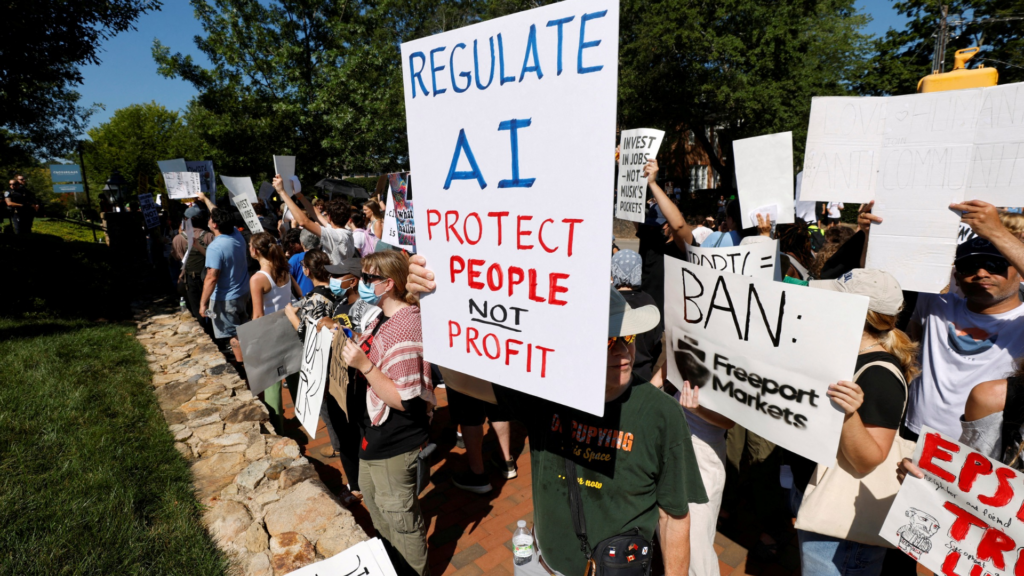
AI is the biggest reallocation of capital in a generation. Here’s why that should concern all of us
AI has led to a fundamental restructuring of economic power, raising questions that may…
Read More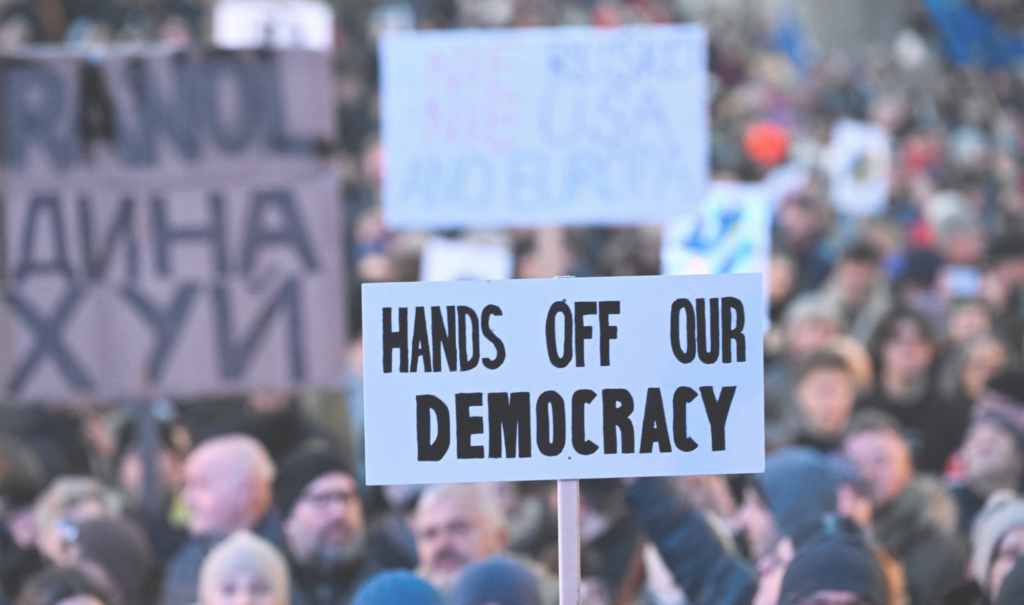
Three converging pressures facing civil society – and what it will take to respond
What civil society organisations in our TrustLaw network are telling us…
Read More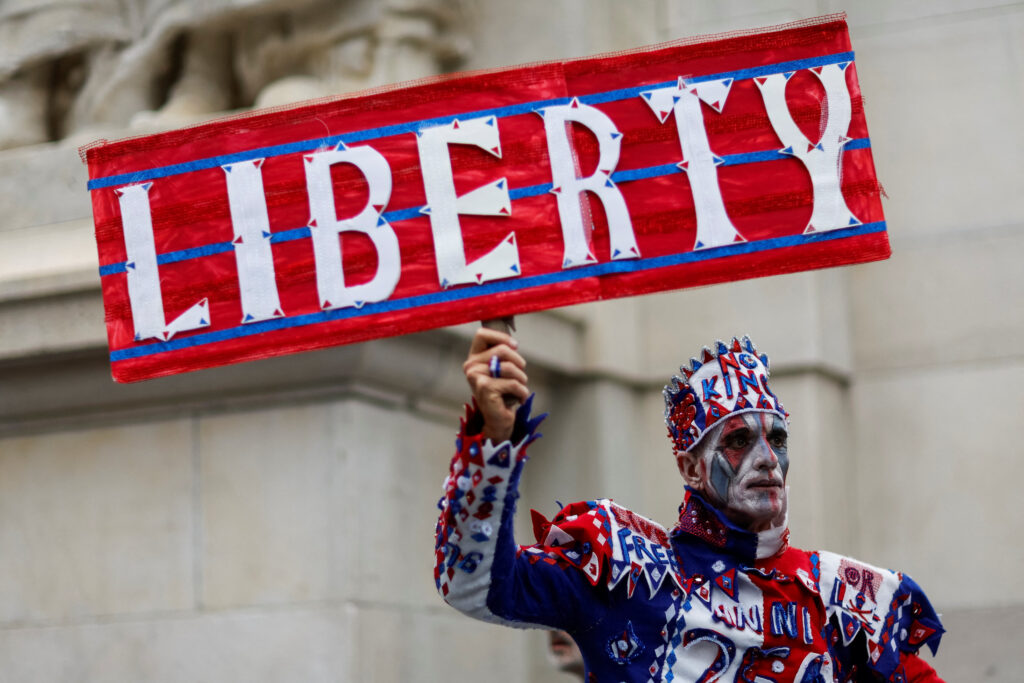
Democracy is in retreat. Here’s why that should alarm us all
Three powerful and interconnected…
Read More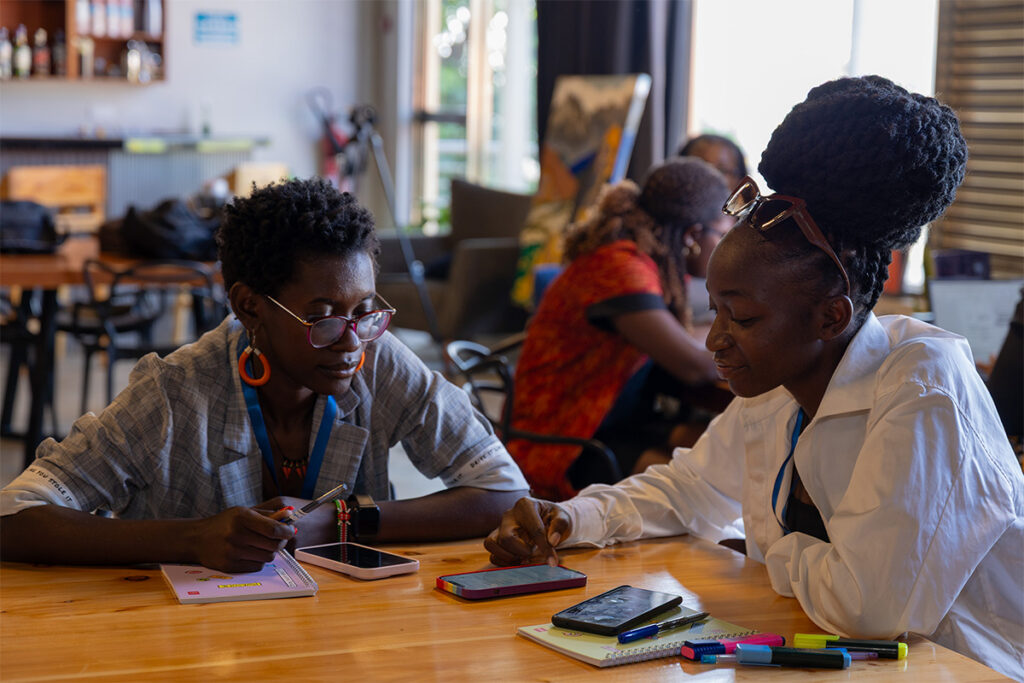
Collaboration between reporters and content creators is essential for defending informatifon integrity
At workshops in Kenya, the Thomson Reuters Foundation saw what true co-operation between…
Read More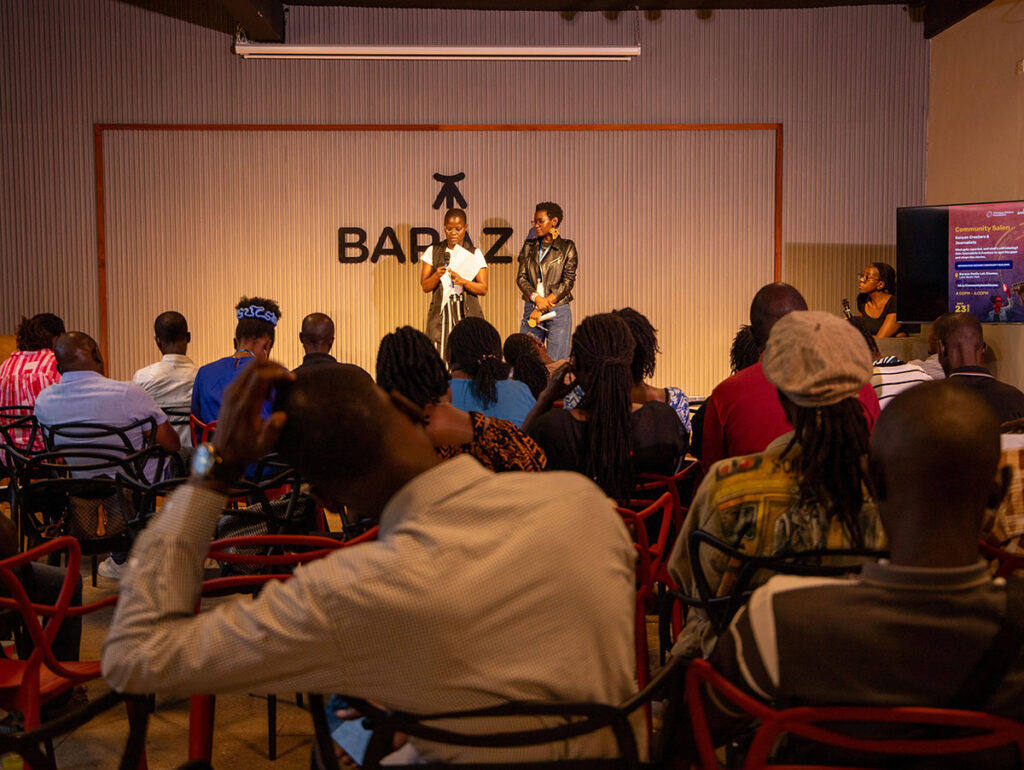
“I had a love-hate relationship with journalists…”
A journalist and a content…
Read More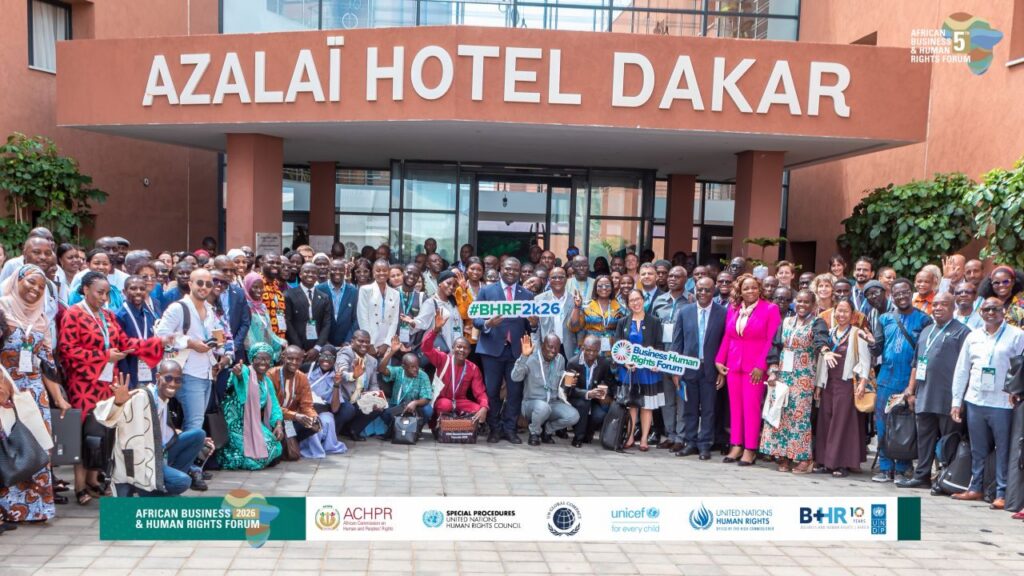
Working behind the scenes: Reflections from the 5th African Business and Human Rights Forum
A behind-the-scenes view of 5th African Business and Human Rights Forum -…
Read More
World News Day: every $1 invested in journalism can return $100 to society. So why are we letting it collapse?
Defending journalism is not just a moral responsibility. It’s an economic and democratic…
Read More
AI legislation is important in upholding universal human rights
Our Director of Responsible Business,…
Read More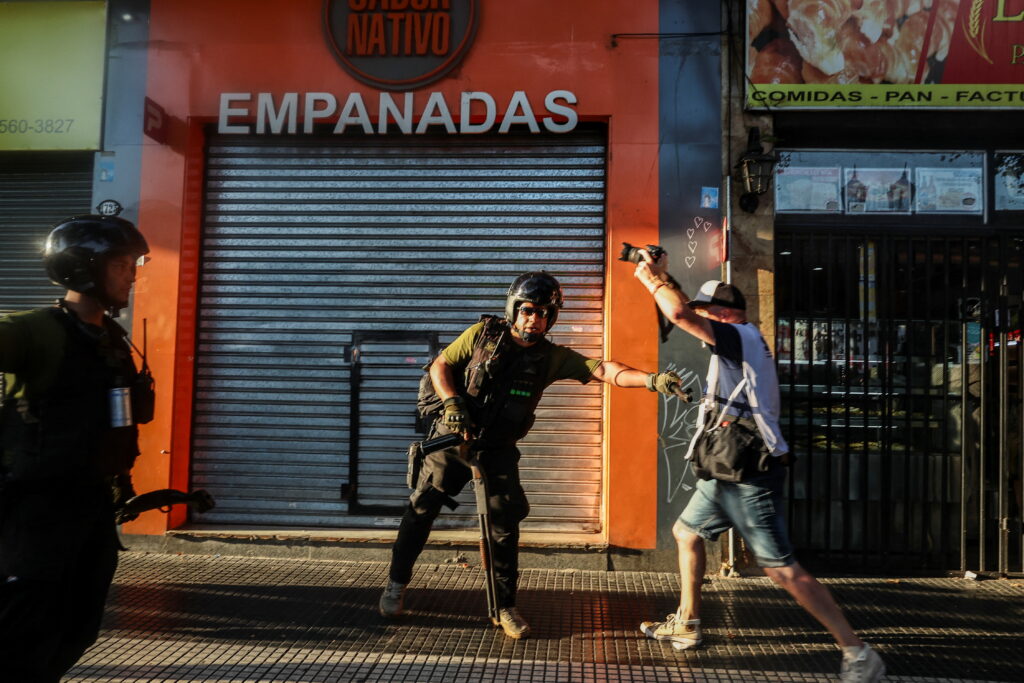
How civil society can counter the rise of legal restrictions across Latin America
New…
Read More
Legal support: a lifeline for civil society and democracy
How democracies become stronger when civil society…
Read More

