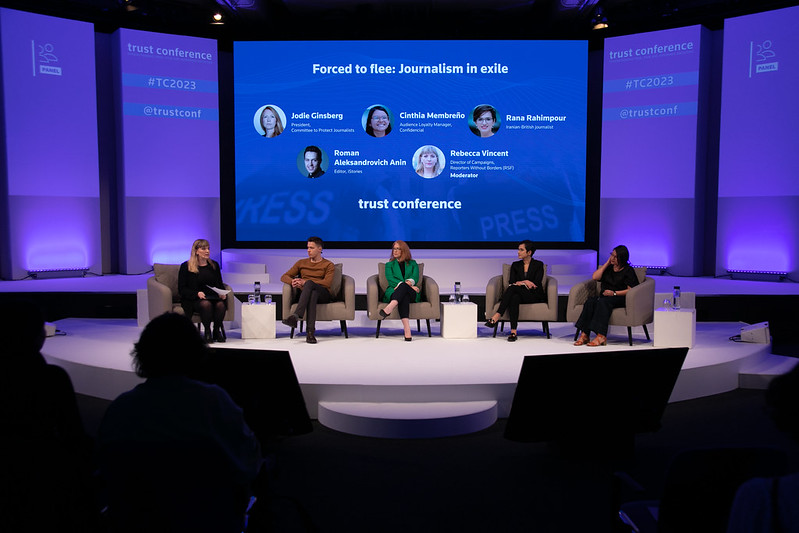


We work to bolster the resilience of independent media, strengthen access to the law and promote responsible business practices.

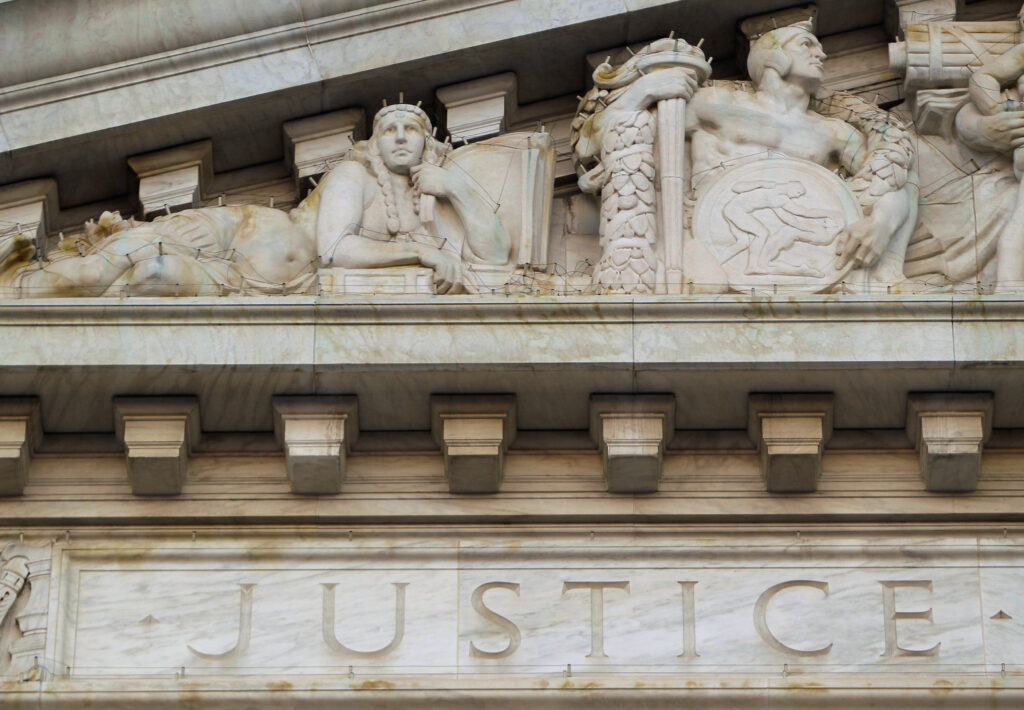

Our approach
We leverage our unique combination of media and legal expertise, together with data intelligence, to inform, connect, and empower professionals and civil society to strengthen free, fair and informed societies. We deliver our work through capacity-building programmes, legal support, events, research, news and data-driven products.
Our research
April 2026
From intent to impact: Our latest Workforce Disclosure Initiative report
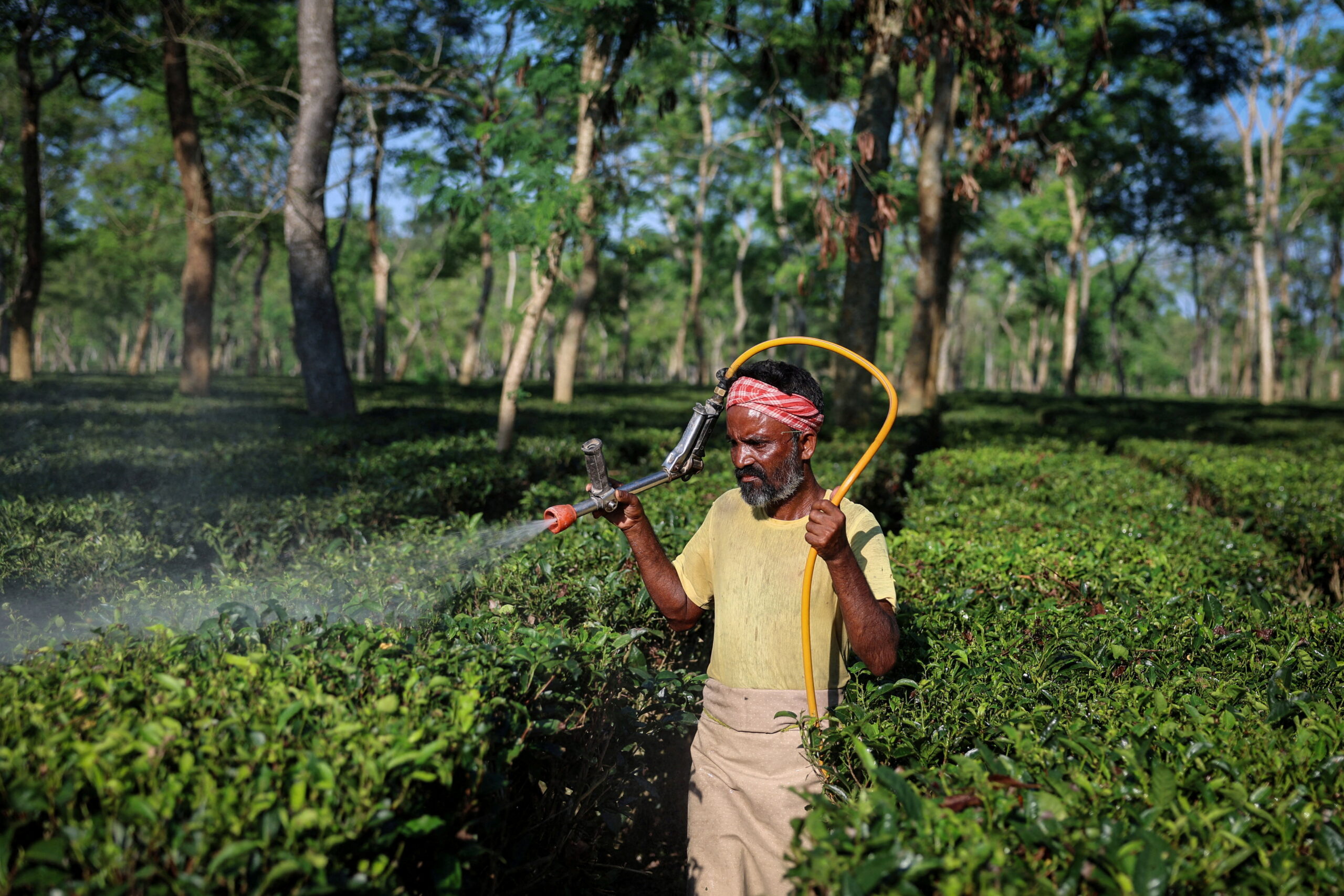
With millions of workers in their operations and supply chains, multinational companies are critical to driving responsible business practices worldwide.
For ten years, the Workforce Disclosure Initiative (WDI) has supported companies and investors alike to improve transparency and accountability around workforce issues and in supply chains.
Read our global workforce findings from the 2025 WDI dataset, analysing public disclosure from almost 3,000 companies.
Our newsletter
Keep up to date
Subscribe to our monthly newsletter for the latest updates on our work to strengthen independent media, promote responsible business, and enable access to the law.
Plus, be the first to hear about new reports, insights, and job openings.
Our annual event
4-5 Nov, 2026
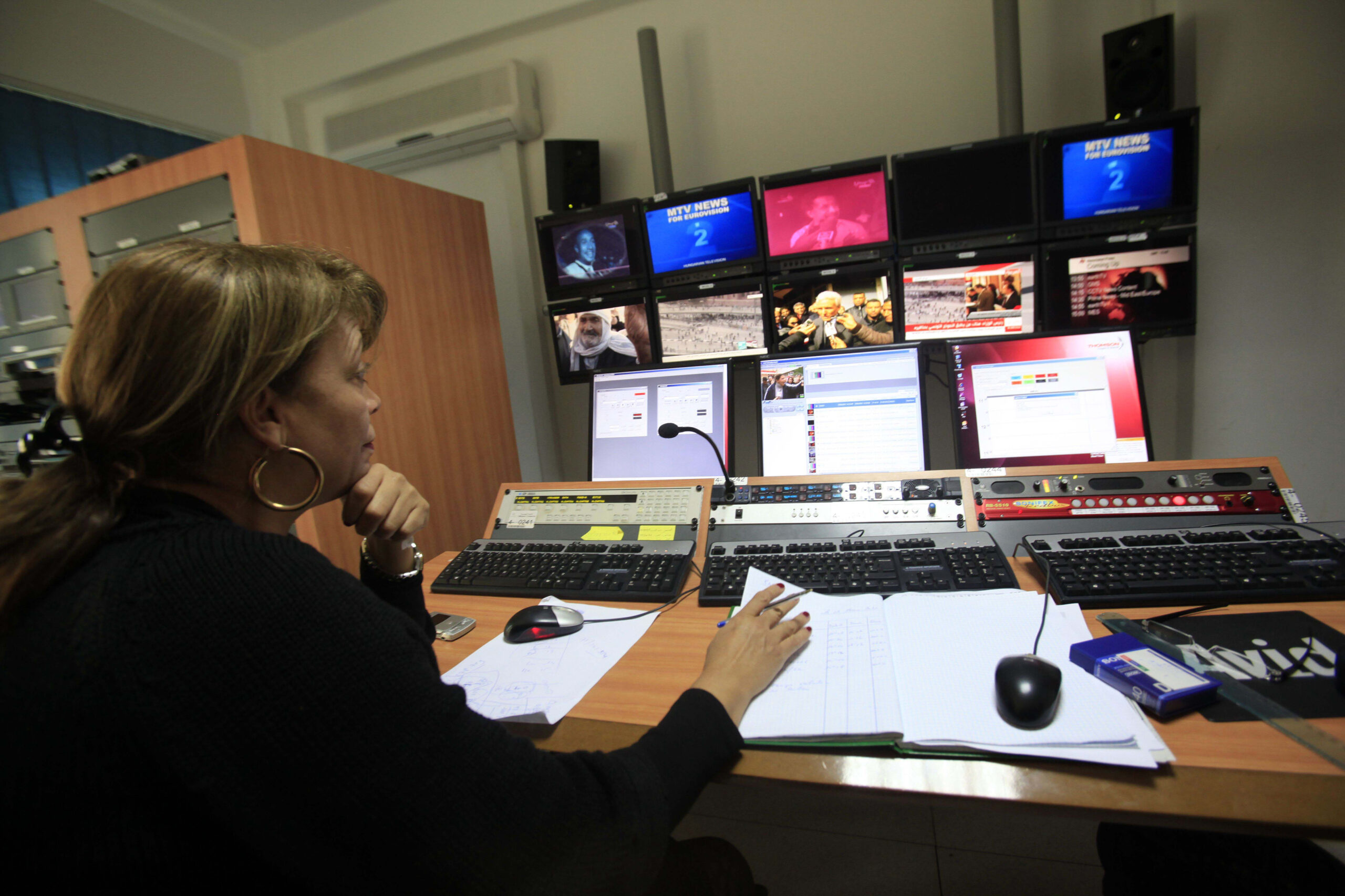
Trust Conference
Trust Conference is our flagship annual forum dedicated to tackling critical and intersecting global issues.
This year, we explored how to build democratic resilience amid surging autocratisation, escalating clampdowns on civic space, and ruthless legal attacks.