



The last few years were particularly challenging for each and every person around the world. And it was no different for lawyers. From health to hunger, the hardships opened up new avenues for law practices in Brazil and considerably increased the relevance of philanthropy, including through pro bono.
Initiatives such as Unidos pela Vacina stood out in 2021, having engaged more than 4,500 volunteers and 470 donors to raise 56 million Brazilian reais to deliver more than 2 million items for nearly every municipality in Brazil for the Covid-19 vaccination campaign. Three of the biggest law firms united to provide legal assistance for the project, showing that there is no competition in the sector when it comes to overcoming the crisis of the century.
Strategic litigation for public interest was also a recent watershed in pro bono practices in Brazil. From their homes or offices, lawyers have dedicated hundreds of hours to study possible strategies, prepare central arguments and represent NGOs in lawsuits that are often part of a bigger advocacy campaign. Public policies and rights of minorities (LGBTI, people with disabilities, Afro-descendants, women, among others) are two of the most common topics.
In this respect, it is worth highlighting a lawsuit discussing the constitutionality of Decree 10,502, which is considered a setback for the right for an inclusive education, encompassing both people with and without disabilities. Dozens of NGOs participated as amici curiae, or ‘friend of the court’, presenting different arguments and perspectives on the importance of this right. Furthermore, such NGOs and law practitioners formed the Brazilian Coalition for an Inclusive Education.
But recent years have not been entirely positive.
With regulation that only goes back to 2015, pro bono practices are still in their infancy in Brazil. The pandemic made things tough for law firms that were initiating such work but imposed major obstacles for those that were already up and running. For instance, all in person active projects had to be suspended, including TozziniFreire’s legal joint effort at the favela (slum) of Heliópolis, an initiative that provided over 400 pieces of legal advice from about 140 volunteers (15% of the firm’s legal practitioners) in 2019.
Pro bono coordinators have faced multiple challenges. With two years of isolation, coordinators were prevented from physically identifying which lawyers and teams were overburdened and which had the time to go the extra mile for a major pro bono project. They also missed out natural interactions with new members, making it more difficult to know who was spontaneously willing to engage. Despite such setbacks, several law firms demonstrated record levels of pro bono engagement, multiplying the dedicated hours and professionals working on the issue proportionally to increased public awareness of pro bono. At our office, besides the pro bono corporate governance that had already been institutionalised, three new positions were opened for the pro bono team and all previous records were broken.
Brazil is gradually becoming a fertile landscape for pro bono projects that aim to have major impact. However, there is still a long way for pro bono to become embedded in the routine and culture of the legal practice in the country, bringing lawyers and civil society closer and closer together in order to make a positive impact.


More Impact Stories
View All Impact Stories
Securing protections for marine protected areas in Europe
Pro bono legal research by Hogan Lovells…
Read More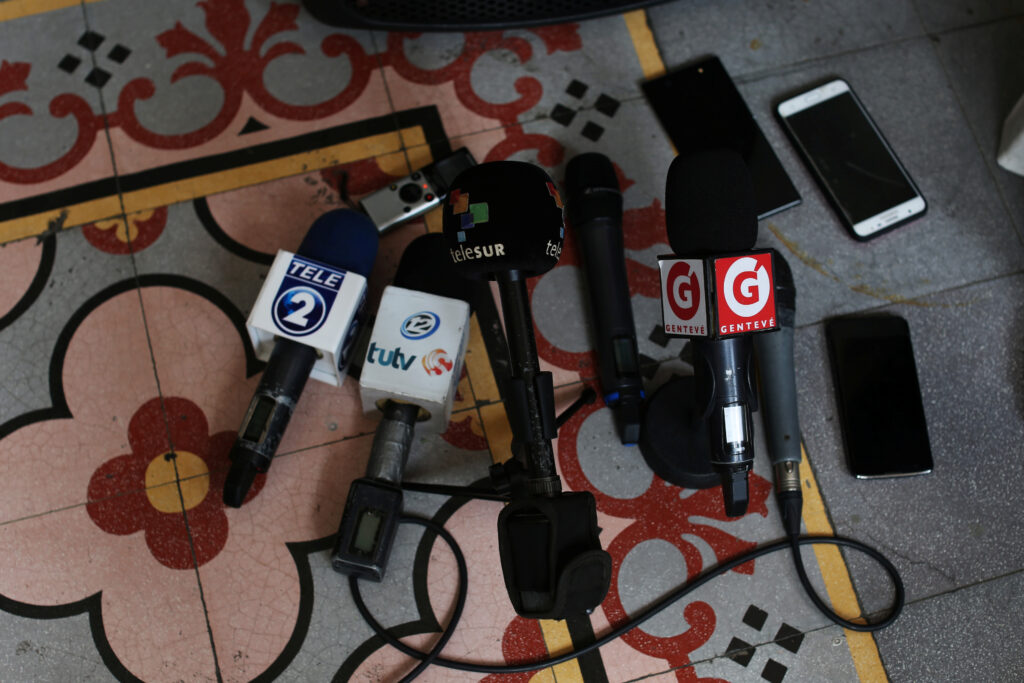
Protecting independent media under legal threat in El Salvador
SembraMedia used pro bono legal advice…
Read More
Improving access to philanthropic giving across Asia
Pro bono support provided by Dechert LLP helped AVPN…
Read More
Pro bono as a force for good: An interview with Cynthia Mudaye
Cynthia Mudaye from Mudaye & Co….
Read More
How in-house counsel is shaping the future of pro bono
Representatives from MSD explore how to strengthen the…
Read MoreBuilding the pro bono infrastructure needed across East Africa
Cathy Mputhia, CEO of C. Mputhia…
Read More5 tips to building a robust pro bono programme
Katie Marquart, Partner and Pro Bono Chair at Gibson Dunn, shares…
Read More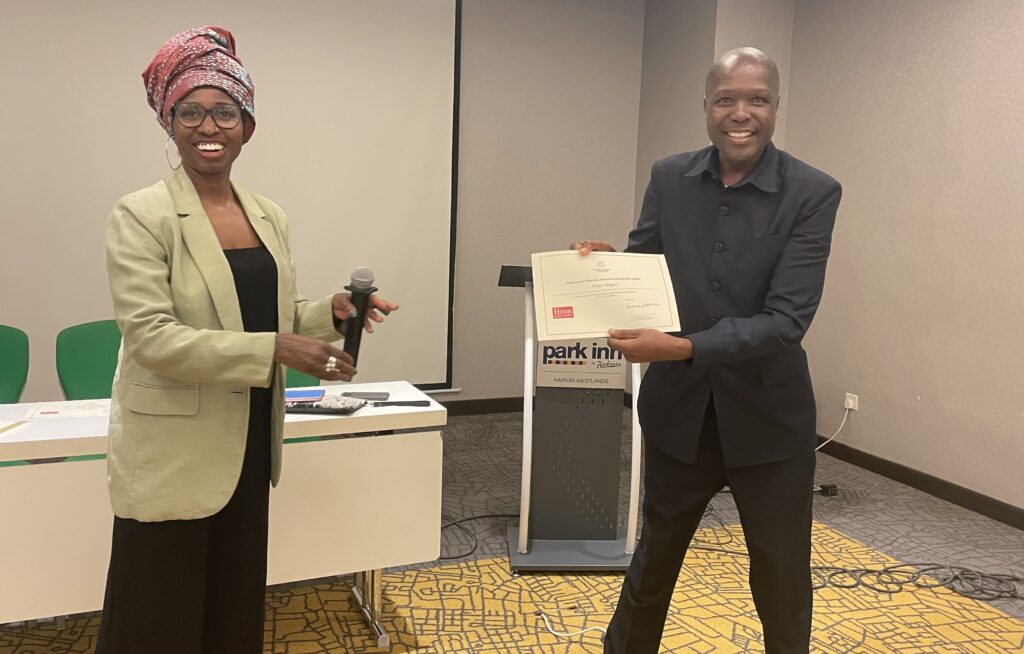
Reporting with empathy: one journalist’s journey to allyship
Discover how training from the…
Read More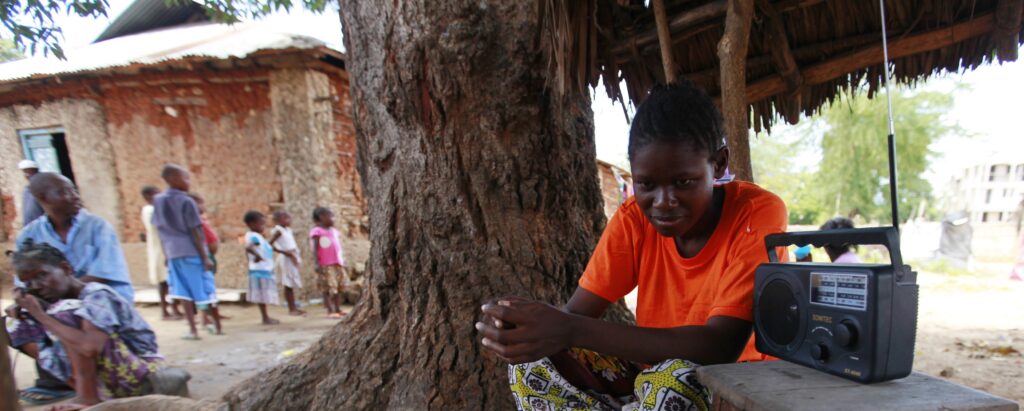
Shielding community journalism: How pro bono legal expertise broke the cycle of self-censorship for one Kenyan radio station
How pro bono legal support helped Kenyan radio station Radio Domus update editorial policies, ending…
Read More
Combatting international corruption: The pro bono research behind the landmark Foreign Extortion Prevention Act
Discover how pro bono legal expertise has created truly impactful tools for fighting corruption.
Read More

