


To celebrate Cynthia Mudaye’s (Mudaye & Co. Advocates) Lawyer of the Year Award win, as part of the 2026 TrustLaw Awards, we caught up with her to find out more about what drew her to pro bono work.
1. What first drew you to pro bono work?
My commitment to pro bono work began at the start of my legal career some 15 years back at FIDA-Kenya, Kenya’s premier women’s rights organization. There, I witnessed firsthand how a lack of financial resources can deny people access to justice and meaningful legal representation.
That experience left a lasting impression on me. I made a personal commitment that, throughout my career, I would always give back to the community by offering legal education and awareness, legal aid, and pro bono services to those who would otherwise struggle to access them. I believe that justice should never depend solely on one’s ability to pay.
2. Why did you undertake the pro bono case for which Save the Pastoralists Kenya (STP) nominated you for the Lawyer of the Year Award?
I was motivated by the holistic approach of the work that STP does in advancing sustainable pastoralist development work in some of the marginalised communities in Kenya. The case aligned closely with my values and my professional expertise in law and corporate governance.
It gave me an opportunity to use my skills and knowledge to support STP in creating lasting, systematic impact. That is what pro bono work means to me: leveraging my legal expertise to advance justice, strengthen institutions and expand opportunities for a demographic that is often left behind.
3. What made this pro bono case successful and meaningful?
It was built on a strong and collaborative relationship. The organisation had a clear understanding of its objectives and communicated its needs effectively from the outset.
Equally important, it was receptive to legal advice and open to feedback throughout the process. That clarity, openness and consistent communication enabled us to work efficiently, address issues as they arose, and achieve the desired outcome. It reinforced my belief that the best legal outcomes are often the product of a genuine partnership between advocate and client.
Our role also extended beyond legal compliance. By strengthening the organisation’s legal framework, governance structures, and core policy documentation, we helped position it for long term sustainability. For a social impact organisation, sound legal and corporate governance are not administrative formalities; they are strategic assets. They inspire donor confidence, strengthen accountability, reduce institutional risk, and create the credibility needed to attract funding, build partnerships, and scale impact.
This experience affirmed that some of the most impactful legal work happens behind the scenes, enabling clients to focus on their core mandate, attract funding, build strategic partnerships and creating lasting change in the communities that need it the most.
4. How does pro bono work strengthen lawyers and legal teams professionally?
Because pro bono takes us back to the fundamental purpose of the legal profession – ensuring that justice is accessible to all, not just those who can afford it. Professionally, it offers an excellent opportunity to explore new practice areas, refine existing expertise, and gain hands-on experience with complex issues.
For younger lawyers, it can accelerate professional growth by providing meaningful responsibility and exposure to diverse matters. For teams, pro bono work fosters collaboration, strengthens relationships and creates a sense of purpose that enhances team culture away from the competing interests of billable hours and promotions.
Ultimately, it is a reminder that the law is a social catalyst; a force for justice, equality, and lasting change. In the demands of commercial practice, it is easy to lose sight of the law’s core mission and pro bono work restores that. It also shapes lawyers into more thoughtful, compassionate, and effective professionals, thus strengthening both the legal profession and the society we serve.
5. What has being part of the TrustLaw network helped you to achieve?
Being part of the Trust Law network has enabled me to use my expertise where it can have the greatest impact. It has connected me with amazing social change organisations that might otherwise struggle to access high quality legal support, allowing me to contribute to work that advances human rights, strengthens institutions, and serves marginalised communities.
To lawyers considering pro bono work, I would say: Start. Not all pro bono work involves litigation or advocacy. TrustLaw is evidence that even corporate-commercial lawyers can give back in an impactful manner. Pro bono work will challenge you, change you and reconnect you with the true essence of the profession.
Get engaged
To find vetted pro bono opportunities and support civil society organisations worldwide, log in to the TrustLaw portal.


More Impact Stories
View All Impact Stories
Securing protections for marine protected areas in Europe
Pro bono legal research by Hogan Lovells Cadwalader helped the Environmental Justice Foundation expose failures to enforce marine protection laws across Europe.
Read More
Protecting independent media under legal threat in El Salvador
SembraMedia used pro bono legal advice from Consortium Legal; BLP and Sánchez-Labrador & López Martínez (SLLM) to train over 25 newsrooms in El Salvador on Foreign Agent Laws.
Read More
Improving access to philanthropic giving across Asia
Pro bono support provided by Dechert LLP helped AVPN establish the legal foundations for ImpactCollab, connecting donors with over 800 verified organisations across Asia.
Read More
How in-house counsel is shaping the future of pro bono
Representatives from MSD explore how to strengthen the contributions of corporate legal teams to the pro bono ecosystem.
Read MoreBuilding the pro bono infrastructure needed across East Africa
Cathy Mputhia, CEO of C. Mputhia Advocates, discusses how the Kenyan and East African pro bono landscape can shift from a voluntary practice to a professional expectation.
Read More5 tips to building a robust pro bono programme
Katie Marquart, Partner and Pro Bono Chair at Gibson Dunn, shares five tips on building and maintaining an effective pro bono programme.
Read More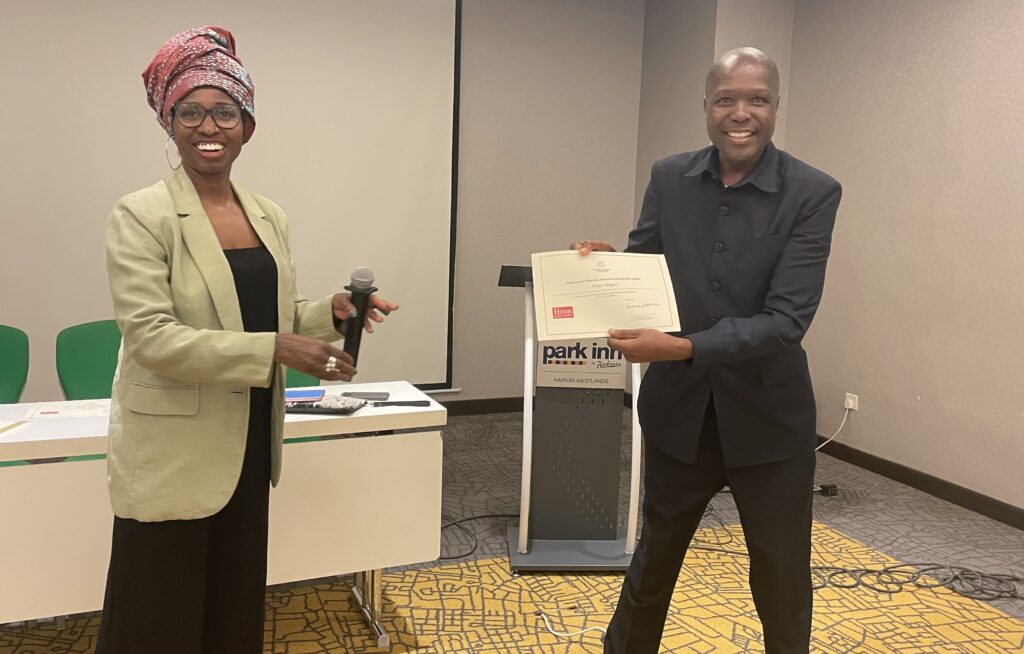
Reporting with empathy: one journalist’s journey to allyship
Discover how training from the Thomson Reuters Foundation shifted Peter Ongera’s perspective on reporting on LGBTQ+ issues.
Read More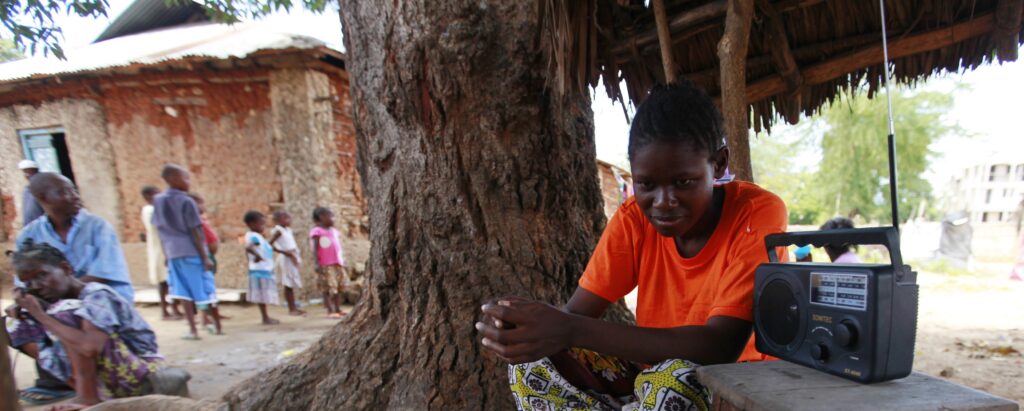
Shielding community journalism: How pro bono legal expertise broke the cycle of self-censorship for one Kenyan radio station
How pro bono legal support helped Kenyan radio station Radio Domus update…
Read More
Combatting international corruption: The pro bono research behind the landmark Foreign Extortion Prevention Act
Discover how pro bono legal expertise has created truly impactful tools for fighting corruption.
Read More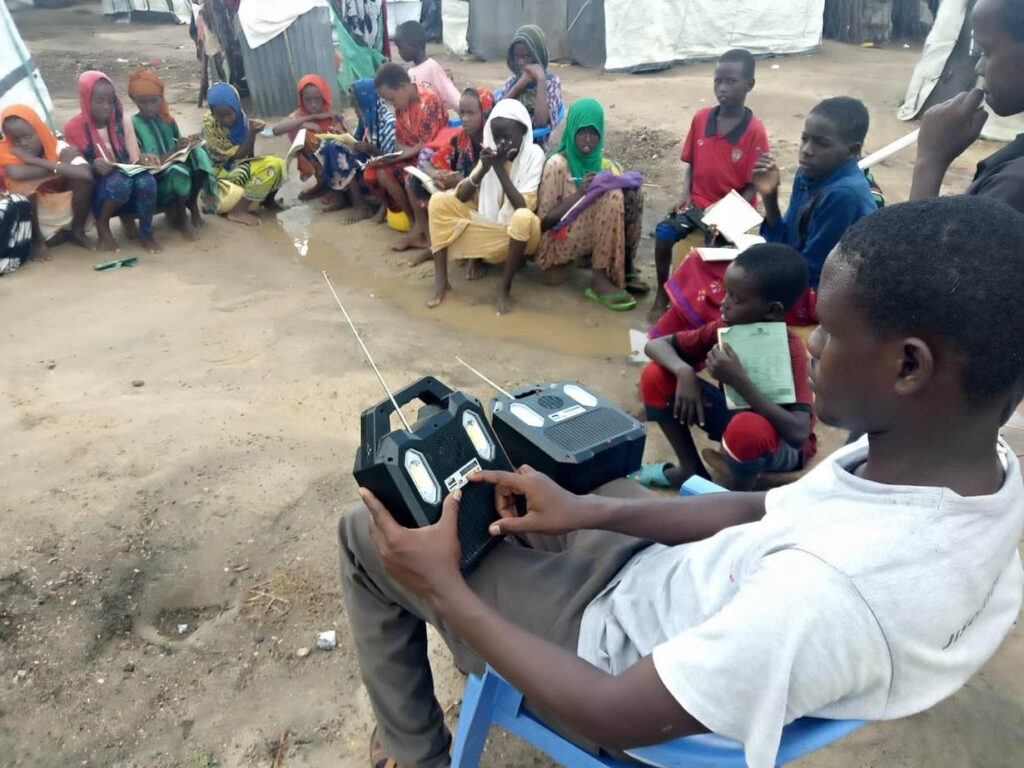
The value of pro bono: Radio Domus
Radio Domus FM is a non-profit youth-centric, 24-hour community radio station in Kajiado and Nairobi, Kenya.
Read More

