


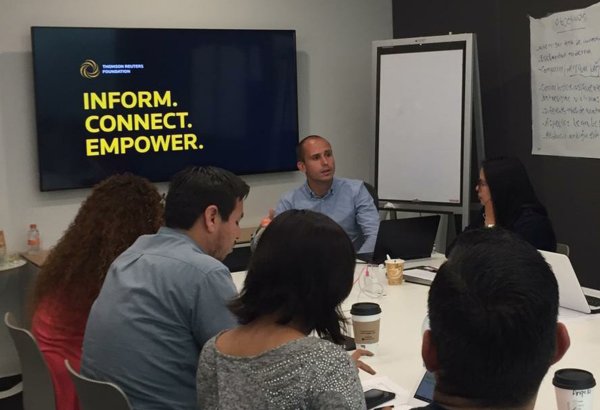
A group of 14 journalists from across Mexico took part in a five-day workshop in the capital in July on how to report on human trafficking and modern slavery.
The reporters publish in states from the U.S. border down to the southern tip of the country in national newspapers like El Universal, broadcasters such as Grupo Multimedios, regional weeklies like Zeta magazine and many others.
Over the week the classes established basic concepts, Mexico’s legal framework, the data available as well as a multi-day writing exercise to work on sourcing, structure and reporting strategies.
The participants shared their diverse experiences and challenges reporting in Mexico, one of the most dangerous countries in the world for journalists. There were lively debates about the role the media should play in society and how to report sensitively on such a difficult topic.
A series of guest speakers came to share their experiences with the group, including Jan-Albert Hootsen from the Committee to Protect Journalists (CPJ), director of non-profit Anthus Mariana Wenzel and award-winning journalist Nayeli Roldán who shared investigation techniques.
A highlight of the week was a panel discussion – ‘Reporting Sensitively on Human Trafficking in Mexico’ – moderated by Christine Murray, the Thomson Reuters Foundation’s Mexico Trafficking Correspondent, that saw more than 80 guests attend including academics, local journalists, civil society representatives. The discussion featured four high-profile speakers: Mónica Salazar, head of the NGO Dignificando el Trabajo (DITRAC), Mario Luis Fuentes, human trafficking chair at the National Autonomous University of Mexico (UNAM), investigative journalist Alejandra Guillén, and Stephen Birtwistle, manager of the forced and child labor program for the C&A Foundation in Mexico.
On the final day, each journalist presented a story idea related to trafficking, and seven of them will receive a mentor and travel expenses from the Thomson Reuters Foundation to help get the piece published.
The Mexico City course was one of a series on reporting on migration, trafficking and slavery that are being run around the world this year by the Thomson Reuters Foundation in partnership with the C&A Foundation.
There are 8 courses in total throughout in 2019, including in Bangladesh, India, Brazil, Thailand and Britain.
Share


Sign up to our newsletter
More News
View All
New report collates evidence on value of journalism for growth and security
The Thomson…
Read More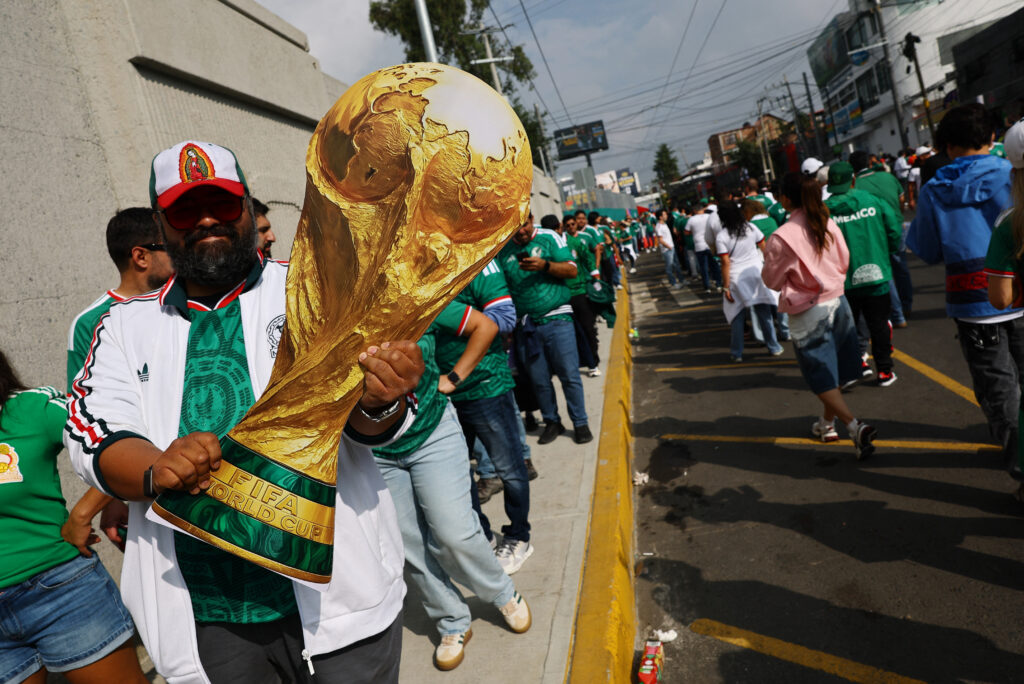
2026 World Cup: Using football’s global reach to advance human rights
With the 2026 FIFA…
Read More
Our response to cancellation of RightsCon
The cancellation of RightsCon is live evidence of an escalating crackdown on…
Read More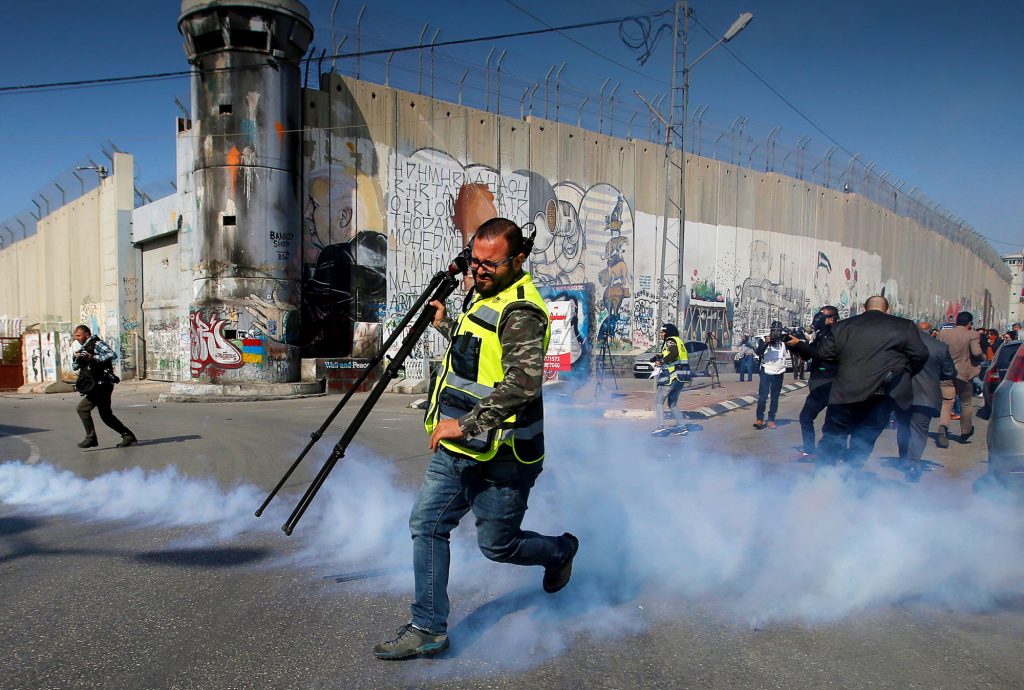
World Press Freedom Day: Journalism is infrastructure for democratic resilience
Thomson…
Read More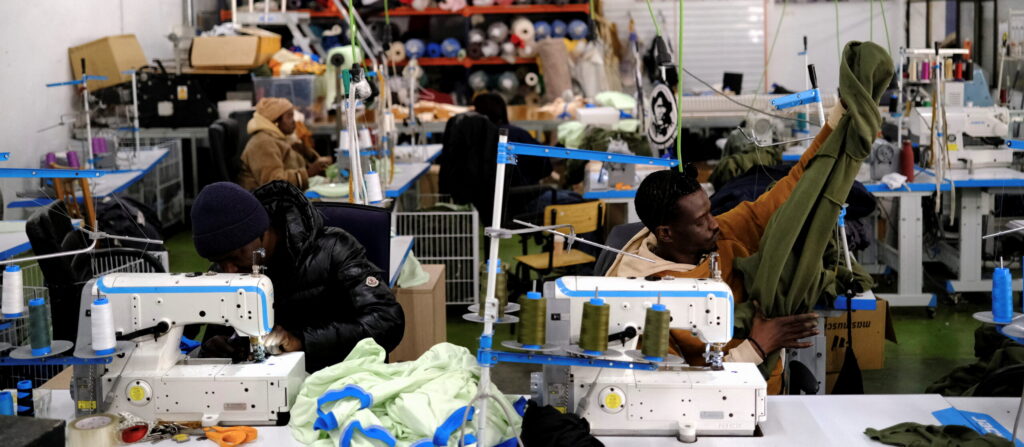
If it’s not measured, it’s not managed: how data can improve working conditions worldwide
Without workforce data, companies can’t manage supply chain risks. Discover…
Read More
Reflections from the 2026 International Journalism Festival in Perugia
From generative AI…
Read More
Responsible AI adoption: What companies should know
As AI becomes embedded across economies and workplaces, the…
Read More
World’s largest dataset shows companies are adopting AI much faster than they are governing it
The Thomson Reuters Foundation has released its findings on the global corporate…
Read More
Perugia International Journalism Festival 2026: Where to find us
This year, we’ll be discussing the…
Read More
Welcoming our new Director of Insights & Innovation, Rebecca Vincent
We are delighted to…
Read More

