


It is 75 years since the Universal Declaration of Human Rights was signed. However, the climate emergency, conflict and the rising cost of living are exacerbating inequalities around the world. According to Oxfam, poverty has increased for the first time in 25 years, and the top 1% have gained 74 times more wealth than the bottom 50% in the last 10 years. These challenges are pushing the most vulnerable communities to the brink.
This year’s Human Rights Day theme of ‘Dignity, Freedom, and Justice for All’ is an urgent call to scale up global efforts to promote and protect human rights worldwide. At the Thomson Reuters Foundation, we aim to strengthen free, fair and informed societies. Here are some of the ways in which the Foundation uses its unique media and legal expertise to advance human rights globally.
Delivering expert-led journalism trainings across the globe

For over 40 years, the Foundation has trained journalists around the world to accurately and impartially report on critical human rights issues. Working with a range of partners, we equip local reporters with the skills to cover underreported stories. Our trainings are underpinned by practical legal resources such as this suite of Know Your Rights Guides which provide crucial guidance on defamation laws increasingly used to stifle independent journalism.
Since 2019, we have partnered with the Global Fund on the ‘Breaking down Barriers’ initiative which focuses on addressing human rights challenges faced by marginalised groups such as LGBTQ+ people when accessing essential healthcare services for HIV/AIDS, malaria and TB. As part of this collaboration, we recently delivered training to young journalists and activists from across the globe on how to cover these issues.
Producing critical legal research and resources
The Foundation runs the world’s largest pro bono service, TrustLaw, which facilitates access to free legal assistance and resources for NGOs and social enterprises, including those working to combat human rights violations. A key component of this is the development of research on issues such as understanding the rights of undocumented migrant women in Europe and the use of climate legislation as an advocacy tool in Latin America and the Caribbean.
In 2023, TrustLaw facilitated $29 million in expert legal advice for NGOs and social enterprises worldwide, an increase of over $10 million since last year. This remarkable achievement means that over 1,000 organisations received support to build capacity and achieve impact. More impact stories are available here.
Covering underreported stories

Both Context and Openly – the Foundation’s award-winning digital news platforms – report on human-interest stories. Our editorial teams’ in-depth coverage shines a light on human rights abuses around the world and holds power to account. One such investigation revealed the harsh working conditions of employees at Indian tech firm Byju, with workers being made to endure long hours under threat, and the mistreatment of customers. In response to this investigation the National Commission for Protection of Child Rights (NCPCR) issued summons highlighting the company’s malpractices.
Championing the ‘S’ in ESG
Around the world, the roles and responsibilities of businesses are changing, with growing momentum behind the environment, social and governance (ESG). To meet this challenge, the Foundation delivered a first-of-its kind Human Rights Due Diligence training programme to equip financial, legal and sustainability professionals with the skills to understand ESG reporting and the wider ecosystem.
This training was developed in partnership with Human Level, Mazars, and Forum for the Future and builds on the Foundation’s work in this space, which aims to help strengthen responsible business practices and create more resilient supply chains.
Convening ground-breaking events
Every year, the Foundation hosts Trust Conference, our flagship event which brings together world-leading experts, activists and innovators to discuss pressing global issues at the intersection of media freedom, inclusive economies and human rights.
This year’s agenda included human rights discussions – from the impact of generative AI on the labour market to the role of the law in securing climate justice for communities, and the potential impact of new ESG regulations on the rights of vulnerable people across global supply chains.
Upholding human rights is fundamental to the Foundation’s mission to strengthen free, fair and informed societies. This approach in embedded across all our focus areas and services. To learn more about the full spectrum of the Foundation’s work, read our latest annual report and follow our Human Rights Day updates on X and LinkedIn.
Share


Sign up to our newsletter
More News
View All
From competitors to collaborators: How AI training brought two South African newsrooms together
In partnership with Microsoft, we supported four newsrooms in South Africa with…
Read More
How one newsroom built an AI fact-checking tool for Zambia’s Election
In collaboration with…
Read More
AI is the biggest reallocation of capital in a generation. Here’s why that should concern all of us
AI has led to a fundamental restructuring of economic power, raising questions that may…
Read More
Three converging pressures facing civil society – and what it will take to respond
What civil society organisations in our TrustLaw network are telling us…
Read More
Democracy is in retreat. Here’s why that should alarm us all
Three powerful and interconnected…
Read More
Collaboration between reporters and content creators is essential for defending information integrity
At workshops in Kenya, the Thomson Reuters Foundation saw what true co-operation…
Read More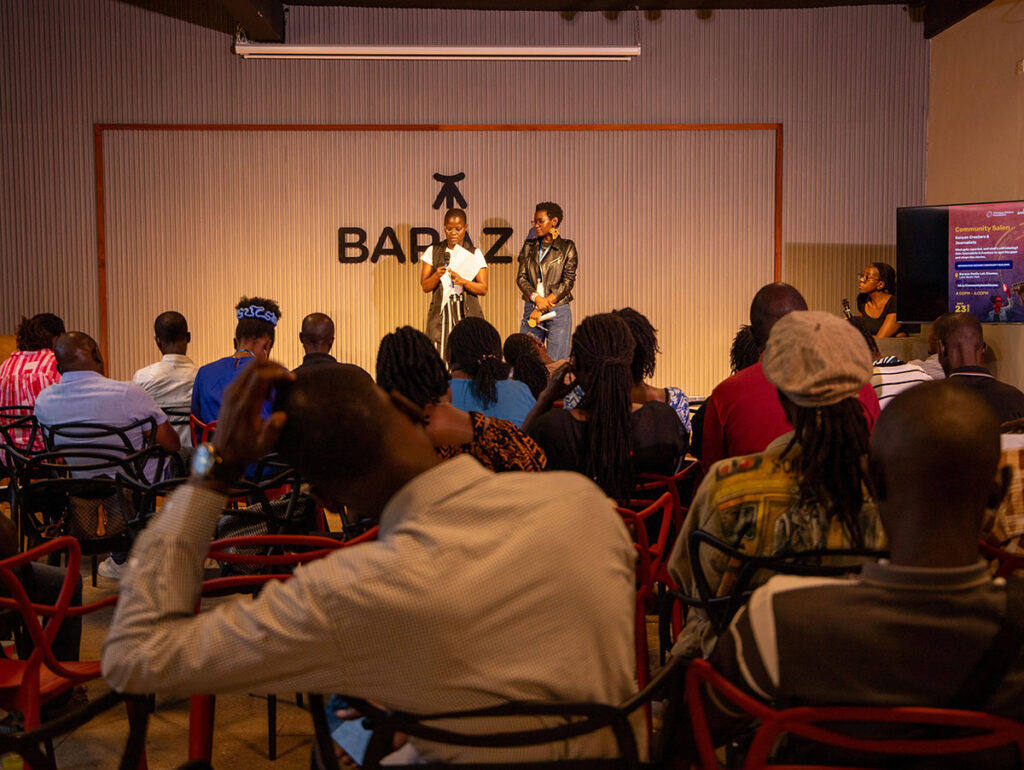
“I had a love-hate relationship with journalists…”
A journalist and a content…
Read More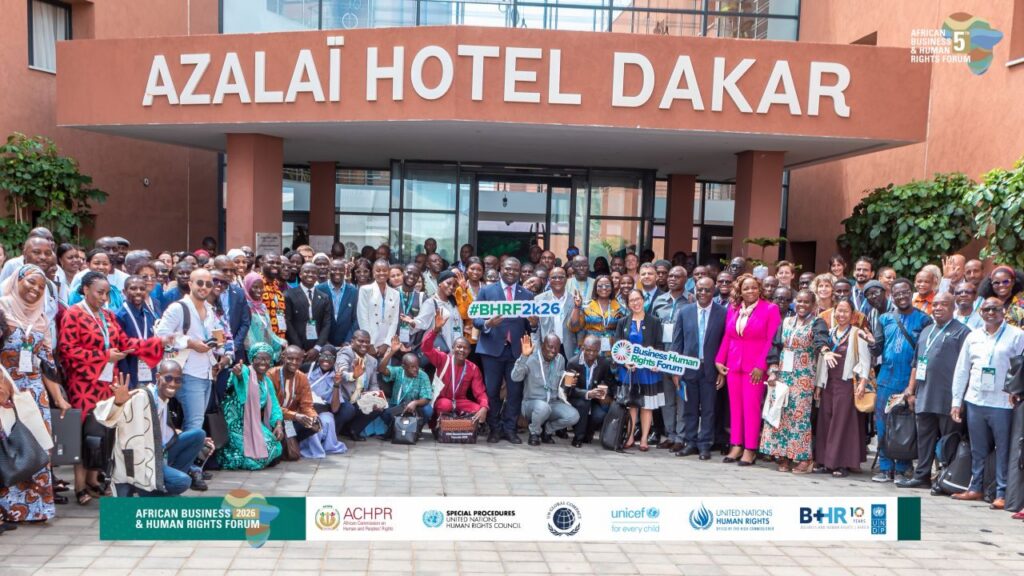
Working behind the scenes: Reflections from the 5th African Business and Human Rights Forum
A behind-the-scenes view of 5th African Business and Human Rights Forum -…
Read More
World News Day: every $1 invested in journalism can return $100 to society. So why are we letting it collapse?
Defending journalism is not just a moral responsibility. It’s an economic and democratic…
Read More
AI legislation is important in upholding universal human rights
Our Director of Responsible Business,…
Read More

