


A group of 15 journalists from countries across Africa – from Ghana to Malawi to Uganda – have completed their first week of training as part of their participation in the Thomson Reuters Foundation’s COVID-19 Crisis Reporting Hub. Addressing the urgent need to facilitate access to accurate and trusted information, the Hub was launched by the Foundation to equip journalists with the core skills and information they need to report on the pandemic and its impact on economies, health care systems and communities.
During the Hub’s first-ever week of training, journalists – many of whom are in lockdown, or only able to report from within their home region – heard from Reuters journalism trainers how the 12-week programme will strengthen core skills, such as health reporting and data visualisation, connect them with key experts and reporters who have been covering the crisis in other countries, and provide guidance on how to stay safe during the pandemic. The participants were also able to share their own experiences from reporting on the frontline during this global health emergency.
As part of the Hub’s series of expert briefings, journalists had the chance to listen to and ask questions of Dr. Zabulon Yoti, the WHO’s Africa Regional Emergency Director. Dr. Yoti emphasised the crucial role of individual journalists and the media in ensuring people have access to accurate information, particularly at a moment in time when millions of lives depend upon it. The participants questioned him about a herbal remedy from Madagascar that has hit the headlines in Africa in recent weeks, and in which several governments have placed their hopes. In response, Dr. Yoti emphasised the need for solid medical research to assess any proposed treatments for their efficacy and potential ill effects, and that this applied to traditional cures in the same way as for any other medicine.
“Since the training started, I have been able to see things in a different light through the eyes of the pool of trainers and guest speakers,” said Temitope Bademosi – a reporter with TVC news, Nigeria – at the end of the first week of training. “I have gained more knowledge on topics relating to COVID-19 and I am applying them in my daily reporting,” she said.
Gideon Sarpong, a health reporter for iWatch Africa and one of the participants in the Hub said, “The Hub is engaging, resourceful, and offers me regular access to key health experts which is vital for me as a reporter during this pandemic. It has already proven to be an important exercise for me as a journalist.”
In the coming weeks, the Hub’s first cohort will learn about topics including countering misinformation and mobile journalism, along with receiving expert briefings from organisations such as the Global Fund and the OECD.
The Thomson Reuters Foundation’s COVID-19 Crisis Reporting Hub is first launching in English-speaking African nations before scaling around the world. To keep up to date with the latest information, visit the Hub’s homepage.
Share


Sign up to our newsletter
More News
View All
AI is the biggest reallocation of capital in a generation. Here’s why that should concern all of us
AI has led to a fundamental restructuring of economic power, raising questions that may…
Read More
Three converging pressures facing civil society – and what it will take to respond
What civil society organisations in our TrustLaw network are telling us…
Read More
Democracy is in retreat. Here’s why that should alarm us all
Three powerful and interconnected…
Read More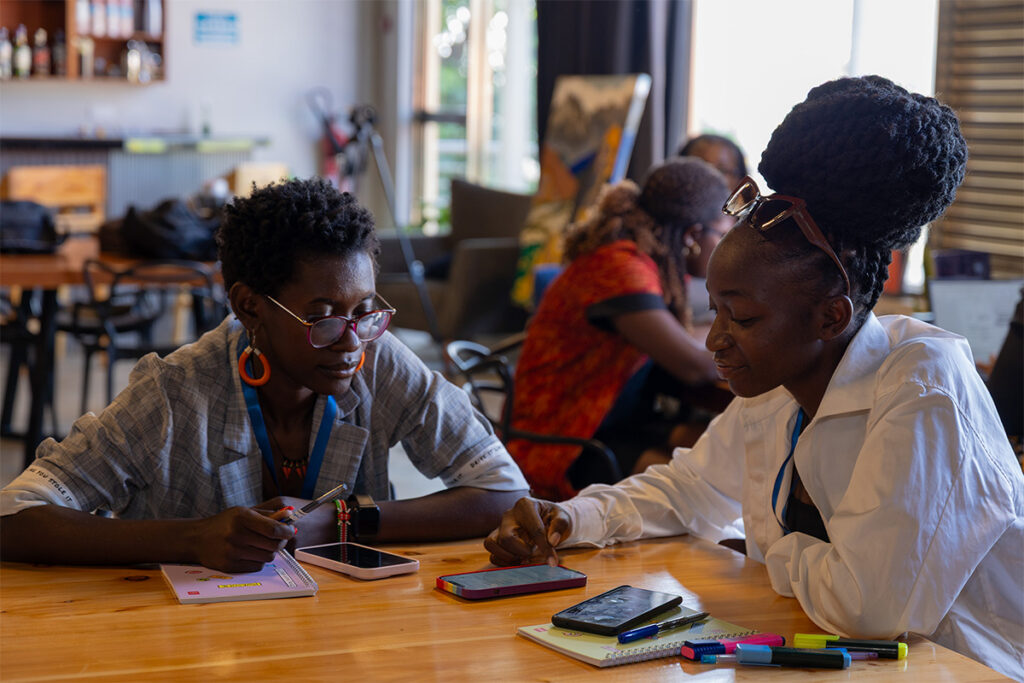
Collaboration between reporters and content creators is essential for defending informatifon integrity
At workshops in Kenya, the Thomson Reuters Foundation saw what true co-operation between…
Read More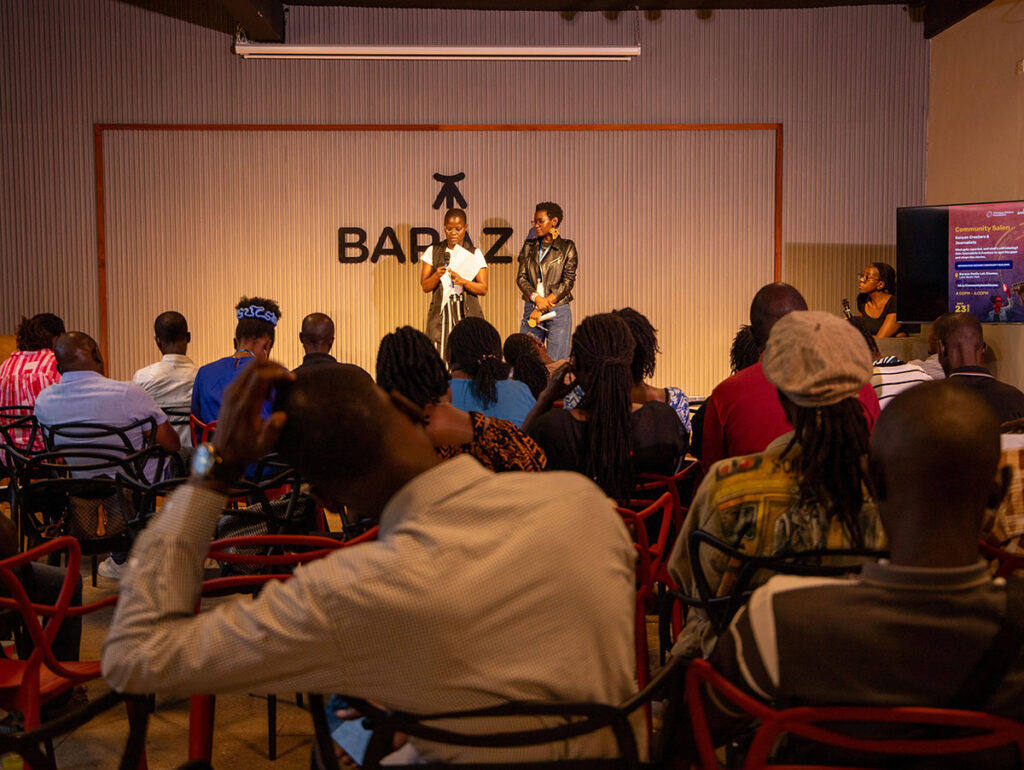
“I had a love-hate relationship with journalists…”
A journalist and a content…
Read More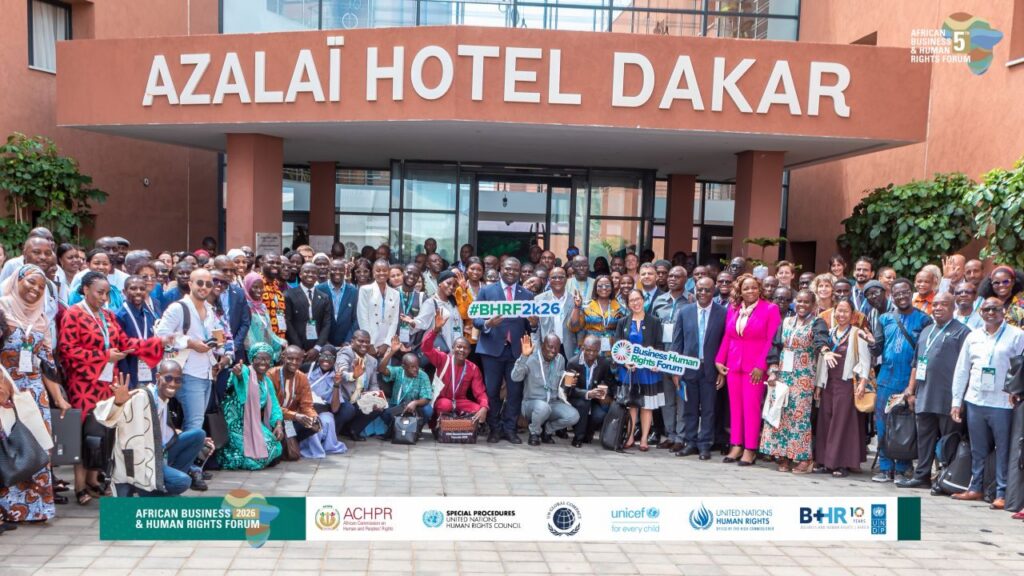
Working behind the scenes: Reflections from the 5th African Business and Human Rights Forum
A behind-the-scenes view of 5th African Business and Human Rights Forum -…
Read More
World News Day: every $1 invested in journalism can return $100 to society. So why are we letting it collapse?
Defending journalism is not just a moral responsibility. It’s an economic and democratic…
Read More
AI legislation is important in upholding universal human rights
Our Director of Responsible Business,…
Read More
How civil society can counter the rise of legal restrictions across Latin America
New…
Read More
Legal support: a lifeline for civil society and democracy
How democracies become stronger when civil society…
Read More

