


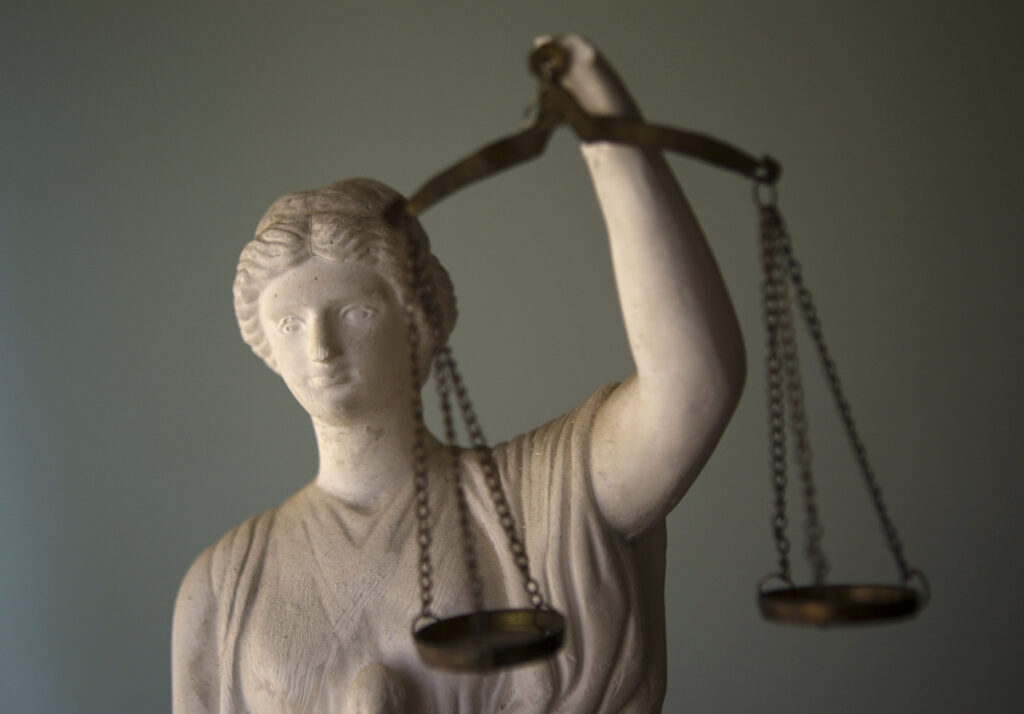
Civil society organisations (CSOs) and independent media are essential pillars of any healthy democracy. They hold institutions accountable, protect human rights and empower citizen participation.
Yet these organisations are facing mounting challenges on multiple fronts. Civic space is shrinking. Restrictive laws are on the rise. Foreign funding is being criminalised or curtailed. Together, these pressures are threatening not only their operations, but their ability to defend the fundamental rights they exist to uphold.
In this environment, legal support has become a powerful tool to strengthen the resilience of civil society actors and protect civic space. It helps organisations navigate stricter regulation, stay compliant and amplify impact. It’s essential infrastructure for a functioning democracy.
The scale of the challenge
Our 2025 Rising Pressure, Rising Needs report, which surveyed nearly 150 CSOs in our global pro bono legal network, TrustLaw, revealed that a convergence of operational, regulatory, political and funding pressures are triggering urgent legal needs: a striking 50% of respondents reported rising legal needs, with 36% citing new or stricter laws as the driver.
Legal support in action
Since 2010, TrustLaw has connected thousands of CSOs, social enterprises and independent media with law firms who provide free legal expertise, to help them navigate these mounting legal challenges.
Recently in El Salvador, we connected SembraMedia with legal experts to deliver practical legal training to independent newsrooms navigating the country’s Foreign Agents Law. For some, this meant learning how to comply safely and reduce the risk of sanctions. For others, it provided a roadmap to continue their journalism from exile.
We see the same underlying challenge play out across the globe – CSOs and media alike needing practical legal tools and expertise to defend civic freedoms.
In the US, legal support helped produce guidelines now used by CSOs nationwide to challenge the rise in book bans across schools and libraries – protecting people’s right to access ideas and information freely.

The pro bono support we received through TrustLaw gave us the legal foundation to create practical tools that communities across the country can use to protect that access. This is what happens when legal expertise meets a shared commitment to defending every child’s right to read.
In the Philippines, legal research equipped LGBTQIA+ groups with an understanding of their legal protections, giving them the confidence to report abuse and pursue justice – building trust that the law protects everyone equally.
Through this initiative, we’ve seen more LGBTQIA+ individuals seek support from our office – something that rarely happened before. Equipped with basic knowledge of their rights, they now come forward to report violations and pursue justice. This reflects a meaningful shift toward empowerment and trust in public institutions.
In Latin America, legal research, conducted by eight law firms in the region for NGO Fundamedios, identified a pattern of emerging regulatory risks across ten countries. Insights such as these are empowering, as they help to shine a light on the drivers shrinking civic space, and can be used to inform advocacy efforts to protect civil society’s role in democratic participation.
Without an independent civil society, democracy cannot survive; it is civil society that holds those in power accountable and defends the right to dissent. This research on laws that restrict civic space reveals how ten countries in the region are using the law to stifle it. At Fundamedios, we will use this research to document, raise awareness, and advocate before it is too late.
Why it matters
When civil society actors thrive, our democracies become stronger. But their resilience and survival increasingly depend on the support and expertise of lawyers, funders and partners.
If you want to find out more about how you can work with us to protect civil society and widen access to legal support, please get in touch. If your organisation is seeking to provide, or request, free legal support, you can join the TrustLaw network.
At this year’s Trust Conference – the Foundation’s flagship event – I’ll be discussing how the law is being used to close civic space. The event runs from 4th – 5th November in London and tickets are free.
Share


Sign up to our newsletter
More News
View All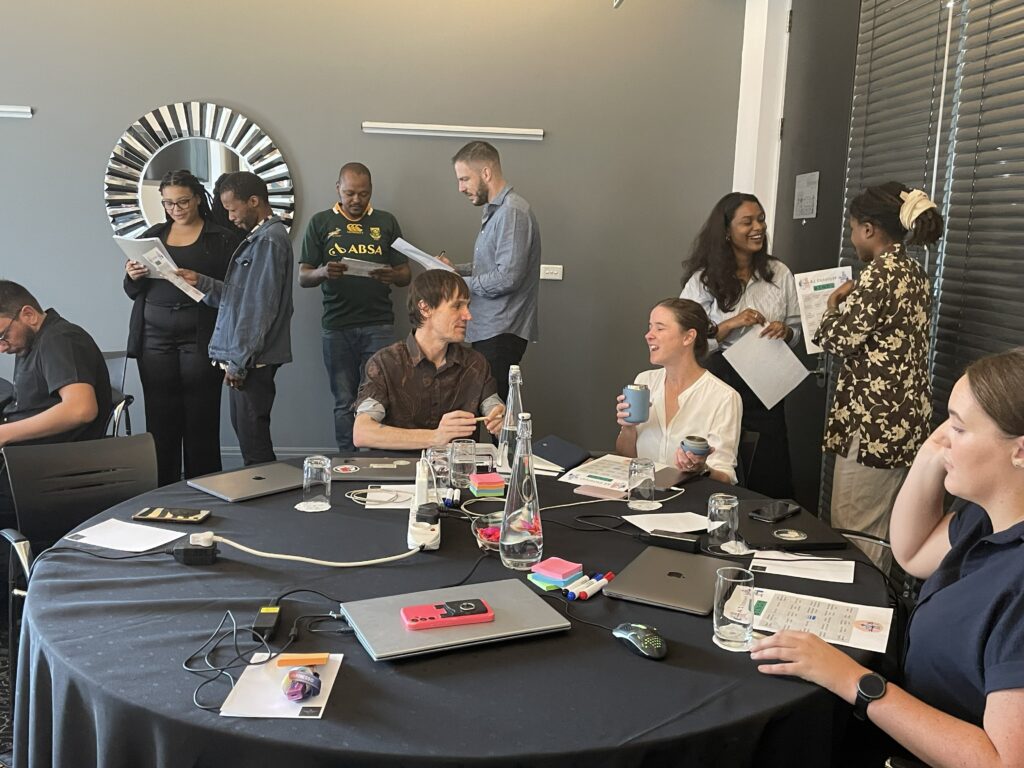
From competitors to collaborators: How AI training brought two South African newsrooms together
In partnership with Microsoft, we supported four newsrooms in South Africa with…
Read More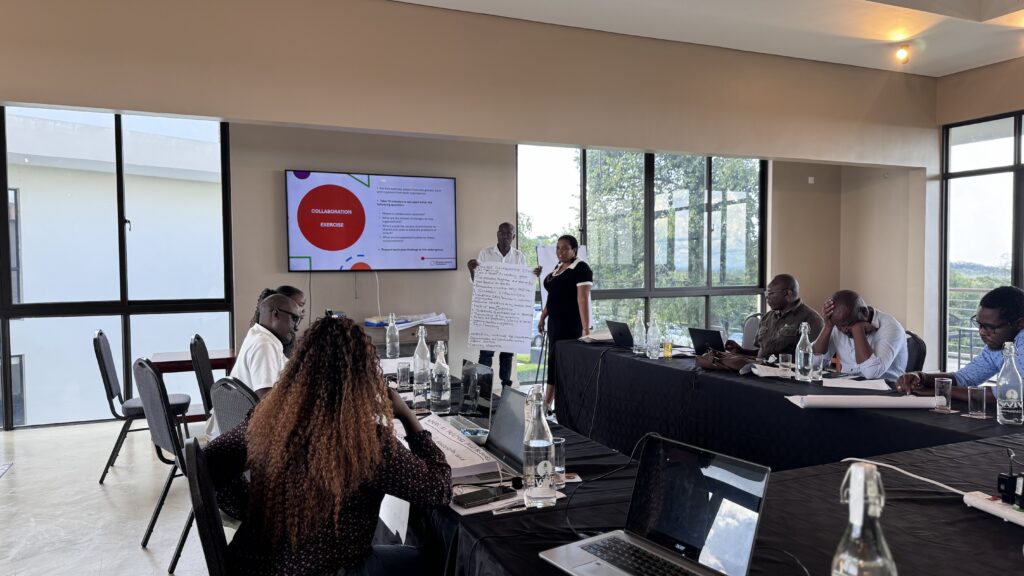
How one newsroom built an AI fact-checking tool for Zambia’s Election
In collaboration with…
Read More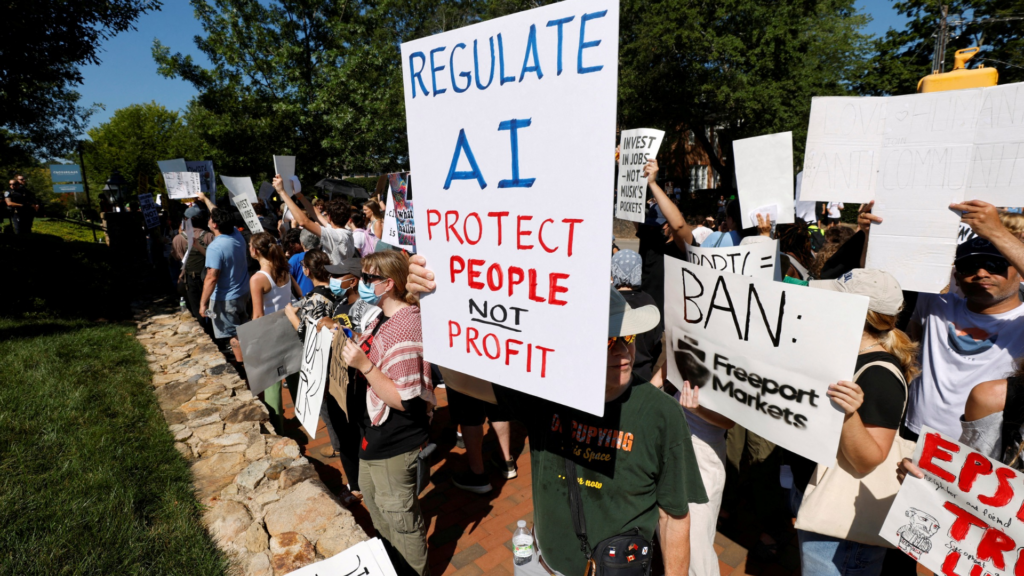
AI is the biggest reallocation of capital in a generation. Here’s why that should concern all of us
AI has led to a fundamental restructuring of economic power, raising questions that may…
Read More
Three converging pressures facing civil society – and what it will take to respond
What civil society organisations in our TrustLaw network are telling us…
Read More
Democracy is in retreat. Here’s why that should alarm us all
Three powerful and interconnected…
Read More
Collaboration between reporters and content creators is essential for defending informatifon integrity
At workshops in Kenya, the Thomson Reuters Foundation saw what true co-operation between…
Read More
“I had a love-hate relationship with journalists…”
A journalist and a content…
Read More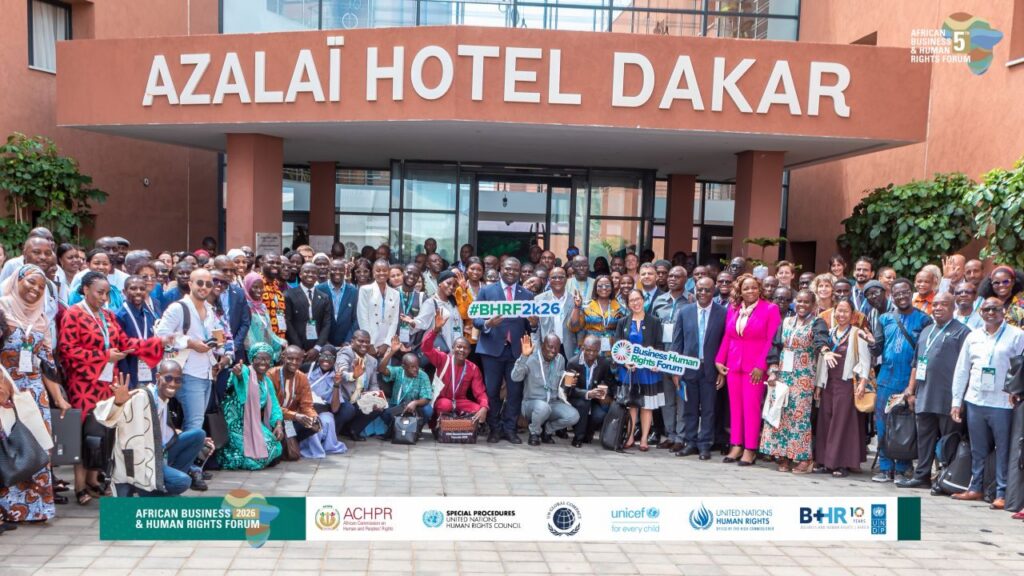
Working behind the scenes: Reflections from the 5th African Business and Human Rights Forum
A behind-the-scenes view of 5th African Business and Human Rights Forum -…
Read More
World News Day: every $1 invested in journalism can return $100 to society. So why are we letting it collapse?
Defending journalism is not just a moral responsibility. It’s an economic and democratic…
Read More
AI legislation is important in upholding universal human rights
Our Director of Responsible Business,…
Read More

