


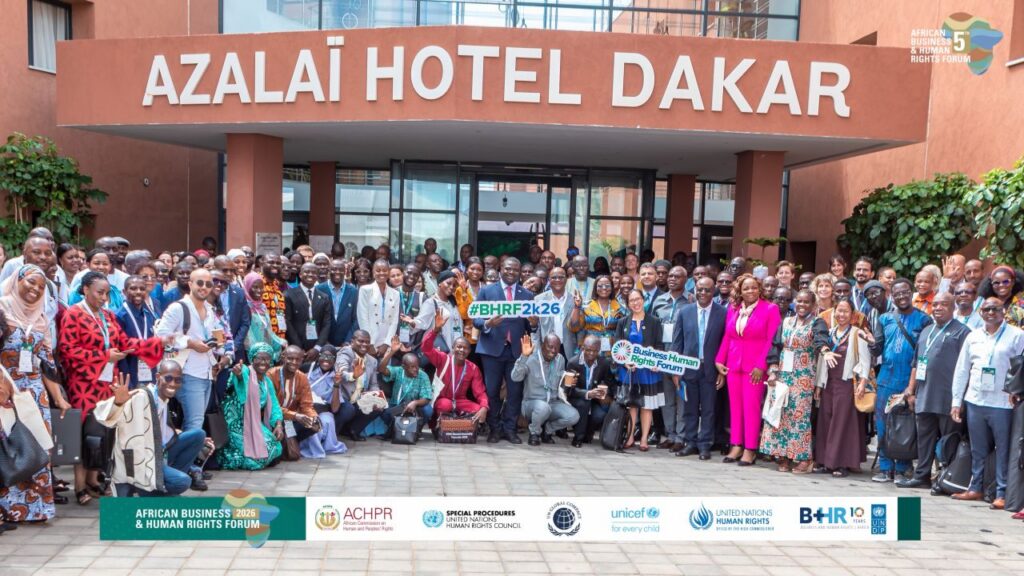
At this year’s African Business and Human Rights Forum in Dakar, the real progress happened in the grey areas.
As I joined over 700 participants – representing every corner of the African continent – at the 5th African Business and Human Rights Forum in Dakar last week, I was struck by the power of individual contributions. The shared sense of purpose in the room enabled risk conversation and a palpable energy to push a movement forward and bring ideals to life.
It is not always about the winning day – the work that happens behind the scenes is equally important.
Progress happens in the grey areas
I had the privilege of moderating a panel session that discussed how human rights due diligence is reshaping business accountability across the African continent. As the panel concluded, what struck me most was the recognition that the real work happens in the grey areas and that process matters beyond the breakthrough.
The grey areas include conversations that don’t make the headlines, connections forged over an informal happening and the slow process of understanding what is needed and by whom. They are the moments when stakeholders discover who their real partners are.
Grey areas are where trust builds, capacity grows and silos break down. This is where we learn and realise the importance of each actor, of the power of participation and representation. Not just of stakeholders, but of rights-holders too.


It is the individual contributions – however overlooked – that push a movement forward and bring ideals to life.
This shift changes everything. It provides an opportunity to co-create key processes and bring communities, coordinators and experts together.
It is harder, messier and takes longer.
The power of collective participation
However, patience matters because it helps the right structures to take root. Since the adoption of UN Guiding Principles 15 years ago, the business and human rights movement has travelled far. The progress is not only due to breakthrough moments, but also to the unglamorous work of process. It is the collective participation of each actor that shows up and trusts that their invisible contribution matters.
We see the momentum today with the development of National Action Plans, emergence of mandatory Human Rights Due Diligence (HRDD) legislation across geographies and the gains of the business and human rights movement. These are not sudden breakthroughs. They are the natural outcome of patient, deliberate work in those grey areas.
As we move forward with the conversations that took place at the 5th African Business and Human Rights Forum, I am reminded to continue convening spaces, amplifying rights-holder voices, supporting responses to HRDD frameworks, and remaining present as implementation challenges emerge.
Our role in this work
This is where the Thomson Reuters Foundation’s contribution becomes critical. We create intentional spaces to navigate the grey area and provide tailored tools for identifying and navigating problems faced by businesses and communities alike. We do this because this -often unseen- investment can produce the outcomes we aim for only through a sustained engagement and practical tools like our tailored trainings and Workforce Due Diligence Tool, that identifies needs and builds capacities.
That is exactly what pushes the movement forward and brings the ideal to life.
Share


Sign up to our newsletter
More News
View All
World News Day: every $1 invested in journalism can return $100 to society. So why are we letting it collapse?
Defending journalism is not just a moral responsibility. It’s an economic and democratic…
Read More
AI legislation is important in upholding universal human rights
Our Director of Responsible Business,…
Read More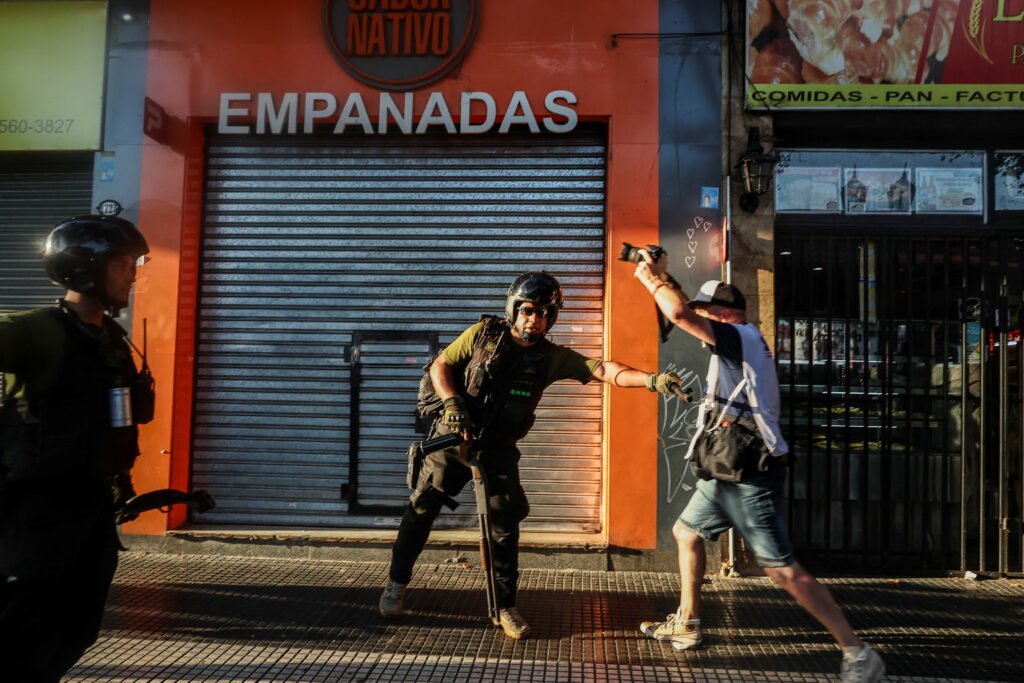
How civil society can counter the rise of legal restrictions across Latin America
New…
Read More
Legal support: a lifeline for civil society and democracy
How democracies become stronger when civil society…
Read More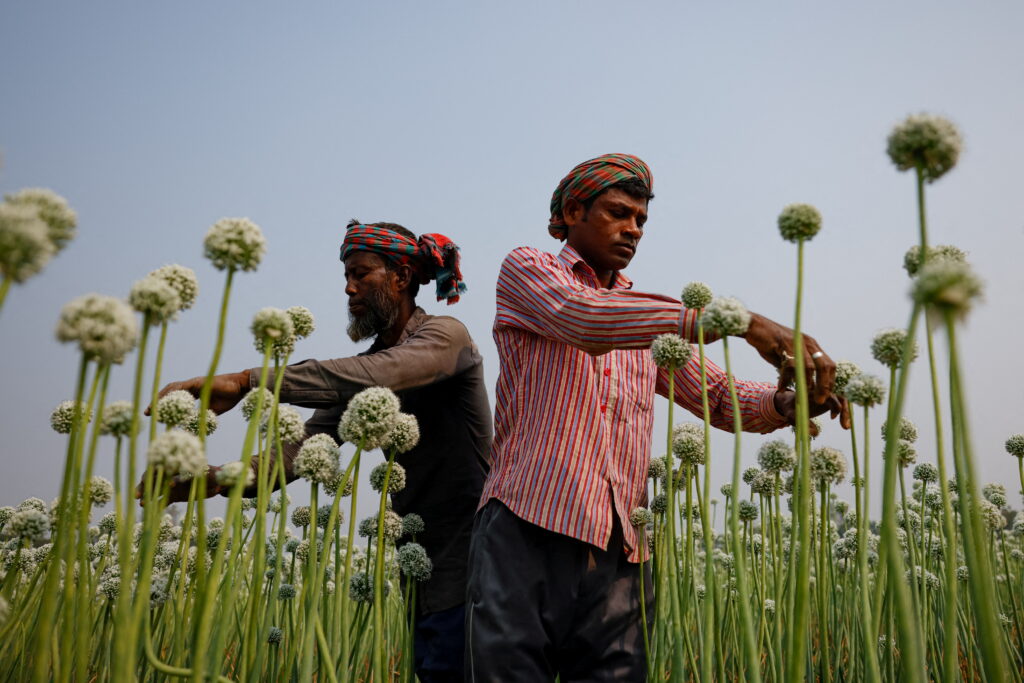
How upholding workers’ rights builds democratic resilience
How businesses treat their workers…
Read More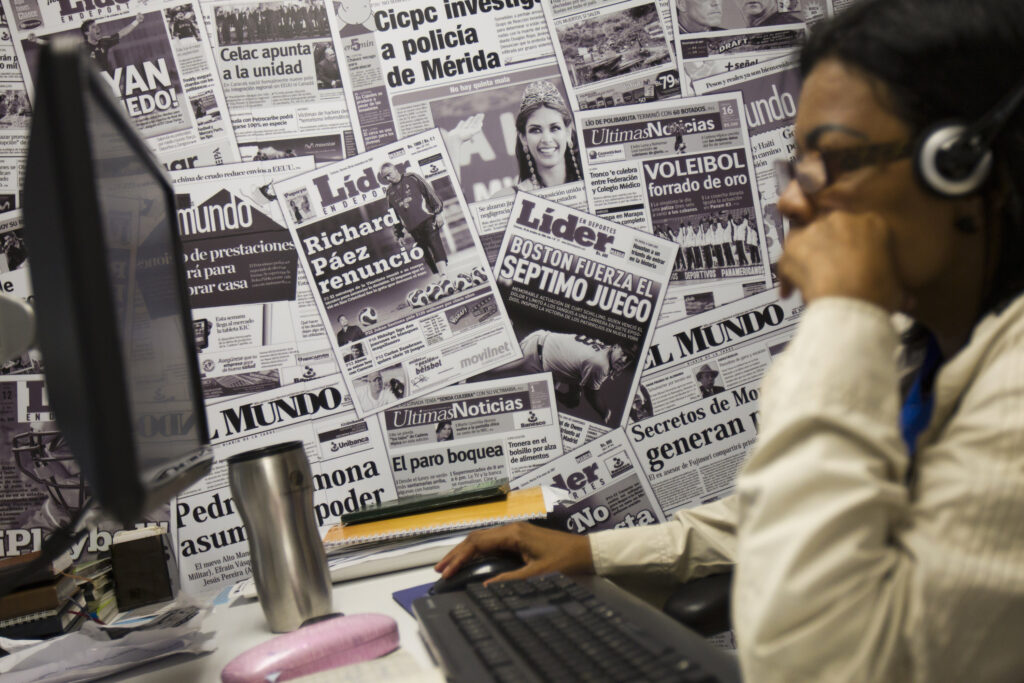
Protecting independent media is protecting democracy
How protecting independent media protects democracy itself.
Read More
What legal risks do content creators face? 5 key considerations for influencers
Content…
Read More
What the EU’s Procurement shift could mean for workforce disclosure
In the wake of the…
Read More
Why existing support for civil society can’t solve this crisis
Most support wasn’t designed…
Read More
What happens when content creators and journalists come together?
Our Multimedia Editor for Openly,…
Read More

