


In Zambia, misinformation and disinformation can spread rapidly through social media platforms like WhatsApp, Facebook, and TikTok, especially during elections. People increasingly receive and share information through fragmented digital channels, which makes it easier for false or misleading election news to proliferate.

We see old videos presented as new, manipulated screenshots, misleading headlines and false claims about candidates, the electoral process and government decisions.
At the same time, the rise of artificial intelligence (AI) sets new challenges for resource-limited newsrooms, many of which have little to no expertise in using it safely. But used responsibly, AI can help them work more efficiently, help counter these threats, and continue producing journalism that serves the public interest.
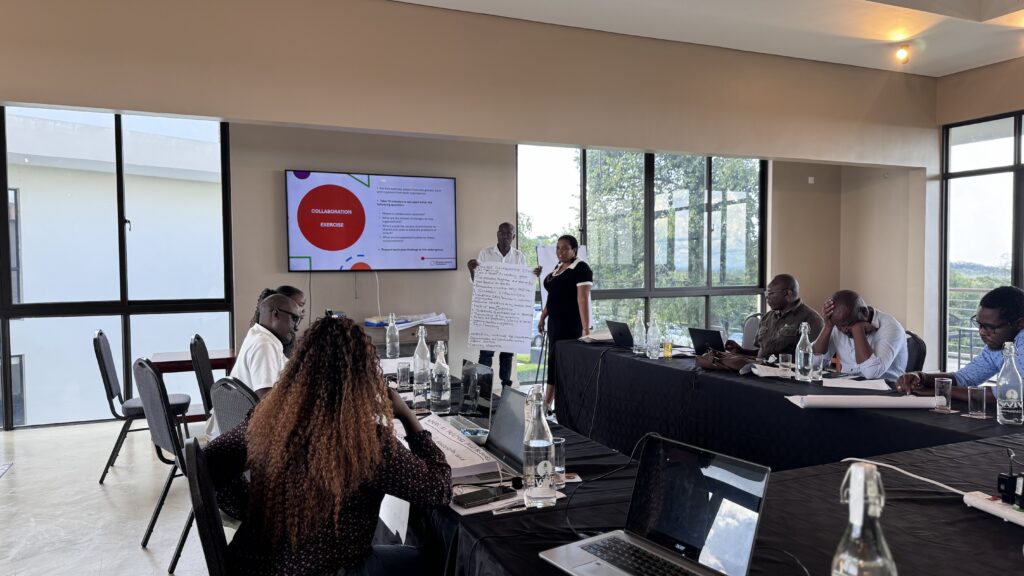
In collaboration with Patrick J. McGovern Foundation, we trained five newsrooms across Zambia and Zimbabwe in foundational skills to use AI responsibly in their work. One of these newsrooms was Capital FM, a Zambian radio station based in Lusaka. In the lead up to the August 2026 general elections, they developed an AI prototype, “Election Watch”, designed to help them verify claims and trace where they came from.
From manual checks to AI-assisted verification
Before the training, Capital FM’s fact-checking process was mainly manual. Journalists consulted official records, coordinated with relevant institutions, and cross-checked information with other credible sources. This was a time-consuming process and was their biggest challenge, especially as the volume of information circulating, and the speed at which information spread, were expected to increase considerably ahead of a major election.
Rather than focusing only on what AI can do, the training encouraged us to start with a real newsroom problem and think about how technology could help solve it. We wanted something that could help us deal with claims systematically, rather than simply using a general AI tool to ask whether something was true or false.
Strengthening their election coverage
Using “Election Watch”, journalists were able to verify election claims in a more deliberate and structured way – significantly reducing the time spent on monitoring and checking content. The tool has four core capabilities:
- It checked if each part of a claim was true
- It traced where a claim first appeared and showed how it spread and changed across different platforms and sources
- It identified new claims and narratives that required attention
- It sorted claims that were being investigated and tracked trends over time
In total, they fact-checked 34 claims throughout the election period. Currently, four staff members use “Election Watch”, but they are looking to adapt it for use beyond the election period.
Verifying 34 claims during the election period was significant for our newsroom, particularly given the size of our team and our other election coverage responsibilities.
Keeping journalists in control
While the tool accelerated their fact-checking process, they didn’t rely solely on AI to determine whether something was true or false. Journalists remained at the centre of verification procedures – checking sources, seeking comments from people involved, and making final editorial decisions.
I don’t see AI simply as a threat or something that will replace journalists. Used responsibly, it can help journalists work faster and deal with information at a scale that would otherwise be difficult to manage.
Protecting a trusted information environment in Zambia
Digital misinformation is now one of the most serious risks to society, according to the World Economic Forum. AI tools, now widely available to users, can create fake content in seconds, and social media can spread it faster than it can be checked. In election contexts, false claims online can spark unrest offline, that may result in injury, arrests or even death.
During elections, people need reliable information to make informed choices. When false information outpaces a newsroom’s ability to share credible news, it can undermine public trust in elections and democratic institutions and make it more difficult for people to recognise and trust reliable journalism.
Our training helped CapitalFM build an AI tool that improved how they monitored and challenged misinformation and disinformation during the general election, so that their audiences continued to have access to accurate news.
In doing so, we support people’s right to trustworthy information, so that they can share a common understanding of facts. By helping independent media become more resilient and sustainable, we work towards a future where societies stay informed and can hold power to account.
Share


Sign up to our newsletter
More News
View All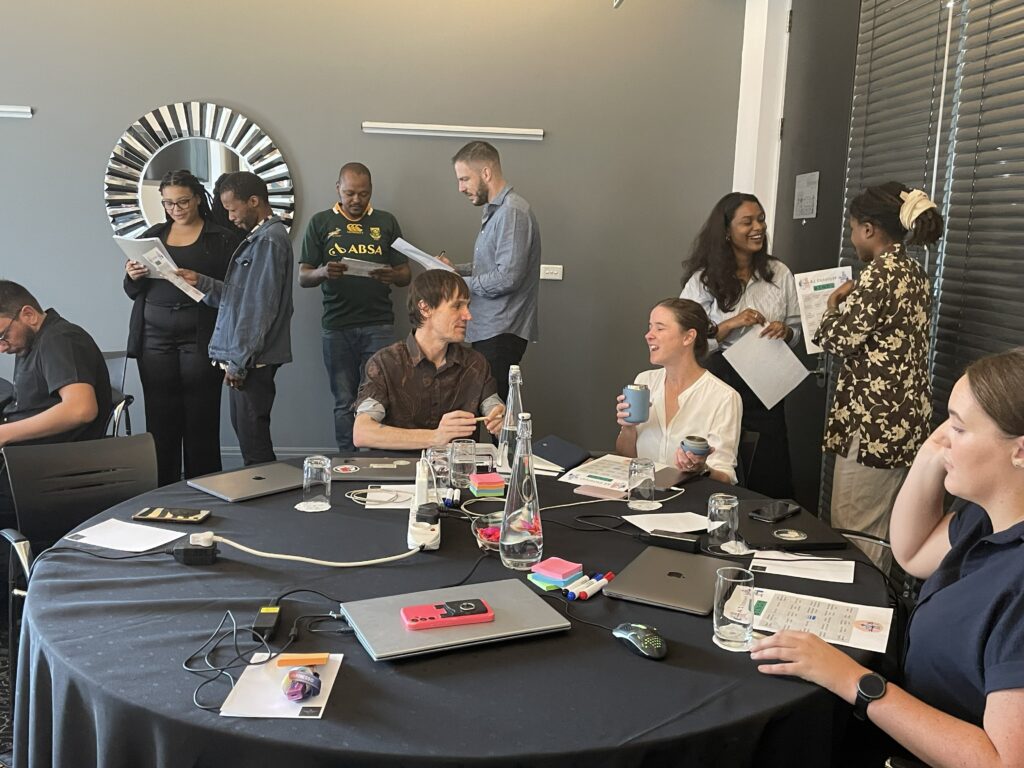
From competitors to collaborators: How AI training brought two South African newsrooms together
In partnership with Microsoft, we supported four newsrooms in South Africa with…
Read More
AI is the biggest reallocation of capital in a generation. Here’s why that should concern all of us
AI has led to a fundamental restructuring of economic power, raising questions that may…
Read More
Three converging pressures facing civil society – and what it will take to respond
What civil society organisations in our TrustLaw network are telling us…
Read More
Democracy is in retreat. Here’s why that should alarm us all
Three powerful and interconnected…
Read More
Collaboration between reporters and content creators is essential for defending informatifon integrity
At workshops in Kenya, the Thomson Reuters Foundation saw what true co-operation between…
Read More
“I had a love-hate relationship with journalists…”
A journalist and a content…
Read More
Working behind the scenes: Reflections from the 5th African Business and Human Rights Forum
A behind-the-scenes view of 5th African Business and Human Rights Forum -…
Read More
World News Day: every $1 invested in journalism can return $100 to society. So why are we letting it collapse?
Defending journalism is not just a moral responsibility. It’s an economic and democratic…
Read More
AI legislation is important in upholding universal human rights
Our Director of Responsible Business,…
Read More
How civil society can counter the rise of legal restrictions across Latin America
New…
Read More

