


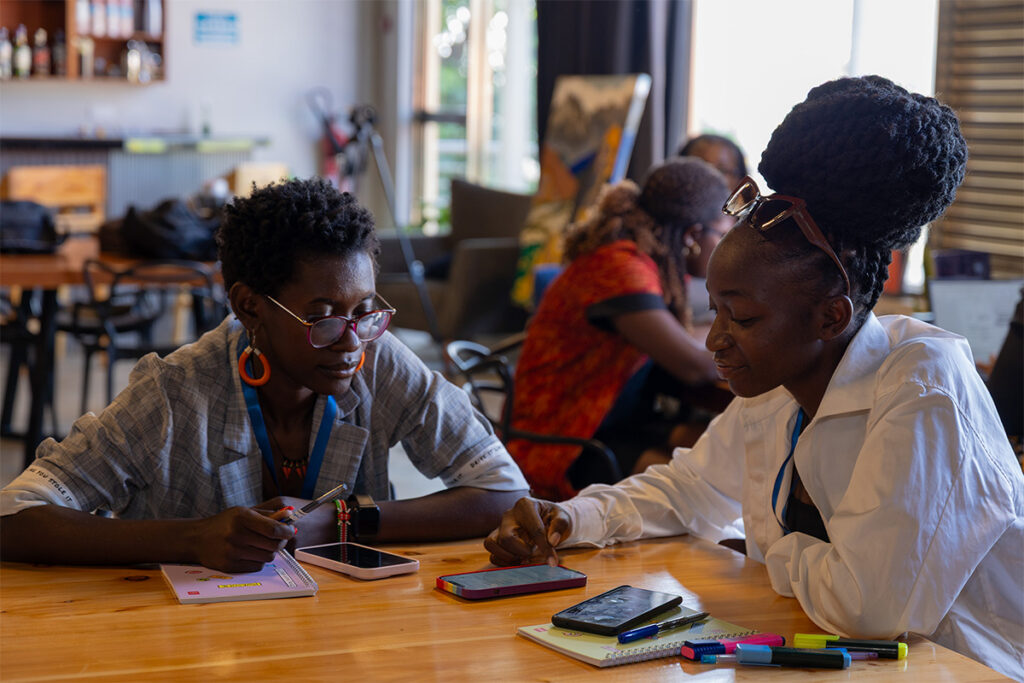
Two decades on from the rise of blogging, citizen journalism and the first inklings of social media, content creators are now essential to how millions of us consume news and interpret the world.
The roles of “journalist” and “creator” are increasingly converging – many newsrooms now expect reporters to record creator-style social content to complement their journalism.
Axel Springer, one of the world’s largest media companies, recently launched its own “creator platform” which it says will “enable successful journalists and new talent to build their own journalistic offerings and share in their financial success” while offering to “support them with production, technology, marketing, and the reach of its media brands”.
In the UK, mainstream journalists including the BBC’s Amol Rajan and longtime Guardian columnist Marina Hyde have abandoned legacy media to concentrate on their personal creator brands.
It’s clear that mainstream media understands there is much to learn from content creators in terms of audience reach and cut through.
For the Thomson Reuters Foundation, this new crossover should not simply be a matter of helping newsrooms and traditional journalists reach new audiences via content creator channels. It is about how support for public-interest information needs to evolve when people producing it work both inside and outside traditional media. Our experience supporting journalists and newsrooms provides a foundation, but the learning cannot run in only one direction. Creators’ understanding of communities, language and formats can contribute to the reporting itself, not just its distribution.
The standards the Thomson Reuters Foundation promotes – accuracy, independence, transparency and accountability – matter across formats. Supporting them does not require everyone to adopt the same professional identity; rather it means extending access to editorial skills, verification, legal awareness and professional relationships, while recognising the expertise people already bring.
So, if we are to foster an environment where information integrity is prized, and audiences have easy access to trustworthy news and analysis, how do we bridge the gap between journalism and content creation?
Kenya’s creator community
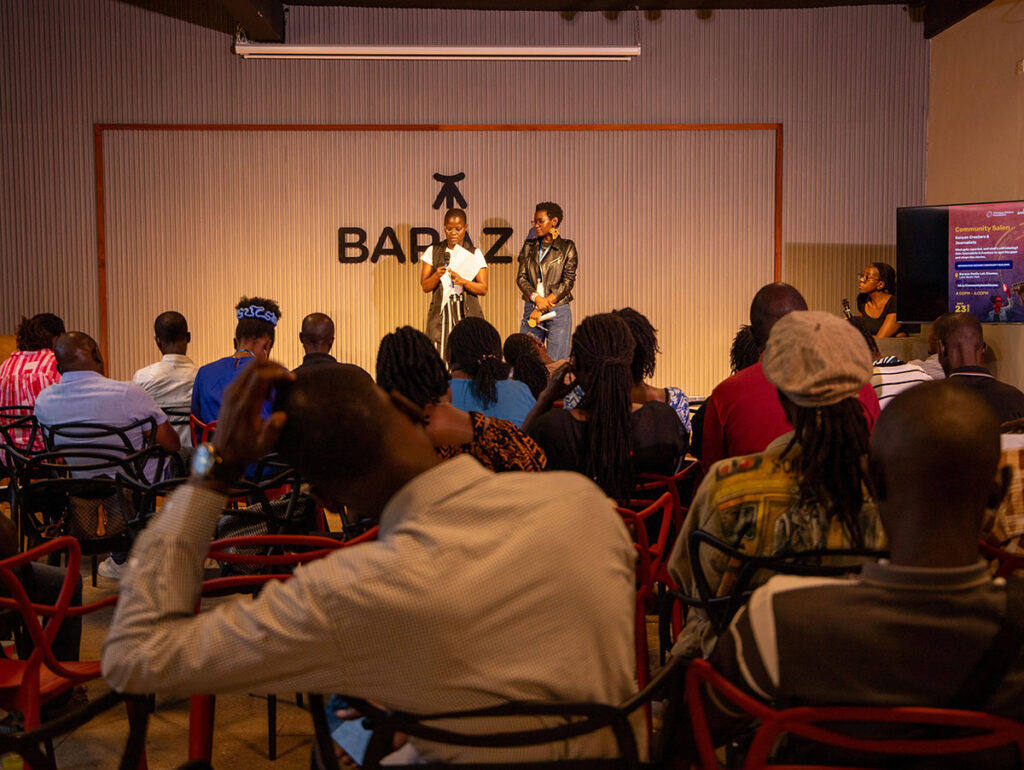
This was the question that drove a Thomson Reuters Foundation training initiative in partnership with Kenya’s Baraza Media Lab earlier this year, when dozens of traditional reporters and content creators came together to see what they could learn from each other.

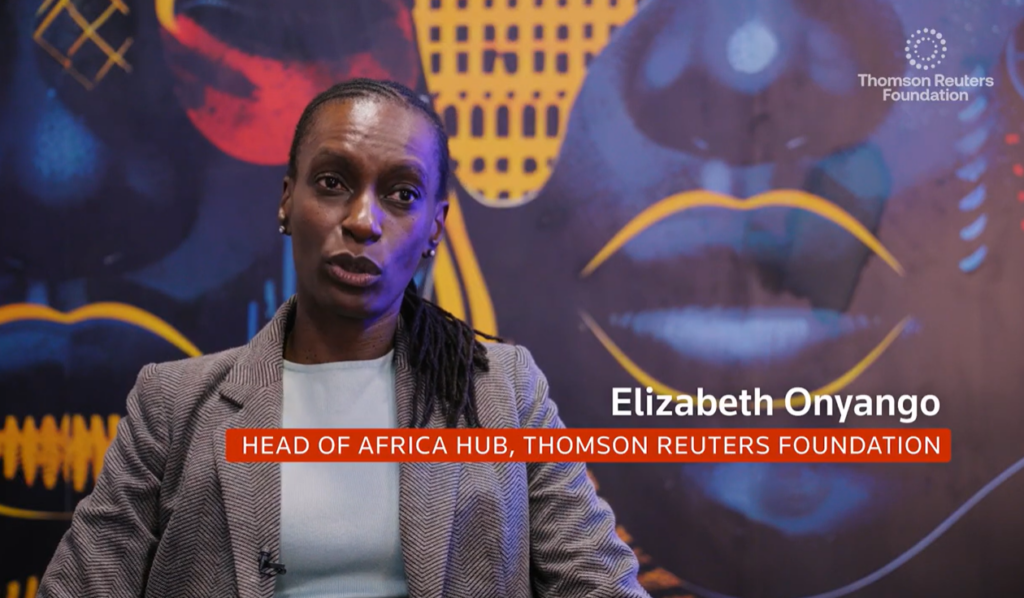

According to the Reuters Institute for Journalism’s 2026 Digital News Report, 58% of Kenyans access news content from creators on a weekly basis. But even then, just one third of Kenyans say that they feel all or most of their news needs are met by content creators.
Kenyans are also among the most concerned with the proliferation of misinformation, with 81% of people there surveyed saying they are “concerned about fake news”.
And Kenyans are more likely than anyone to use YouTube for news, with 2/3 (66%) of Kenyans saying they had used the video platform to consume news in the week they were surveyed.
Meanwhile, Kenya’s traditional media ecosystem is under pressure. While the 2026 Reporters Without Borders World Press Freedom Index notes the country’s “rich and diverse” broadcast sector, it also suggests that the period since the election of President William Ruto in 2022 has been “difficult” for the media, with increased state interference leading to self-censorship.
During Kenya’s femicide protests in 2024, and the later movement against the country’s finance bill, many Kenyan content creators found audiences demanded more news and analysis from them.
A study by Baraza Media Lab found that 84% of those surveyed expected influencers to speak out and cover the protests. According to Baraza, “There was a clear mismatch between influencers’ self-perceptions and audience expectations. While many creators saw civic engagement as a personal choice, audiences treated silence as complicity and demanded visible action.” The need to speak out could often create tension with marketing and branding opportunities and also could expose creators (particularly women) to abuse and threats.
With high-stakes elections coming in 2027, the health of the Kenyan news ecosystem and the ability of journalists and content creators to surface and share reliable information takes on a fresh urgency.
It was against this backdrop that the Foundation’s project pairing content creators with traditional journalists – exploring how their different skills, practices and audience relationships could strengthen public-interest storytelling. Working with Baraza Media Lab, the Foundation led workshops in Nairobi and Kisumu, examining what journalists and content creators can learn from each other, and how they can collaborate for the benefit of citizens and consumers.
Closing the divide
Over three days, journalists and civic content creators worked together to enhance each other’s understanding of practices, from sourcing and verifying information to scripting and producing engaging social video, as well as gaining a greater understanding of the legal landscape in which they operate – particularly relevant to independent practitioners working without ready access to editorial or legal support. The three days culminated in reporters and content creators working in pairs to come up with story pitches that would work for traditional and social media.
One lesson from the programme was that collaboration needed to be part of the learning process, not simply its hoped-for outcome. Participants worked through practical exercises and developed story ideas together, creating opportunities to test assumptions against each other’s actual practice. Community discussions also helped bring the audiences those stories were intended to serve into the process. The aim was not simply to make existing reporting travel further, but to explore how different perspectives could shape the story from the outset.
The urgent need for a truly collaborative approach became clear over the three days, though it was important to confront preconceptions early on.
As content creator Nelly said:
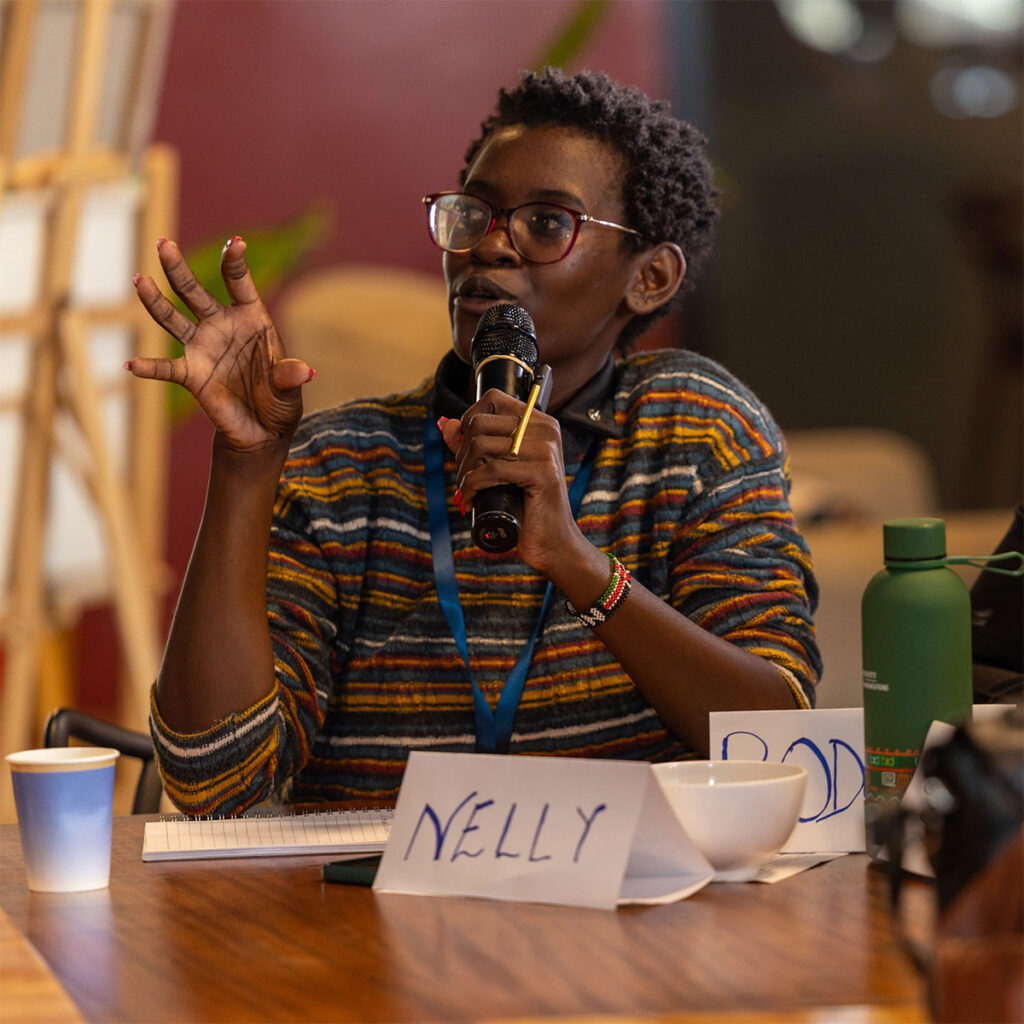

I kept hearing journalists claim that content creators are just after the fame and don’t care about facts. On our side, we felt traditional media relied too much on ‘textbook English’, that day-to-day communities don’t actually relate to.
Journalist Seliphar, meanwhile, said the sessions helped her understand diverse ways of storytelling and audience connection:
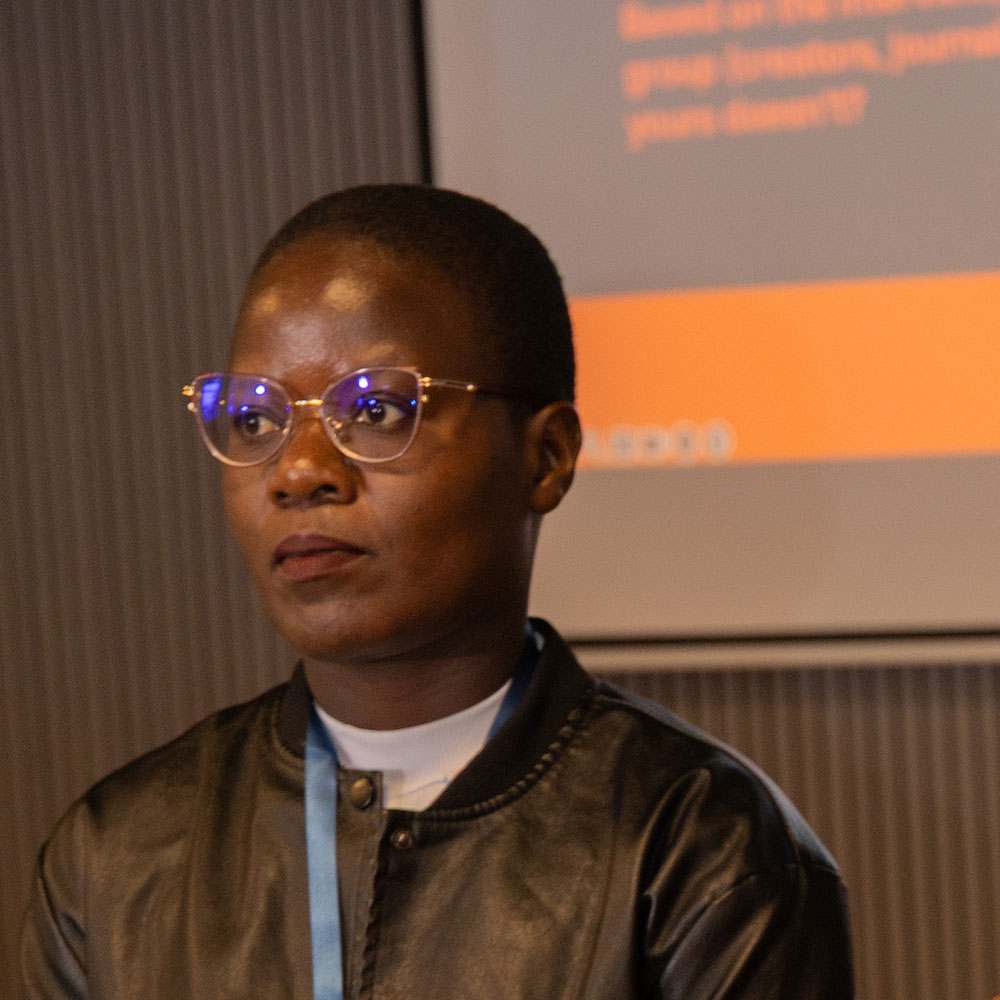
“It meant a long-form feature could be broken down into a shorter video. We still had both types of content, but combining our different approaches will help bring stories to a wider audience.”
True collaboration and real opportunity
The latter point is increasingly important: while many in traditional media may still be wary of content creators, viewing them as incapable of “real journalism”, the truth is that reporters do not have a monopoly on trust. The Reuters Institute’s Digital News Report found that trust in journalism is at 37% worldwide: in the US, only a quarter of people say they trust the news most of the time. Meanwhile, the Edelman Trust Barometer showed how influencers’ connection with audiences can be persuasive: for example, of the 48% of people who would trust a food or lifestyle influencer, 62% would be more inclined to trust a brand endorsed by them. This is the power of the authentic connections content creators can have with their audiences – connections traditional media can struggle to maintain in a time of increasing fragmentation.
Collaboration also needs to be clear about what each partner is contributing. There is value in creators helping verified journalism reach further, but their role need not begin only once a story is finished. Their audience knowledge can help shape the questions, identify missing perspectives and influence how an issue is explained.
[Creators’] audience knowledge can help shape [journalists’] questions, identify missing perspectives and influence how an issue is explained.
Chris Vazquez, whose experience includes The Washington Post, The Marshall Project and Local News International, put it directly in an American Press Institute discussion of newsroom partnerships: “Creators shouldn’t just be there to promote stories. They’re information providers. If the goal is to make journalism accessible, then authenticity has to come first.”
That does not make every distribution arrangement unequal. It does mean that a partnership intended to involve editorial collaboration needs room for both parties’ expertise, alongside agreement on standards, credit, payment and responsibility.
Learning from newsroom partnerships
The same is true for news brands. Ariane Datil, a content creator hired as a social video host by the Philadelphia Inquirer, told the American Press Institute that “The Inquirer already had a strong video team, but they wanted something warmer and more personal, where viewers feel like they’re getting the story from a friend.”
That friend-style relationship brings trust but also expectation, as Kenya’s content creators discovered in 2024 during the femicide protests.
Wherever they may be, fundamentally, civic content creators and reporters face the same challenges: sourcing and packaging material that appeals to and informs audiences, while navigating grey areas of regulation, law, and volatile online reaction. Participants in the sessions were quick to point out what they most benefited from, whether identifying SLAPPs or learning to tell complex stories in the age of vertical video.
AI, verification, and editorial judgement
And then there is the challenge and opportunity of AI. In Dubai in September, the Thomson Reuters Foundation worked with young journalists, content creators, and influencers, training them in AI verification, editorial workflows, and practical production. The emphasis was not simply on introducing tools, but on the decisions surrounding their use: what needs checking, what information should not be uploaded and where human judgement remains essential – expertise that are becoming ever more important.
That thinking is informing the Thomson Reuters Foundation’s developing work with creators in Kenya, Nigeria and Zambia, and our programme designs in Europe. The connection between editorial judgement, verification, AI use and legal awareness matters more than treating each as a separate training topic. A decision to translate an interview, generate a visual or summarise a document is also a decision about accuracy, attribution and potential harm. These are important discussions for everyone involved in creating and publishing content in the public interest.
Keeping the conversation going
Conversation, collaboration and exchange are key. As one participant in the Kenyan workshops told us: “The discourse was the most important aspect, the back and forth between journalists and content creators allowing each of them to share based on their experiences.”
In a rapidly changing media environment, keeping that dialogue open and productive is essential to maintaining and promoting information integrity.
Share


Sign up to our newsletter
More from us
Read more from our content creator series, or browse our resources for journalists and newsrooms.
“I had a love-hate relationship with journalists…”
A journalist and a content…
Read more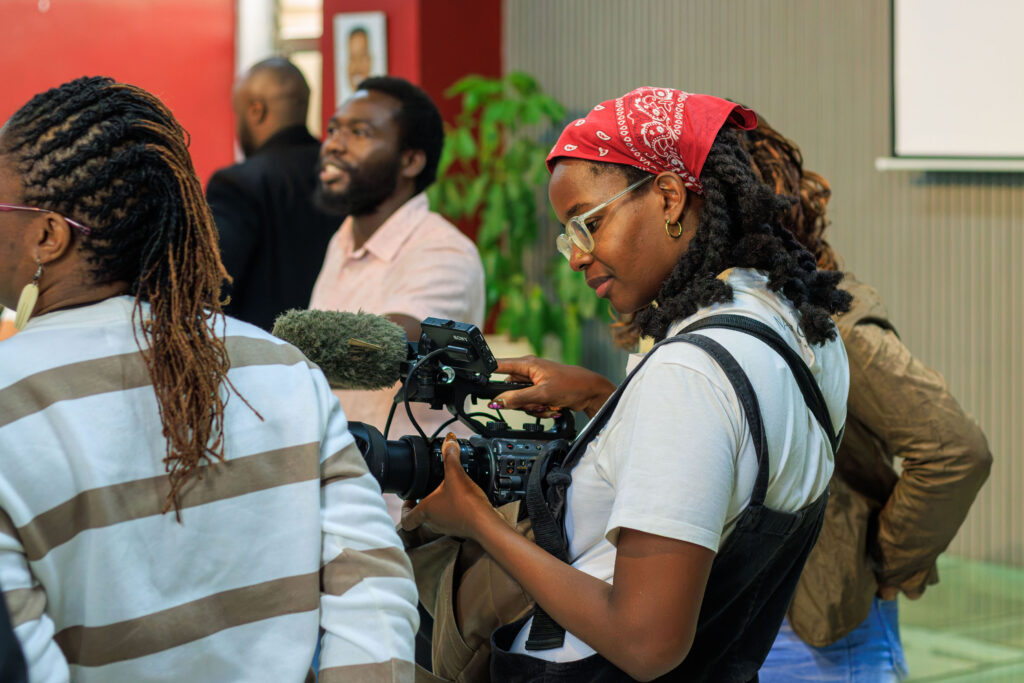
What legal risks do content creators face? 5 key considerations for influencers
Content…
Read more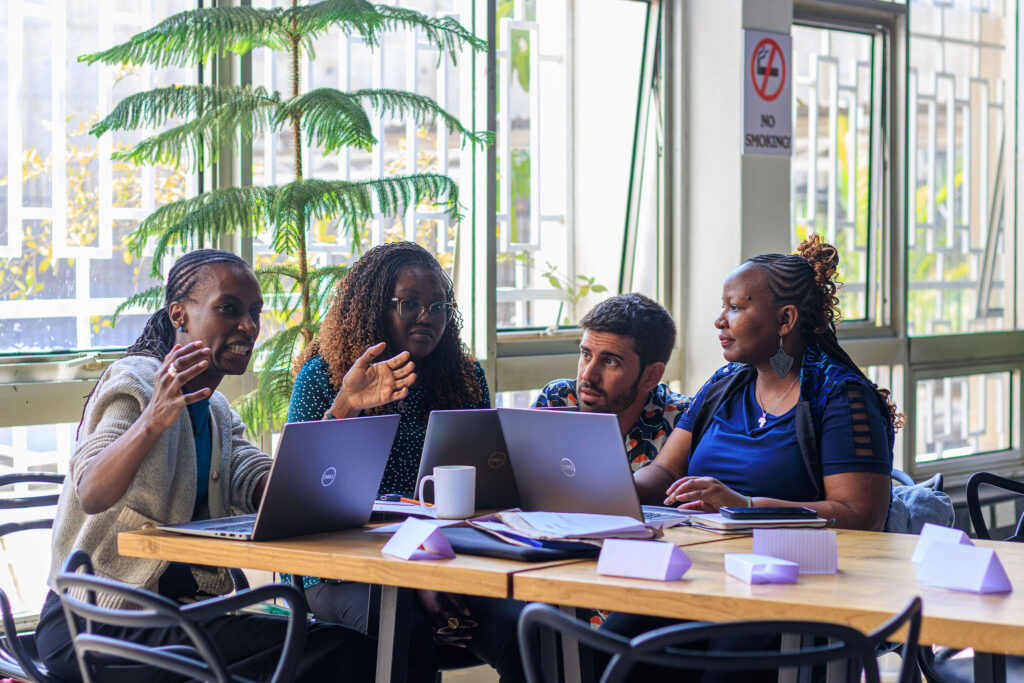
What happens when content creators and journalists come together?
Our Multimedia Editor for Openly,…
Read more
Resources
Read our informative reports and guides for journalists, civil society organisations, lawyers, and the private sector.
Read more

