


I began making content on TikTok during the first 2020 coronavirus lockdown. There was no plan or strategy behind it, but we had enough time to try things out. At first it felt almost like a hobby, alongside my main job doing “real journalism”.
Soon something shifted. My connection with my audience began to grow in a way I had rarely experienced as a “traditional” journalist. It wasn’t just the reach of the videos I posted, or the likes, comments and shares. It was that my audience were no longer passive consumers of my content, but an active community helping to shape my reporting and give constructive feedback.
Over the years, I’ve learnt to bring my work as a content creator and my work as a journalist together, making the best use of both skillsets to do what I always wanted to do: tell stories people care about. It was almost as if these two sides of me, the journalist and the creator, had finally learned to speak the same language.
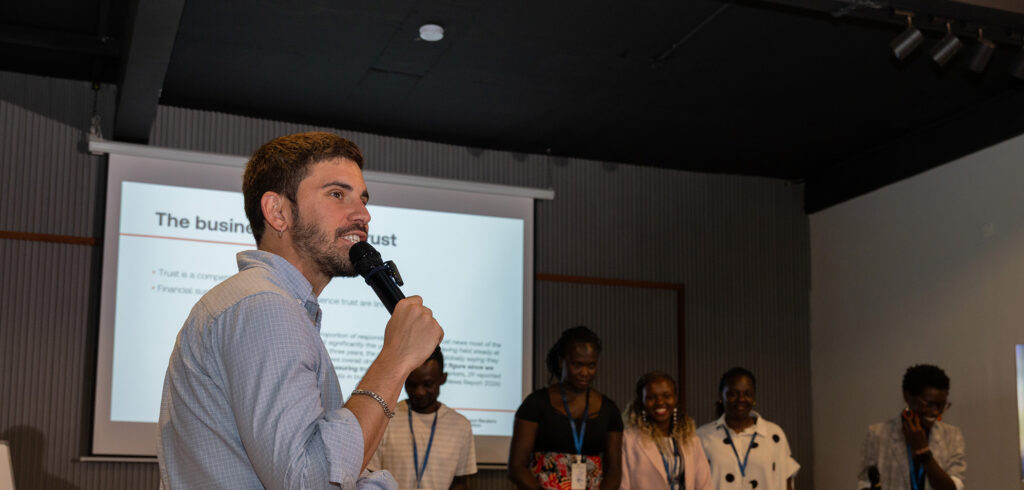
This same spirit of collaboration made our workshops in Kenya transformative. As someone who inhabits the intersection of both worlds, the conversations framing the differences between the two groups as either/or, as a battle for people’s attention, have always felt misleading. My journalism helped me earn the trust of audiences, and my work as a creator helped my journalism inform people it wouldn’t have reached otherwise. When people told me: “I don’t trust the media, but I trust you,” I knew I was doing something right by exploring this middle path – and that it was worth sharing. It’s why I’ve since helped dozens of journalists around the world to navigate these same waters.

The tensions between journalists and creators are undeniable. We named them from the very first moment we started our workshops in Nairobi and Kisumu: stereotypes, prejudices and preconceptions about creators not deserving the reach they have built, or not fact-checking the content they post, or about journalists holding advantages or being mouthpieces for power.
The tensions between journalists and creators are undeniable. We named them from the very first moment we started our workshops in Nairobi and Kisumu: stereotypes, prejudices and preconceptions about creators not deserving the reach they have built, or not fact-checking the content they post, or about journalists holding advantages or being mouthpieces for power.
Almost immediately, these tensions were turned into an eagerness to collaborate. Journalists and content creators recognised each other’s value, and what they could learn from one another, but also how they could maximise their collective impact by each doing what they do best. Journalists understood why people trust creators, and the importance of building communities around their work to foster the impact of their stories. Meanwhile, creators were inspired by the journalists’ reporting and research skills, and saw the importance journalistic values can have not only to keep audiences’ trust in the long term, but also to build sustainable businesses.
One of my favourite exercises that we did during this programme was where a creator was paired with a journalist and we were supposed to come up with a story idea and pitch it to the team […] Combining all these muscles, we could achieve so much ahead of the 2027 elections.
At a time of growing polarisation, declining trust in media institutions, and difficult economic environments, it was invigorating to see this spirit of innovation towards a common goal: providing fellow citizens with trustworthy information that helps them make informed decisions. With Kenya’s 2027 general election on the horizon, and with it, the risk of misinformation and false narratives spreading rapidly online, this collaboration feels especially urgent. Neither group can meet this moment alone.
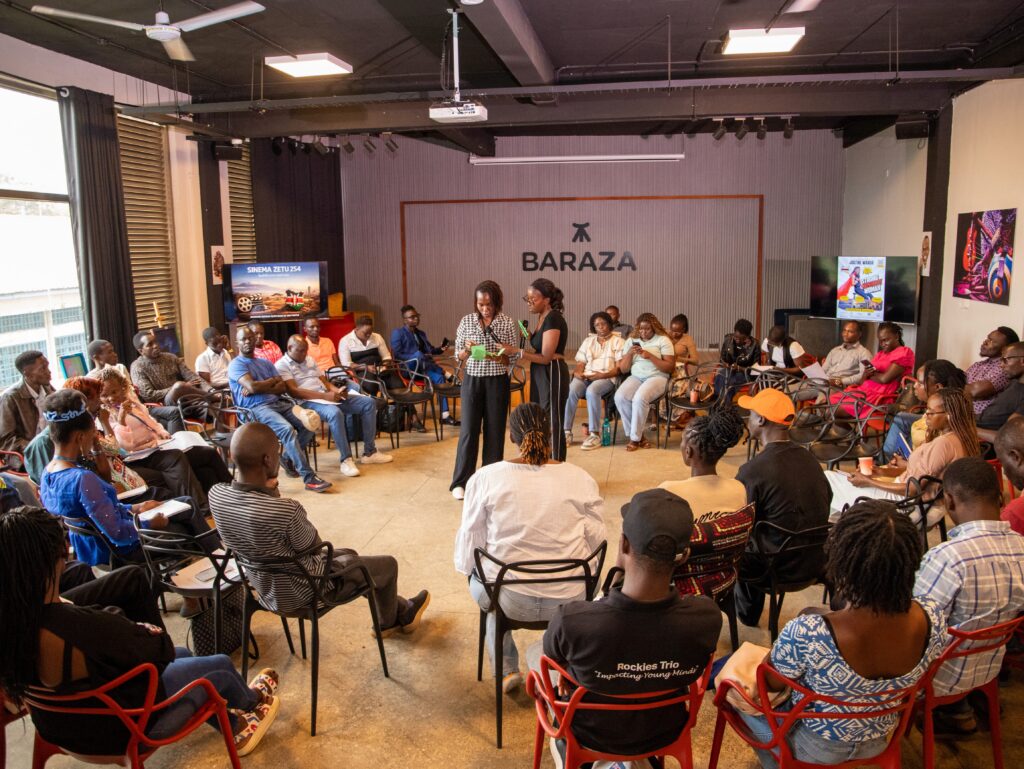
The way we consume information has fundamentally changed. The morning newspaper has given way to a digital reality that is reshaping how we connect with our communities and the world. Audiences haven’t stopped caring about the news, but they engage with it differently, navigating an ever-growing ecosystem of information and entertainment.
In this new ecosystem, journalists and content creators don’t need to compete – not if we share the common goal of fostering more informed and therefore freer societies. A young creator form Kisumu said it best during our workshops: “What content creators do is 100% amazing. What journalists do is 100% amazing. What happens when the two come together?” The answer is quite simple: that collaboration becomes our strongest tool to fight misinformation and ensure the information integrity necessary to safeguard democracy.
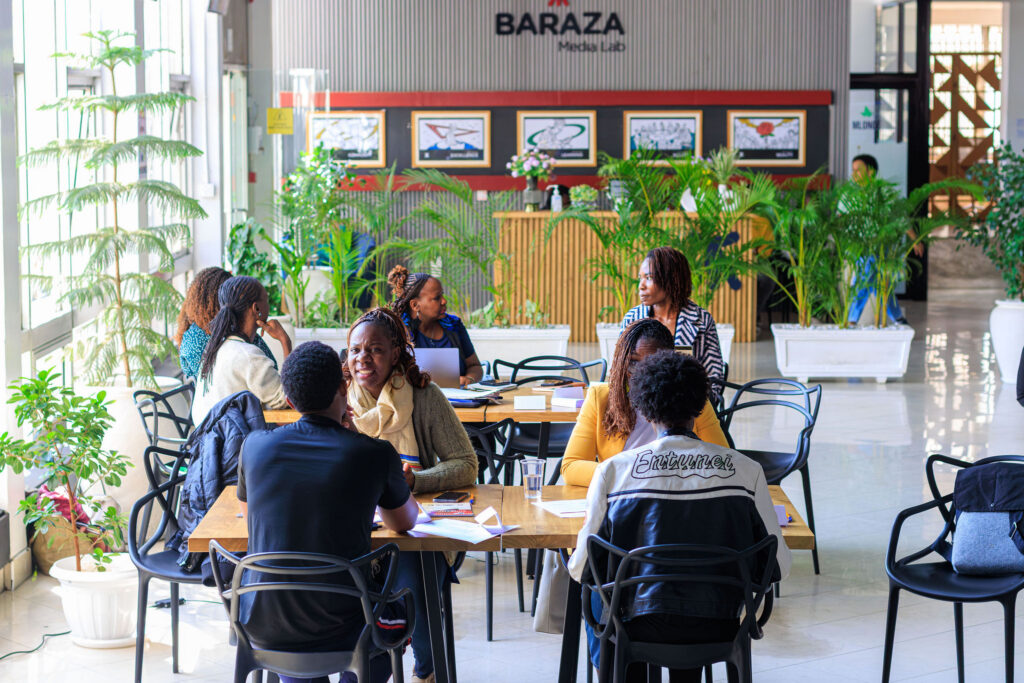
The challenge now is to make sure it doesn’t stop here. As the information ecosystem continues to evolve, we need to create more opportunities for journalists and creators to learn from each other and reach audiences with credible, trustworthy information. If we want healthier information environments in the years to come, this is an approach worth investing in.
Share


Sign up to our newsletter
More from us
View All
Partner with us
What sets us apart For more than 40 years we’ve supported independent journalism globally. Since 2010 we have run TrustLaw,…
Read More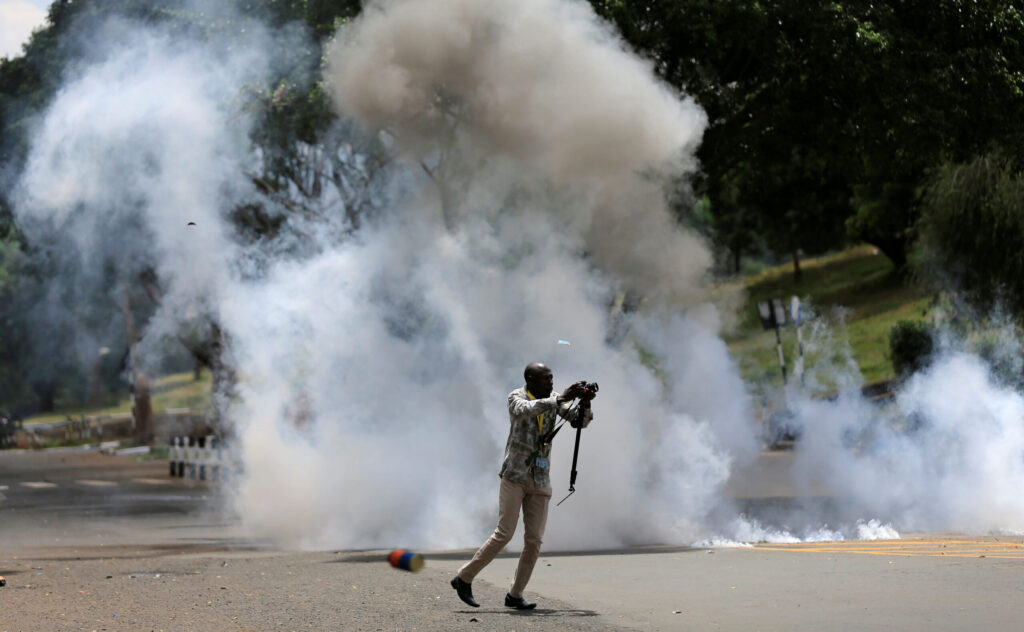
Weaponising the law: Threats to media freedom in Kenya
Our latest report exploring the legal threats…
Read More
AI legislation is important in upholding universal human rights
Our Director of Responsible Business,…
Read More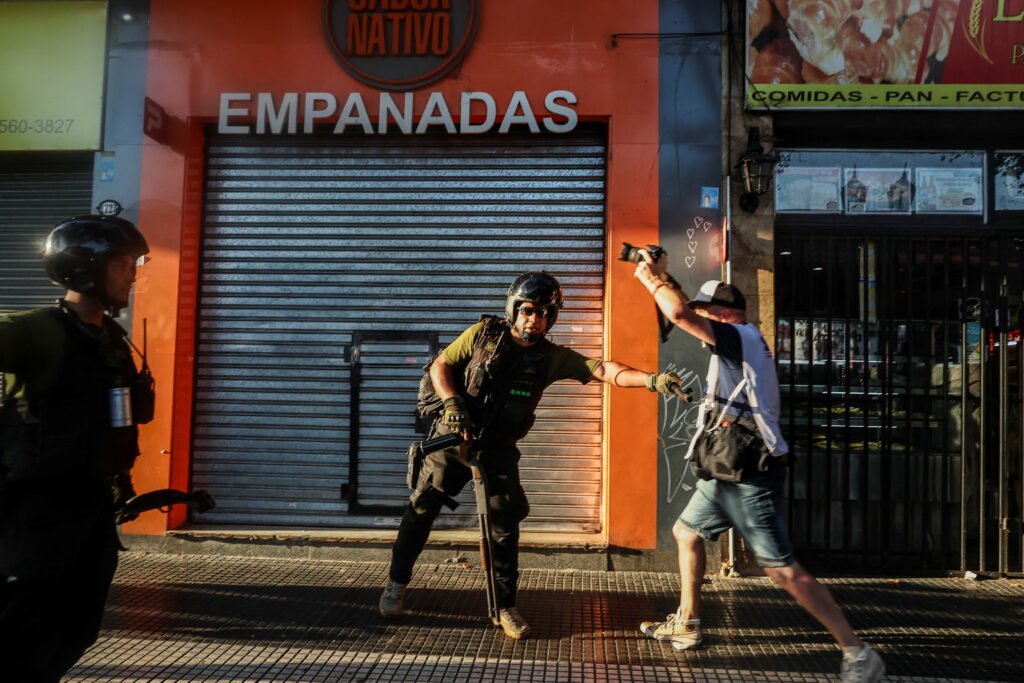
How civil society can counter the rise of legal restrictions across Latin America
New…
Read More
Legal support: a lifeline for civil society and democracy
How democracies become stronger when civil society…
Read More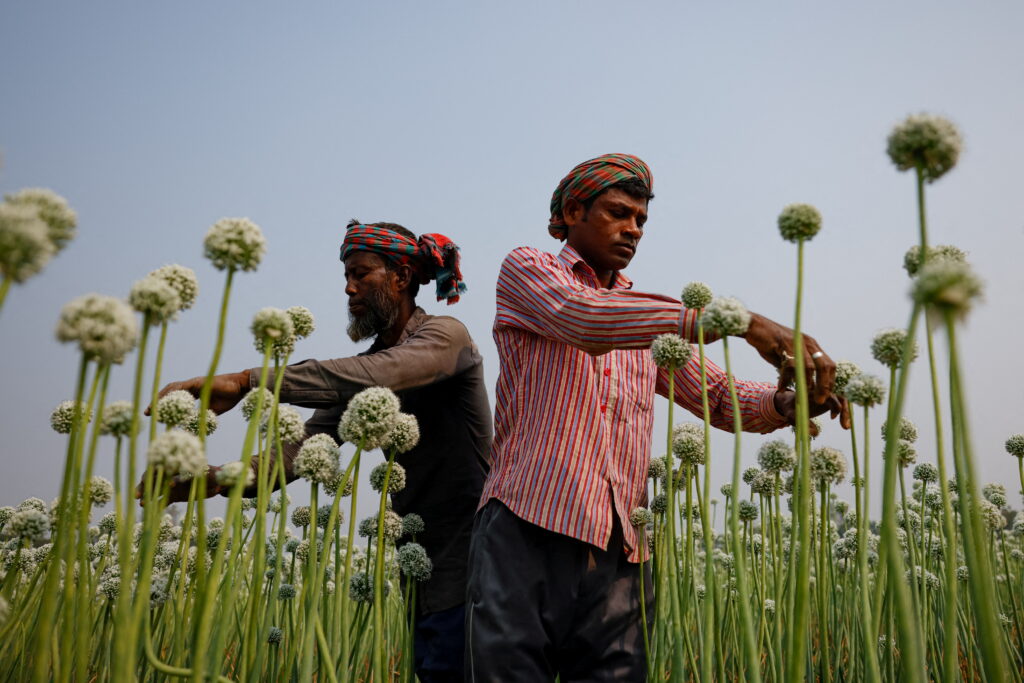
How upholding workers’ rights builds democratic resilience
How businesses treat their workers…
Read More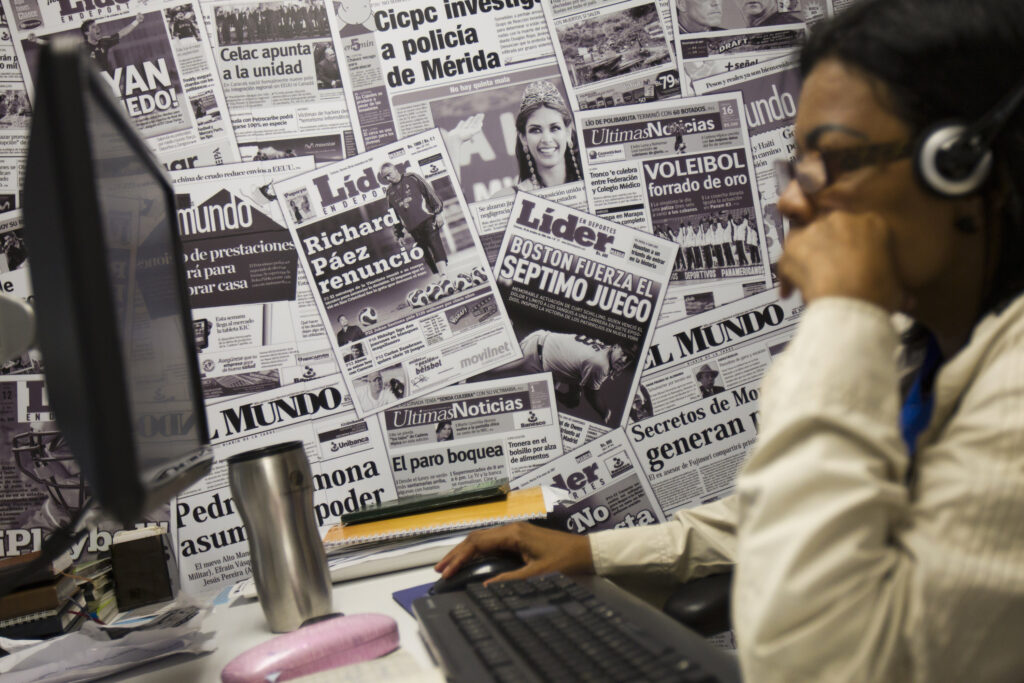
Protecting independent media is protecting democracy
How protecting independent media protects democracy itself.
Read More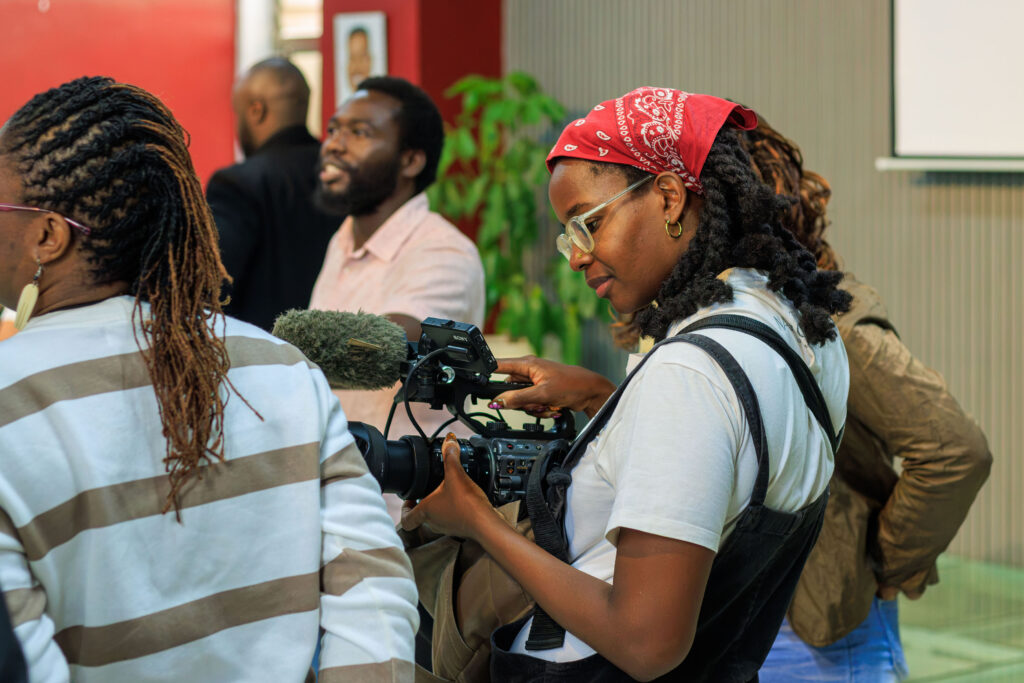
What legal risks do content creators face? 5 key considerations for influencers
Content…
Read More
What the EU’s Procurement shift could mean for workforce disclosure
In the wake of the…
Read More
Why existing support for civil society can’t solve this crisis
Most support wasn’t designed…
Read More
Constitutional protections are not enough to defend press freedom: what our research in South Africa shows
South Africa’s constitutional protections for press freedom are among the strongest on the…
Read More
New report reveals the extent of EU AI Act influence
Our research on 3,000 companies shows the EU AI Act is…
Read More

