


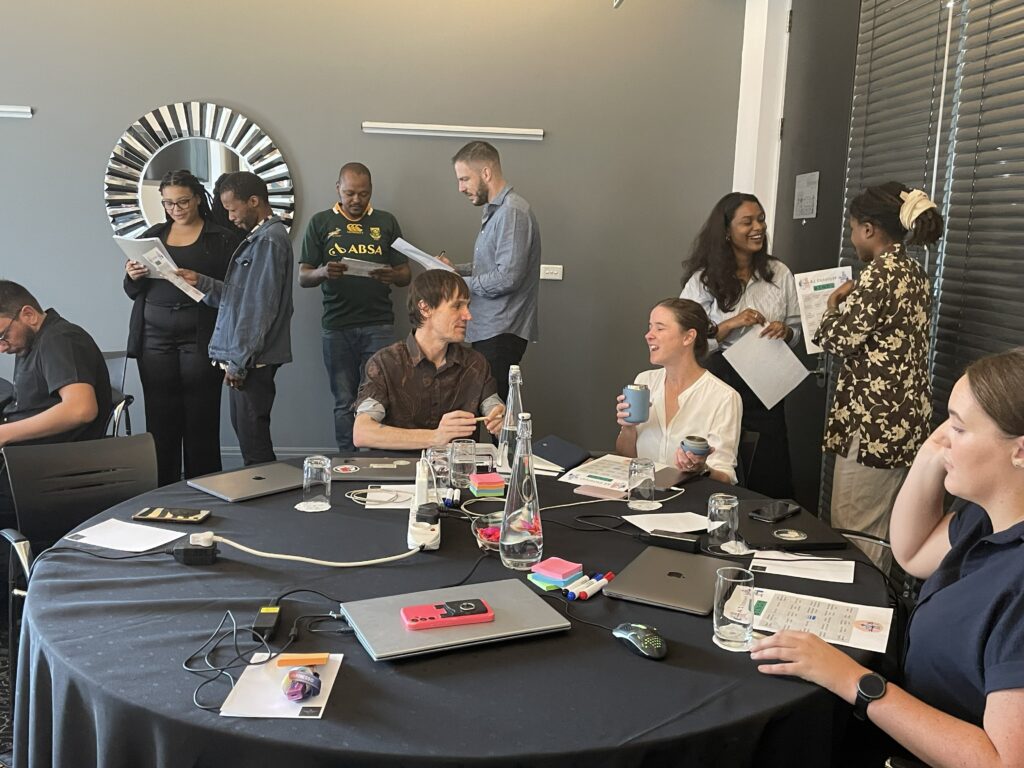
In partnership with Microsoft, the Thomson Reuters Foundation supported four newsrooms in South Africa with responsible AI adoption. Two of those newsrooms found themselves collaborating in an unexpected way.
A year on, we spoke to Maryn Blignaut (Editor in Chief at Briefly News), Rianette Cluley (Director and Media Project Manager at Briefly News), and Quan Dambuza (Publisher and Editor at Pondoland Times) about how the training opened the doors to collaboration in an industry traditionally marked by competition.
Q. What was your view of AI before joining the training, and where are you now?
Maryn: I was very anti-AI before I went into the training. I was ready with my pitchfork and my sign going out like, “ban AI”. While I’m still a bit more on the cautious side of it, I am embracing it more. I can see how the training has helped our newsroom and that’s the biggest takeaway for me. We now know how to go about using AI and how to implement it in a way where it doesn’t impact us negatively but rather moves us ahead. It streamlined a lot of our processes.
Rianette: The training helped me realise the necessity for collaboration and idea sharing among participants… We improved the quality of our content hugely after the training; our distribution on social media increased; we’ve managed to lessen the amount of content on our websites that could land us in legal trouble; and we’ve found quick ways to cover follow-ups effectively. We’re also using a co-pilot that helps us with basic copy editing, media law checks, and structure checks. This has freed up copy editors’ time a lot and has improved the quality of the content on our platforms massively.
Quan: This applied to our newsroom too. Before, we never touched AI. Now, we use Pondo Bot – the AI tool we built during our training – every day, and we still experiment with it.
Q. What did your collaboration look like and what did you learn from each other?
Rianette: It’s a very competitive industry in South Africa and people aren’t always open to collaboration. But within probably an hour of us starting the workshop, we already felt like family. I remember being in awe at how small their [Pondoland Times’] newsroom was and how well they knew their community. They cover quite a large area. It’s by no means a small community, but I was amazed at how well they had their eye on the ball. I also loved how they work with university interns, so we’ve started contracting very junior writers and interns that we mentor. I’d love to partner with them on a special project.
Quan: Whenever Briefly cited our original reporting, we noticed that our work reached audiences beyond our usual geographic area. Being referenced by a larger national publication strengthened our credibility. It showed readers and other journalists that our reporting could be trusted and seen as an authoritative source. This collaboration gave us an opportunity to learn how a larger newsroom approaches content planning, distribution and the use of AI. It encouraged us to think more strategically about presenting our stories for different platforms and reaching audiences outside our immediate community. Just as importantly, the relationship created the possibility of future content sharing and joint projects.
Q. Would your collaboration have happened without the training?
Maryn and Quan: No.
Rianette: I don’t think so. I didn’t even know Pondoland Times existed before this training. Now because of it, they’re on our radar. We’ve learned so much from them – and that was just from a few conversations. We landed in the right group chats at the training. Without that, we probably wouldn’t have learned what we did.
That trust has turned into an open invitation between the two newsrooms.
Quan: I know that I can e-mail colleagues at Briefly anytime. I know they’ll help if I’m stuck on a problem or an idea.
Rianette: We know that if we need to, we can reach out to each other. It’s always an open door, because there’s so much more we can do together and want to do together. We’re always open to learning and sharing about AI.
Q. How far has this training travelled beyond your own newsrooms?
Rianette: The aftereffects of this programme were insane for us – from the brand mentions to the people reaching out to us for help. People have reached out and said, “how can I start?”. They want us to mentor them and show them how we’re using AI.
Maryn had a similar experience through a different programme.
Maryn: My very first meeting with the WAN-IFRA [World Association of News Publishers] Women in News cohort, they asked, “what can you bring to the rest of the team?”. Everyone was talking about investigative journalism. I was like, well, I can now help you guys a little bit with AI. I got the opportunity to share what we learned and pass that along.
Quan also found opportunities to share what his team learned within their own network.
Quan: We have shared what we learned with our team, interns, and other journalists in our network. This includes practical ways of using AI to plan coverage, identify follow-up angles, improve social media distribution, and flag content that may require additional legal or editorial review. Sharing these lessons helps smaller newsrooms benefit from the training even if they were not able to attend the workshops themselves.
Q. A year on, do you still use your tools?
Quan: Of course.
Maryn: It’s a whole new beast. We moved our tool to another platform, so it’s better integrated with our CMS. The little baby we started with is, well, now a teenager.
Rianette described the progress they’ve made with their tool.
Rianette: Initially, I could use the tool for spelling and grammar checks. That’s literally all it was supposed to do. Then we created another tool for asking questions, and we created another tool for social media distribution. Now, the co-pilot tool that we have does all of it and it’s one click away.
We support newsrooms to adopt AI responsibly and ethically. This strengthens their ability to manage AI-related risks – equipping them with the knowledge and skills to continue delivering reliable, credible journalism to their audiences. By contributing to a trusted information environment, we strengthen the foundations of democratic resilience.
We’ll be starting the next phase of this programme soon, where we’ll be supporting newsrooms in Kenya in their AI adoption journey.
Maryn Blignaut

Maryn Blignaut is an experienced South African journalist and Editor-in-Chief at Briefly News, where she leads a remote newsroom and oversees editorial strategy, content development and digital storytelling. With a decade of experience in journalism, she has a particular interest in the intersection of journalism, technology and innovation, and has played a leading role in integrating AI into newsroom workflows. Maryn is passionate about building impactful journalism that connects with audiences while maintaining strong editorial standards.
Quan Dambuza
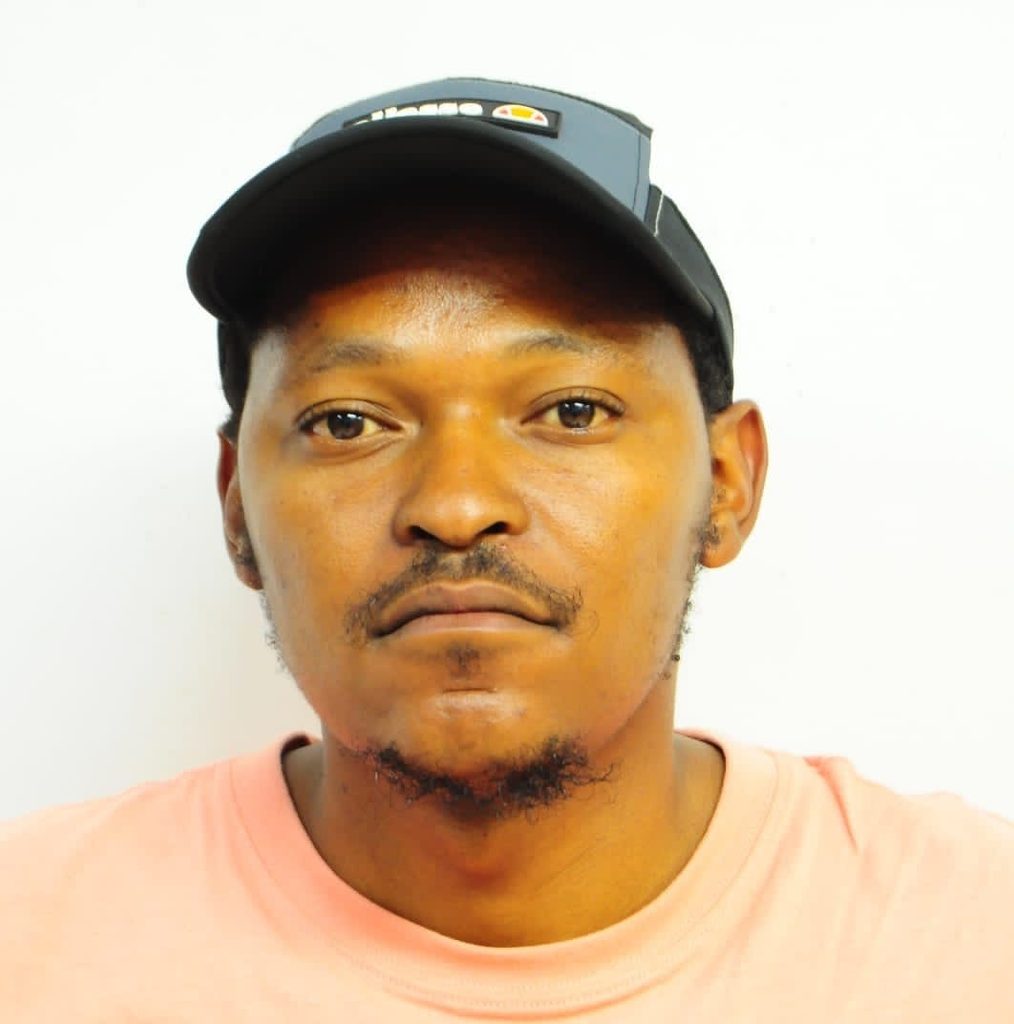
Quan Dambuza is a South African media entrepreneur and the Founder and Publisher of Pondoland Times, an award-recognised, rural-first community media outlet based in Bizana, Eastern Cape. Founded in 2021, Pondoland Times publishes in print and digital, reaching over 1 million website users in 2025, with a weekly print circulation of 5,000 copies and a growing email newsletter audience of more than 11,000 subscribers. Quan’s work focuses on building sustainable local media models, growing digital audiences in deep rural areas, and using service journalism and technology to bridge information gaps while remaining rooted in community trust.
Rianette Cluley

Rianette Cluley is the Media Project Manager of Briefly News (joined in 2016) and Tuko.co.ke (joined in 2026). Previously, she was a journalist and photographer for award-winning publications within the Caxton group (joined in 2008). She also attended the Journalism AI Academy powered by the Google News Initiative and passed a set of trainings for journalists from Google News initiative. In February 2024, she hosted a workshop titled AI for Journalists: Power Up Your Reporting Ethically and was a guest speaker at the Forum of Community Journalists No Guts, No Glory, No Story conference.
Share


Sign up to our newsletter
More News
View All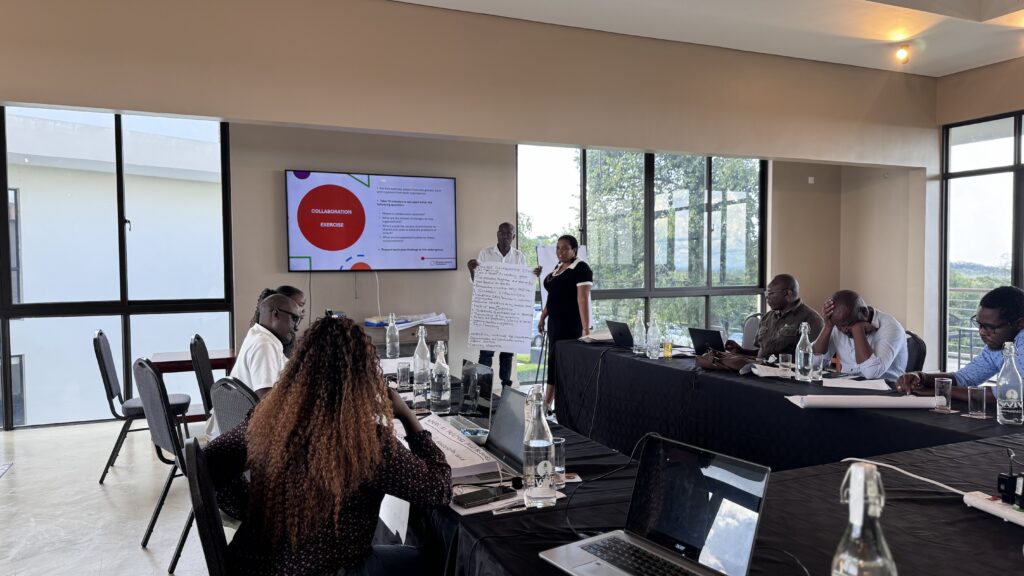
How one newsroom built an AI fact-checking tool for Zambia’s Election
In collaboration with…
Read More
AI is the biggest reallocation of capital in a generation. Here’s why that should concern all of us
AI has led to a fundamental restructuring of economic power, raising questions that may…
Read More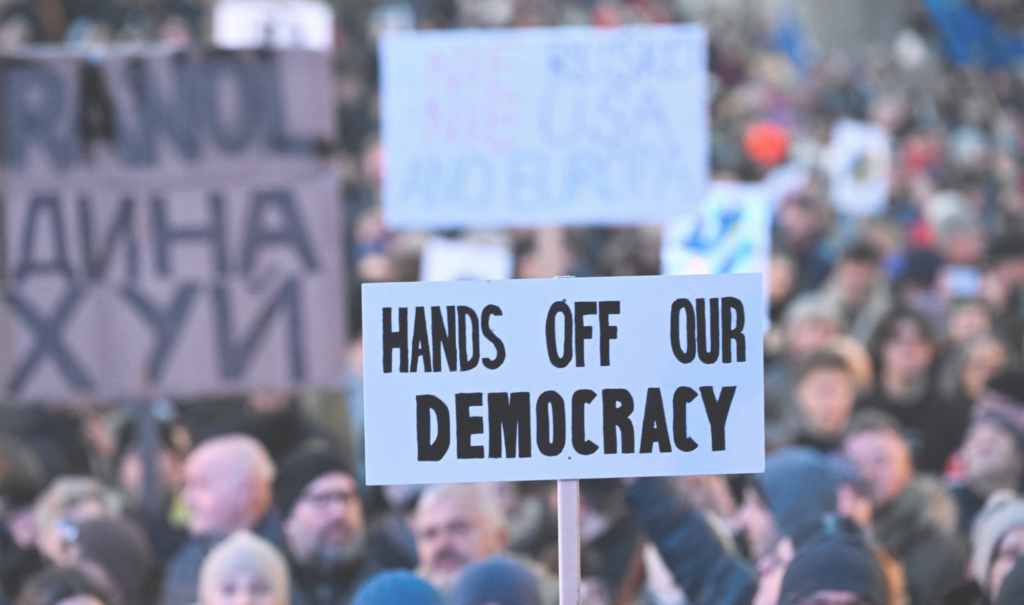
Three converging pressures facing civil society – and what it will take to respond
What civil society organisations in our TrustLaw network are telling us…
Read More
Democracy is in retreat. Here’s why that should alarm us all
Three powerful and interconnected…
Read More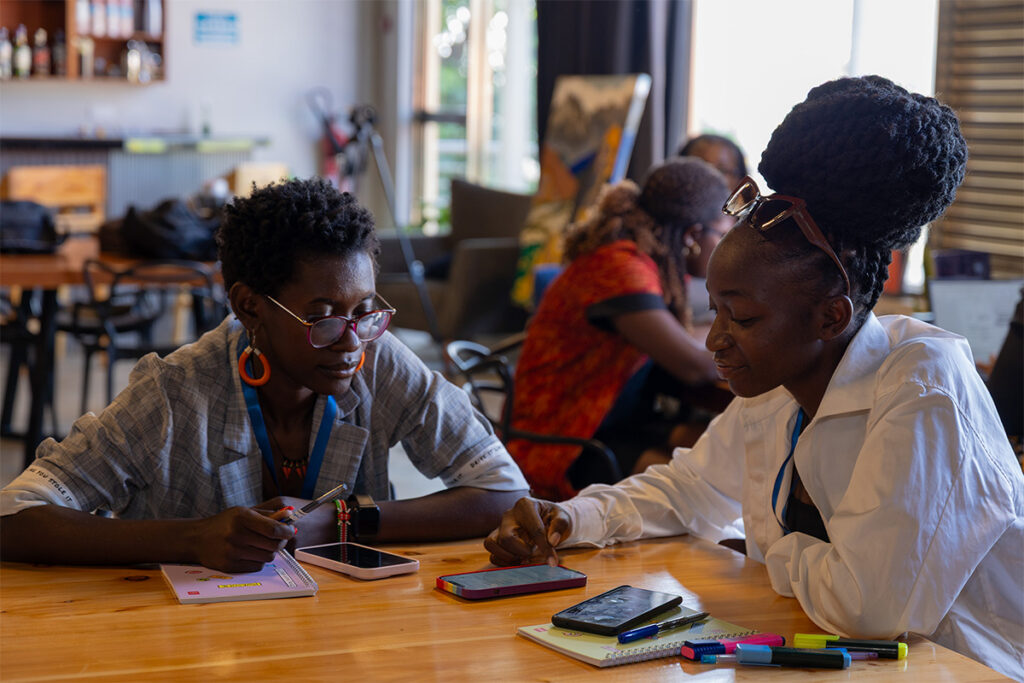
Collaboration between reporters and content creators is essential for defending informatifon integrity
At workshops in Kenya, the Thomson Reuters Foundation saw what true co-operation between…
Read More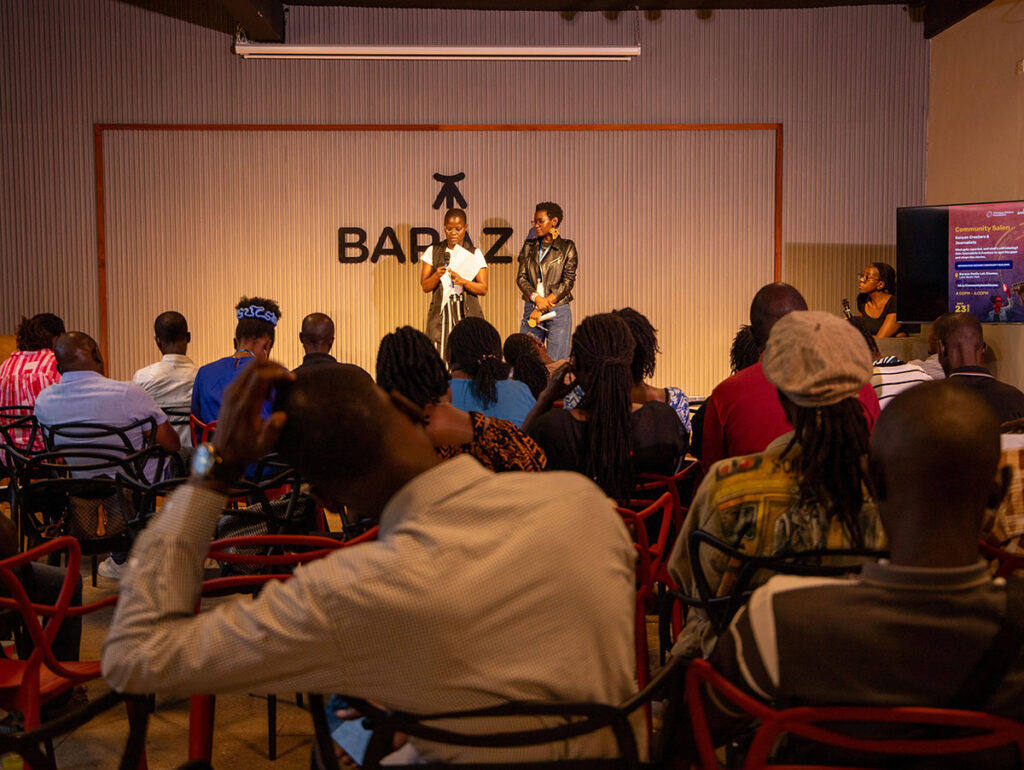
“I had a love-hate relationship with journalists…”
A journalist and a content…
Read More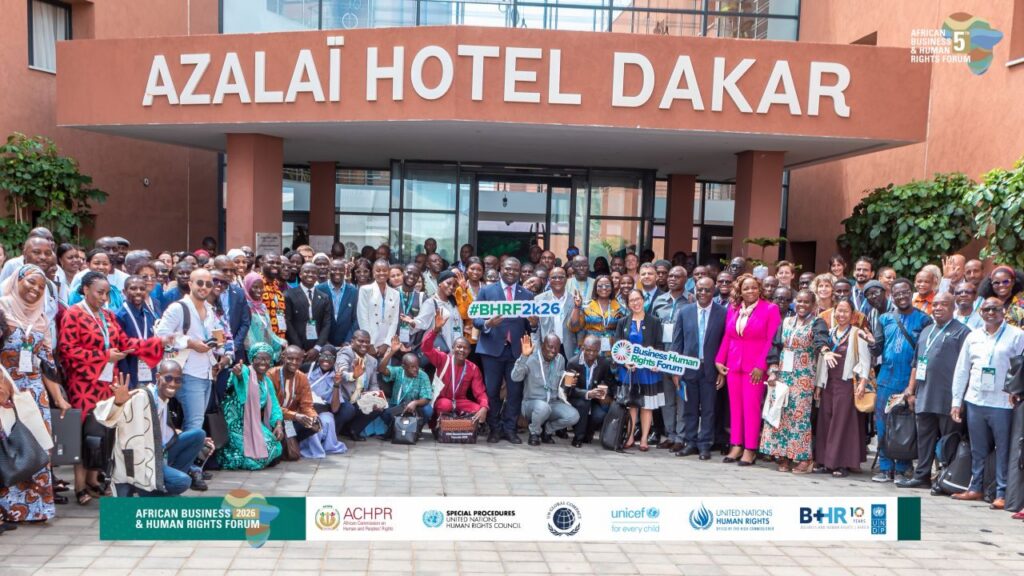
Working behind the scenes: Reflections from the 5th African Business and Human Rights Forum
A behind-the-scenes view of 5th African Business and Human Rights Forum -…
Read More
World News Day: every $1 invested in journalism can return $100 to society. So why are we letting it collapse?
Defending journalism is not just a moral responsibility. It’s an economic and democratic…
Read More
AI legislation is important in upholding universal human rights
Our Director of Responsible Business,…
Read More
How civil society can counter the rise of legal restrictions across Latin America
New…
Read More

