


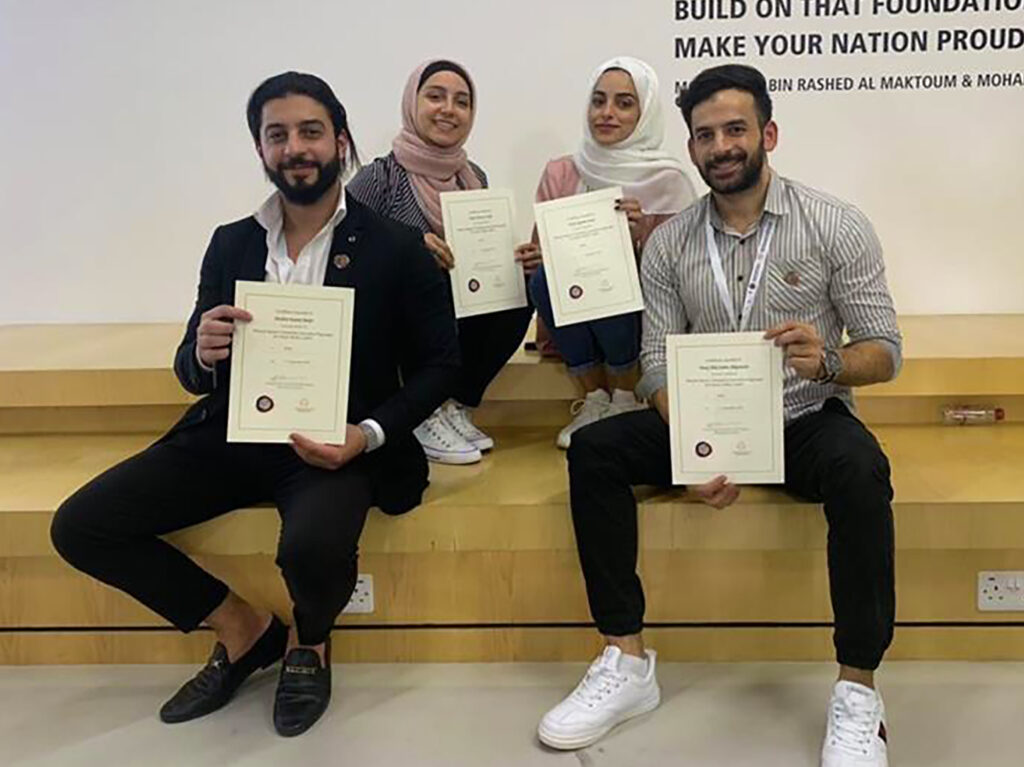
The Thomson Reuters Foundation opened the two-week Youth Arab Media Leaders Programme with intensive training designed to educate, empower and inspire future media leaders in the MENA region. Held in Dubai for its third year, more than 90 young Arab media professionals and influencers from across 18 countries attended the course from September 2-4, delivered by eight world-class trainers from the Thomson Reuters Foundation.
The Young Arab Media Leaders programme is an annual initiative run by the Arab Youth Center, under the guidance and patronage of H.H. Sheikh Mansour bin Zayed Al Nahyan, Deputy Prime Minister and Minister of Presidential Affairs. The programme provides students with a platform to connect with other aspiring media professionals, whilst also equipping them with the necessary skills needed to build a positive media ecosystem.
This year, both the Minister of State for Youth Affairs, Shamma bint Suhail Faris Al Mazrui, and the Prime Minister, Mohammed bin Rashid Al Maktoum, visited the group of students during the training.
Across the three days, students immersed themselves in a series of lectures, workshops and exercises covering a breadth of topics from media literacy, reporting and writing the news, media and social cohesion, to photo and video journalism. The young media professionals then had the opportunity to put their new skills into practice through crafting and presenting their own multimedia packages, with stories covering topical issues such as the isolating effects of social media, and Saudi-Emirati relations.
Ibrahim Malas, a student from Lebanon, said: “With all the divisions in the Middle East, the training has gathered nearly a hundred personalities from across the Arab world together. This has helped to break down stereotypes so that we can all build a better future and become better leaders in journalism.”
Tariq Alkamsheh from Syria added: “It’s really important that we know about the ethics and rules of the media. That’s what has been so great about the programme – it has taught us how to use media in the right way so that we can use it as a force for good.”
The three-day training culminated in a closing ceremony where Kamini Paul, Head of Institutional Partnerships at the Thomson Reuters Foundation, presented students with certificates and shared advice on how they can fulfil their promising potential as future media leaders.
The Dubai course was one of a series of media development and training courses that are being run around the world this year by the Thomson Reuters Foundation. From learning how to report on migration, to trafficking and slavery, find out more about our programmes here.
Share


Sign up to our newsletter
More News
View All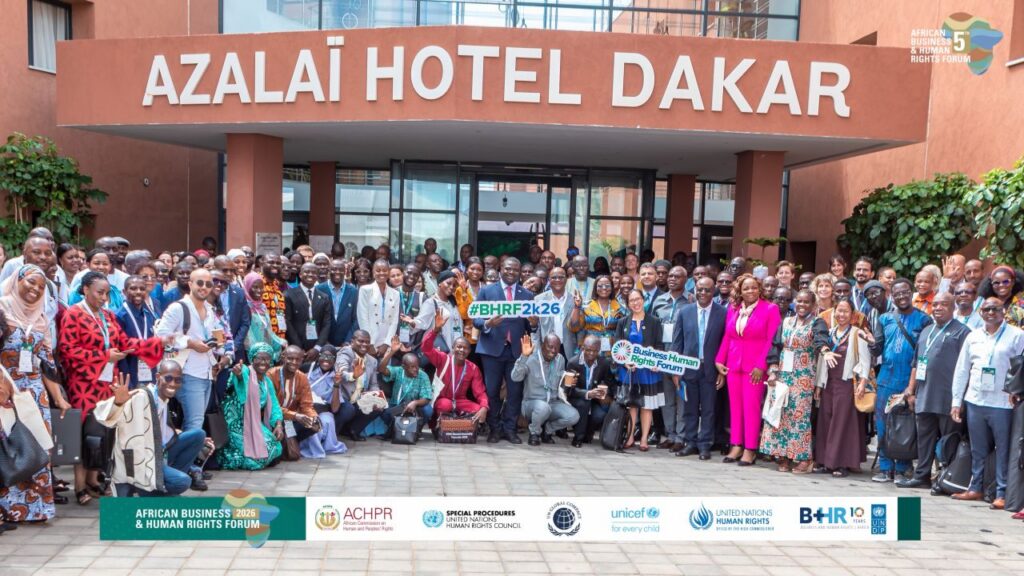
Working behind the scenes: Reflections from the 5th African Business and Human Rights Forum
A behind-the-scenes view of 5th African Business and Human Rights Forum -…
Read More
World News Day: every $1 invested in journalism can return $100 to society. So why are we letting it collapse?
Defending journalism is not just a moral responsibility. It’s an economic and democratic…
Read More
AI legislation is important in upholding universal human rights
Our Director of Responsible Business,…
Read More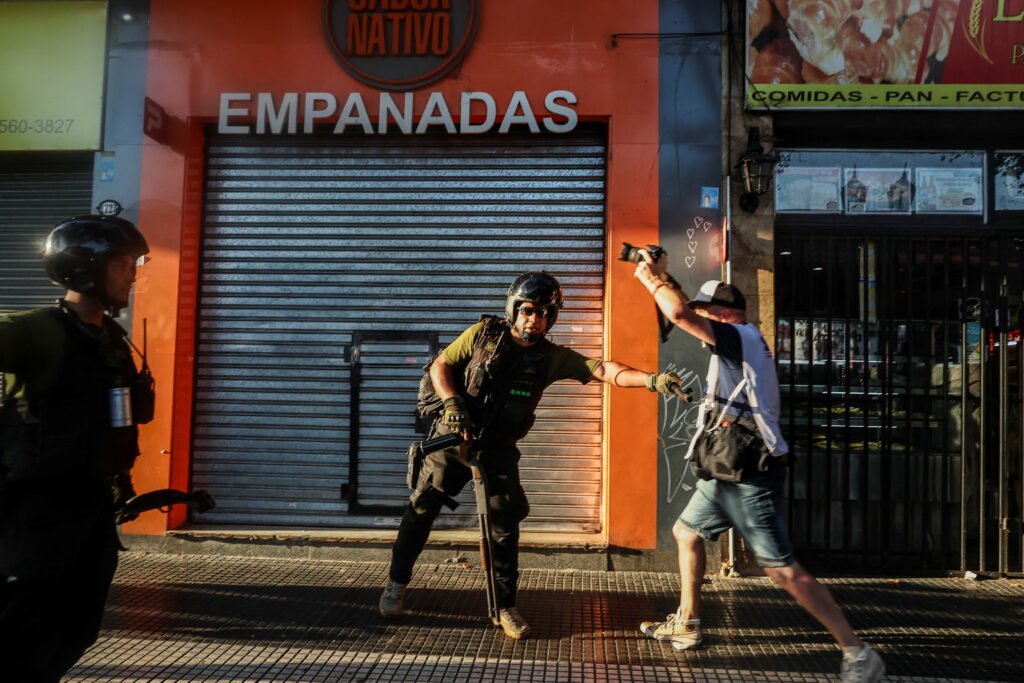
How civil society can counter the rise of legal restrictions across Latin America
New…
Read More
Legal support: a lifeline for civil society and democracy
How democracies become stronger when civil society…
Read More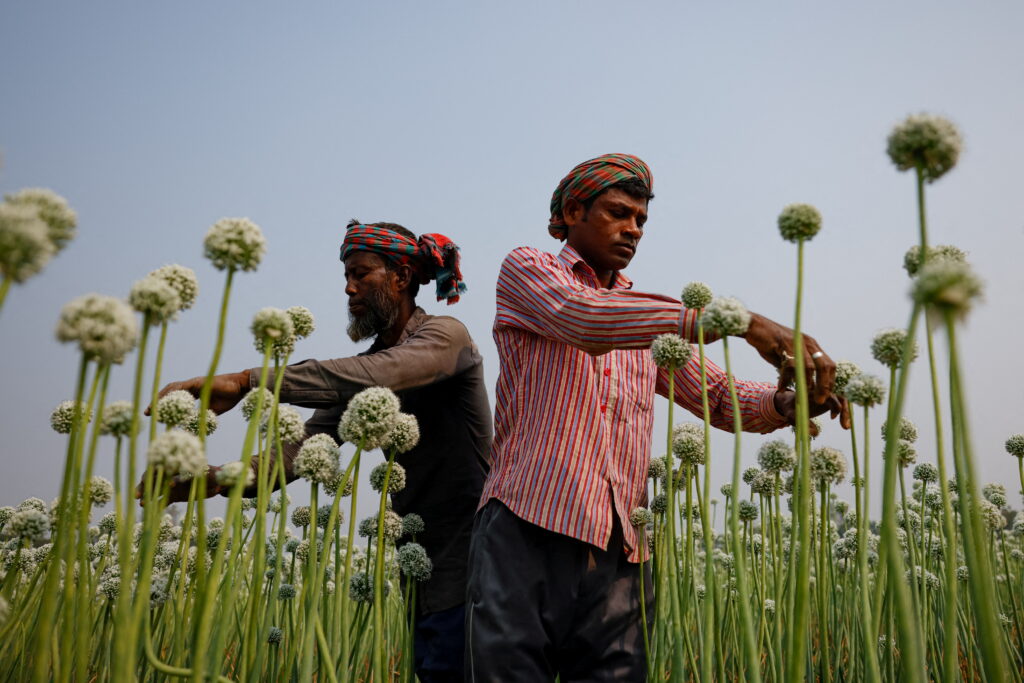
How upholding workers’ rights builds democratic resilience
How businesses treat their workers…
Read More
Protecting independent media is protecting democracy
How protecting independent media protects democracy itself.
Read More
What legal risks do content creators face? 5 key considerations for influencers
Content…
Read More
What the EU’s Procurement shift could mean for workforce disclosure
In the wake of the…
Read More
Why existing support for civil society can’t solve this crisis
Most support wasn’t designed…
Read More

