


“I learnt that while exploring these tools is exciting, it’s equally important to keep ethics in mind, making sure AI is used responsibly, fairly, and in ways that truly benefit people”. – Siposethu Matanga, Journalist, Pondoland Times
The rapid proliferation and expansion of AI in South Africa’s media sector presents a special opportunity for news outlets to improve their operations. Yet South Africa’s unique context – characterised by linguistic diversity and uneven digital access – means that an ethical and context-sensitive AI adoption approach is needed.
The feedback we gathered from the media ecosystem in South Africa also highlighted how a lack of AI policies and training opportunities was prompting journalists to take their own initiative, without support structures in place. These findings echoed insights summarised in the Foundation’s report – examining the use of AI in the Global South and emerging economies – where a majority of the 200 + journalists surveyed said that their newsroom had no established policy for AI, despite widespread usage. This increases the risk of AI-related missteps, such as unintentional bias or factual inaccuracies, which can impact reader trust and cause reputational damage. Ethical concerns were consistently raised in ecosystem feedback, reinforcing the need to support newsrooms in harnessing AI responsibly.
In response to this, and with support from Microsoft, the Foundation delivered a four-month programme to help four newsrooms in South Africa – The Mail & Guardian, AmaBhungane Centre for Investigative Journalism (amaB), Briefly News and Pondoland Times – leverage the potential of AI while minimising risk through establishing robust editorial policies and guardrails.
Developing AI-powered tools to address organisational needs
The participating newsrooms received bespoke mentoring by AI and journalism experts to develop AI adoption strategies and policies, a crucial step in laying the foundations for responsible AI adoption and innovation.
With the support of the mentors, the newsrooms identified practical applications for AI based on their organisational and business needs, and subsequently built AI tools that improved editorial efficiencies, enhanced audience reach, and streamlined processes. For example:
- Briefly News developed “Editorial Eye,” an AI-powered tool that assists with proofreading, style, and grammar checking. The tool has reduced manual copy editing, resulting in an increased output of 150-200 articles per day compared to 80-90 articles previously. This contributed to a 22% increase in page views over six months.
- AmaB developed a tool to package their in-depth investigations into more digestible and engaging multimedia formats, streamlining scriptwriting processes and making complex stories more accessible to new audiences.
- Pondoland Times developed a tool to auto-post content on social media and is currently working on enhancing its digital storytelling capabilities through an AI-generated avatar that will read the news flash. Their website traffic has increased from 2.4 million to 10 million monthly impressions for three consecutive months, correlating with a revenue increase of 20,000 ZAR in one month.
- Mail & Guardian developed a sub-editing tool that automated various processes, such as grammar checks, headline generation and hashtag suggestions, which has halved the amount of time previously spent on these tasks.
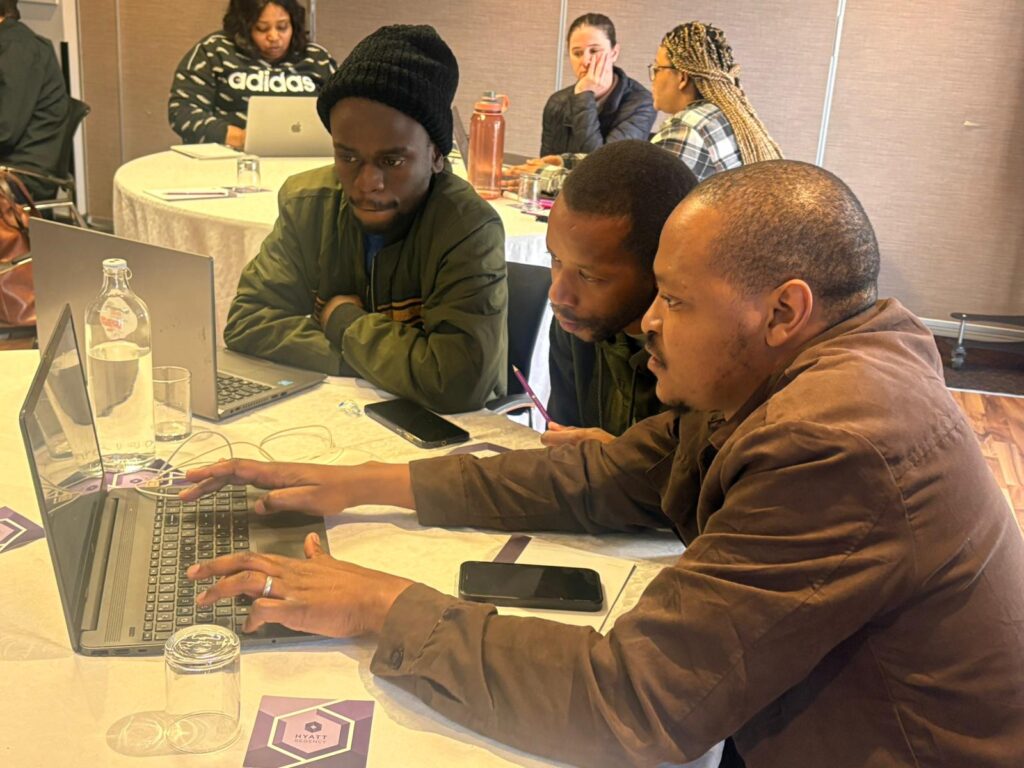
Deeper understanding of AI fundamentals and ethics
Throughout this process, newsrooms became empowered to use AI tools with confidence after initial reservations about potential job displacement and ethical breaches. The project reinforced their understanding of human oversight as a key component in ethical AI practices.
“Our primary goal was to ensure that what we were doing within the space was creating a tool that would assist our team rather than replace them, and ensure our readers continued to get content that was thought out from a human perspective.
The sub-editing [function] is basically marking your homework effectively. It’s used as a tool that is backstopped by human intervention the whole way along, and it requires human creative capacity and human creation to develop it”. – Douglas White, Circulation and Subscription Officer, Mail & Guardian
A shift in perception
This programme also facilitated close collaboration between participants, as they had the opportunity to learn from others in the industry.
“It was also an amazing opportunity to meet people from other newsrooms and group share in a safe and conducive space”. – Rianette Cluley, Director and Media Project Manager, Briefly News
“I think for too long we’ve viewed each other as adversaries in this space. And when you come together in a place like this, you realise that it’s not adversarial. It’s collaborative”. – Douglas White, Circulation and Subscription Officer, Mail & Guardian
Marking an important change in attitude and perception, the collaboration between participants and mentors fostered an environment geared towards peer learning that was based on trust and respect – crucial to the programme’s success.
Share


Sign up to our newsletter
More News
View All
Responsible AI adoption: What companies should know
As AI becomes embedded across economies and workplaces, the…
Read More
World’s largest dataset shows companies are adopting AI much faster than they are governing it
The Thomson Reuters Foundation has released its findings on the global corporate…
Read More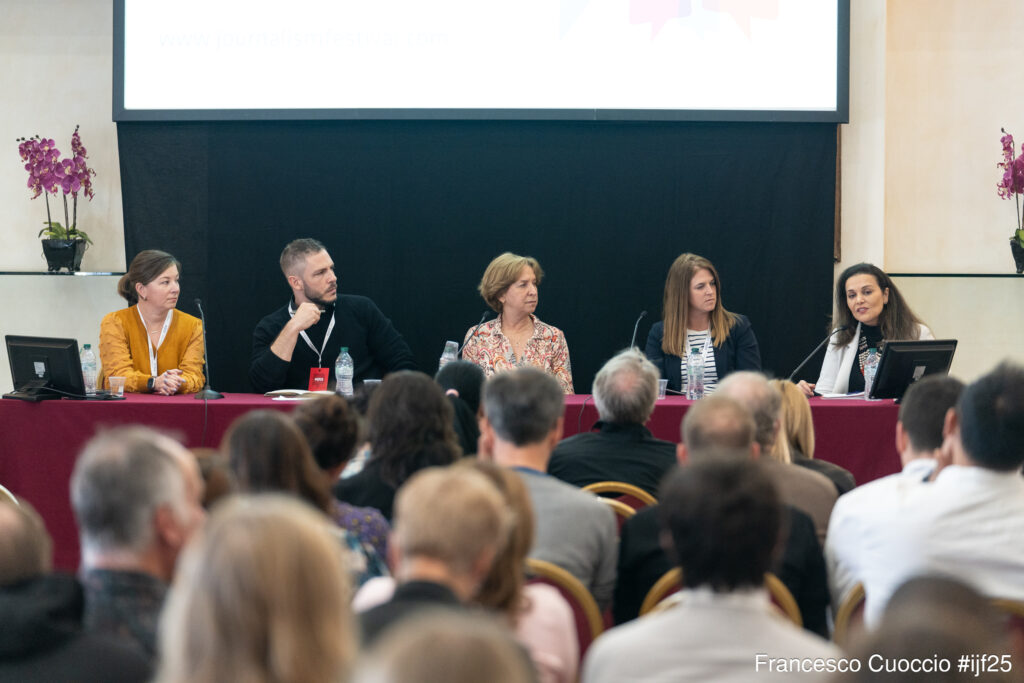
Perugia International Journalism Festival 2026: Where to find us
This year, we’ll be discussing the…
Read More
Welcoming our new Director of Insights & Innovation, Rebecca Vincent
We are delighted to…
Read More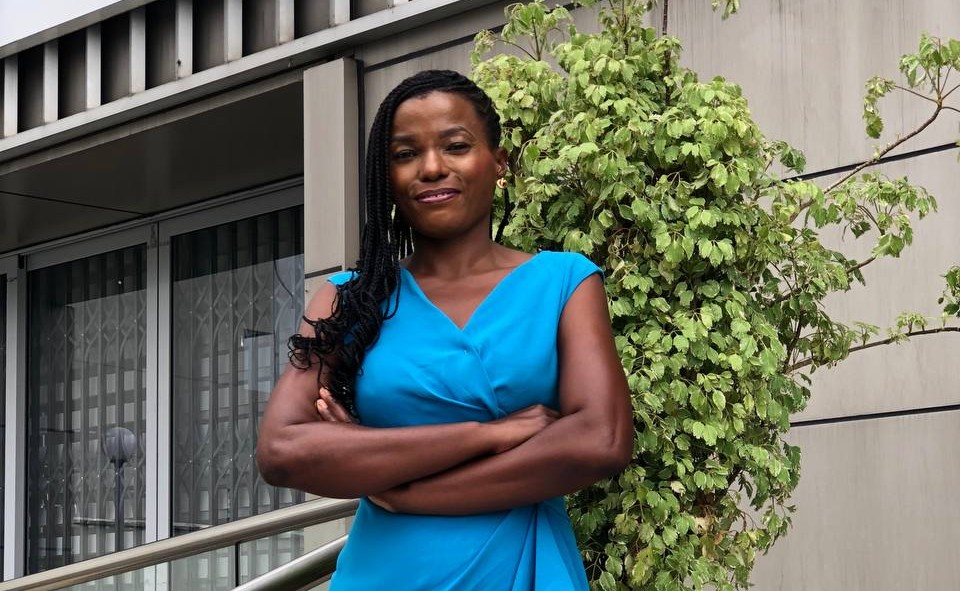
Supporting women’s participation in financial investigative journalism in sub-Saharan Africa
We supported women’s participation in business reporting and enhanced…
Read More
Welcoming our new chairman – and honouring a remarkable legacy
Our CEO, Antonio Zappulla,…
Read More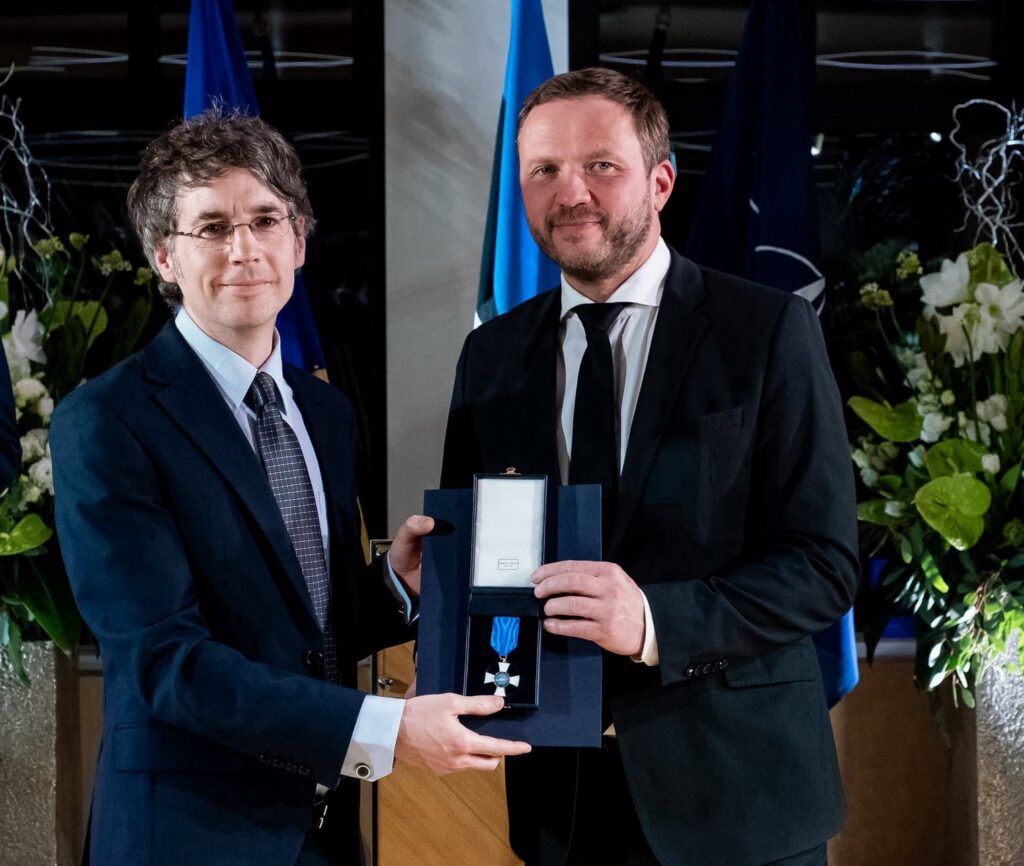
How the MFC Secretariat supports the Media Freedom Coalition to protect independent media at home and abroad
The MFC Secretariat, hosted by the Foundation, was awarded the Cross of Merit from the…
Read More
Statement on the Closure of the Context News Brand
A statement on the Closure of the Context News Brand from…
Read More
Supporting media and CSOs to curb illicit financial flows across sub-Saharan Africa
We…
Read More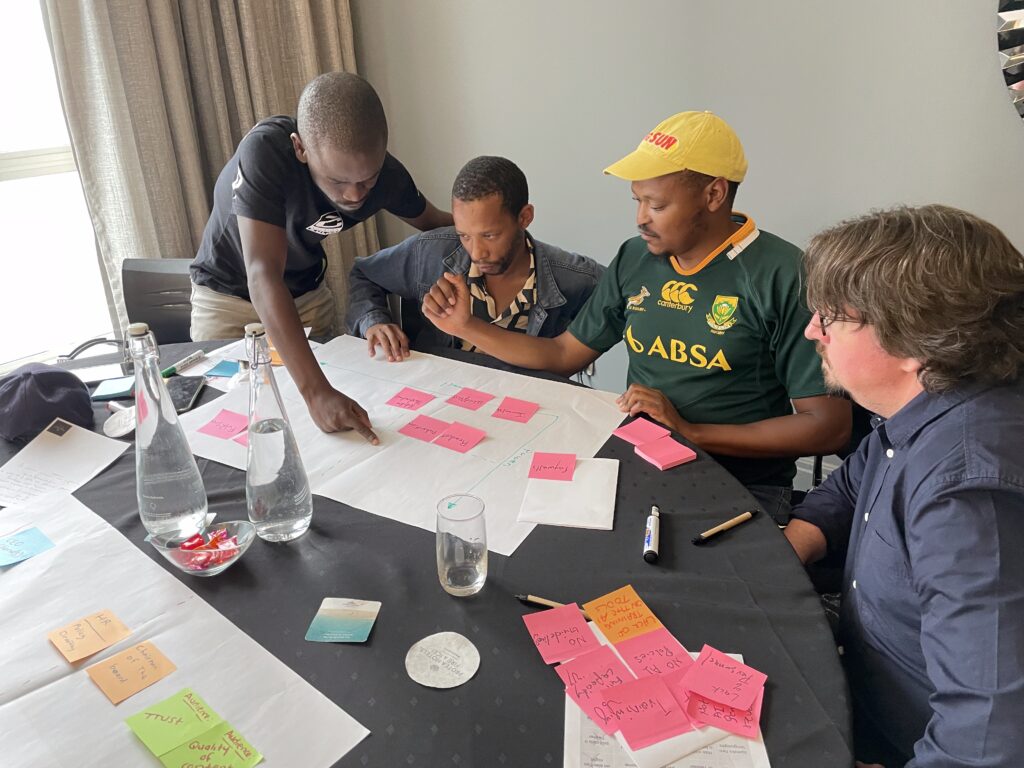
Our impact in 2025: Building resilience in a turbulent year
Our CEO Antonio Zappulla reflects on 2025:…
Read More

