


How training, mentoring and story grants from the Thomson Reuters Foundation bolstered media and civil society’s approach to understanding and tackling illicit financial flows (IFFs).

Africa is estimated to lose approximately USD 88.6 billion – equivalent to 3.7% of its GDP – to IFFs every year. IFFs refer to ‘money illegally earned, transferred, or used that crosses borders’. They can have significant consequences, such as reducing revenue and resources available for economic growth and hampering social progress and national stability.
Weak accountability and limited transparent oversight of how resources are used to address IFFs can leave people vulnerable. That’s why it’s important to engage key sector groups – such as the media, civil society organisations (CSOs), businesses and policymakers – to tackle these crimes.
Yet journalists across the region face growing threats that make it harder to report on financial crimes: deterioration of media freedom, worsening safety conditions, and insufficient financial literacy training. Meanwhile, CSOs see their advocacy efforts constrained due to harsh regulatory environments, less funding, and other administrative challenges.
Therefore, robust cooperation and collective effort between journalists and CSOs are paramount in combatting IFFs – strengthening not only their work, but each other’s too. This is why, alongside the Norwegian Agency for Development Cooperation (NORAD) we have been leading efforts to help build their skills and resources.
Strengthening media and civil society’s approach to exposing tax issues
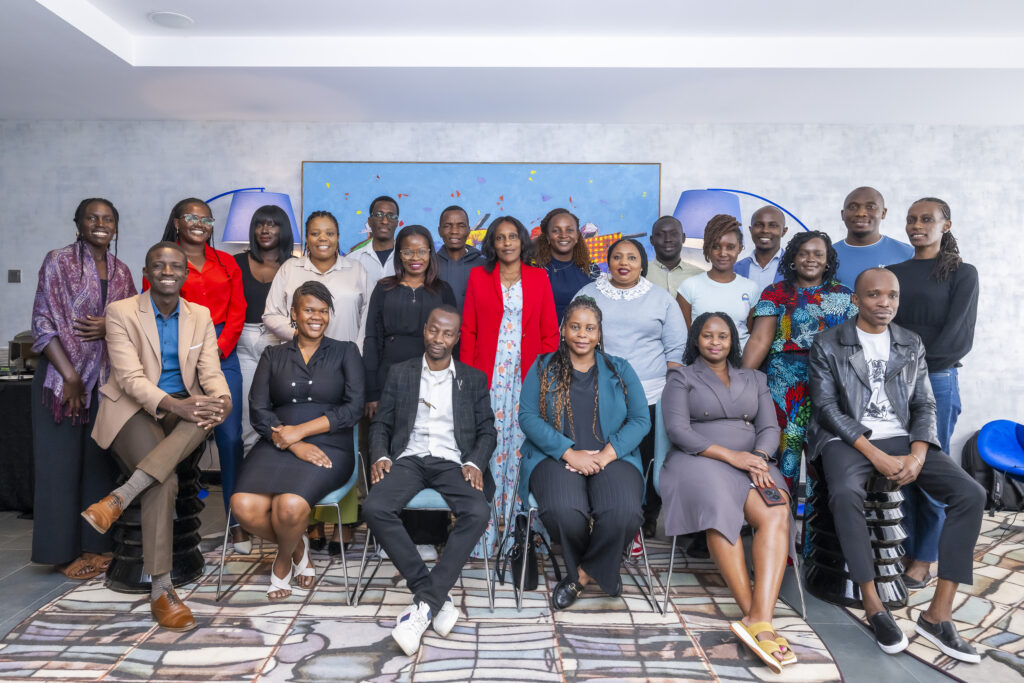
We recently closed out our 15-year partnership NORAD, where we trained and mentored a total of 893 journalists across sub–Saharan Africa to improve the quality of financial and business reporting. We also expanded our support to 50 CSOs in 2023 in recognition of the multiple groups involved in combatting the issue.
Since 2023, we have provided training, mentoring, and story grants to 131 journalists to enhance their abilities to report on IFFs – with a total of 86 stories on IFFs published.
Through our legal service TrustLaw, we assisted CSOs by providing pro bono legal research support that strengthened their advocacy work, and training on IFF-related themes – such as laws and policies governing mining, domestic resource mobilisation, taxation and governance mechanisms – in addition to conducting Legal Health Checks to support and protect their operations.
The programme also initiated cross-sector collaboration between media, CSOs, the private sector and policy actors on responsible tax and financial practices.

Before being trained on IFFs, I had never written about them. Previously, I had little knowledge around the topic, and when I received the training, I was fresh from journalism school and didn’t know how to detect IFFs or pitch a story. This training was a key opener for me.
Supporting journalists to report on IFFs
At the end of the training, journalists reported having a more nuanced understanding of IFFs which helped to develop their investigative reporting skills. Some felt more confident in pitching stories, whilst others said they could now work with sources they previously couldn’t access or noted they were better able to avoid legal challenges.
A lot has changed [because of the training]. I improved my reporting and writing skills. Thanks to the training, I now weigh all angles and understand how to write about IFFs.
Mentoring played a crucial role in enabling journalists to understand the complexities of IFF reporting, moving away from case-based reporting towards analytical and accountability-focused journalism.
The training gave me the confidence and the analytical eye to see what was happening around me.
Several journalists also reported that they are continuing to report on IFFs, while others noted how their story inspired media outlets to develop more stories on the topic.
I’m proud of being responsible for this kind of exposure and the opportunity to work with fellow journalists in the same sector. The training paved the way for my interest in writing about IFFs and shaped my way of pitching that captures the human perspective – changing from simply writing to writing for impact.
Reporting that drew attention
Beyond acquiring new skills, journalists in South Africa, Tanzania and Ghana reported the wider impact of their stories.
- Fidelis Zvomuya wrote a story about the role of women in rhino-poaching syndicates – opening a new national conversation on the topic. His story caught the attention of leading news outlets, and he was also contacted by Sanlam – a South African financial services group – who submitted his story as part of their annual journalism awards. Fidelis is now contracted by New South Institute – a public policy think tank – as a resident journalist to continue writing about women and poaching. Read more about how this training transformed his approach to investigative reporting.
- Matonyinga Makaro penned an article highlighting the concerns around foreign national investors acquiring small-scale mining licenses in Tanzania – despite legal prohibitions against foreign nationals holding such permits. His story circulated widely on social media, and he reported being contacted by TAKUKURU – an anti-corruption agency – who claimed they were investigating the matter.
- In Ghana, Kweku Bolten investigated the growing phenomenon of mobile money fraud in the country. He reported that his story contributed to the debate around digital financial crimes, with over 20 republications across national newsrooms, and features in morning talk shows. It was further highlighted that the cybersecurity authority in the country used leads from the article to pursue follow up investigations, resulting in 32 arrests.
Strengthening civil society’s understanding of IFFs
In facilitating access to free legal research and conducting training on IFF-related issues, CSOs gained a greater understanding of previously inaccessible IFF-related content, becoming more confident in engaging with media and policymakers, and helping to enhance their advocacy skills.
Before the training, IFFs were often seen as a technical or inaccessible topic, but the sessions under the TRF programme made it easier to understand and communicate.
Partnering more effectively
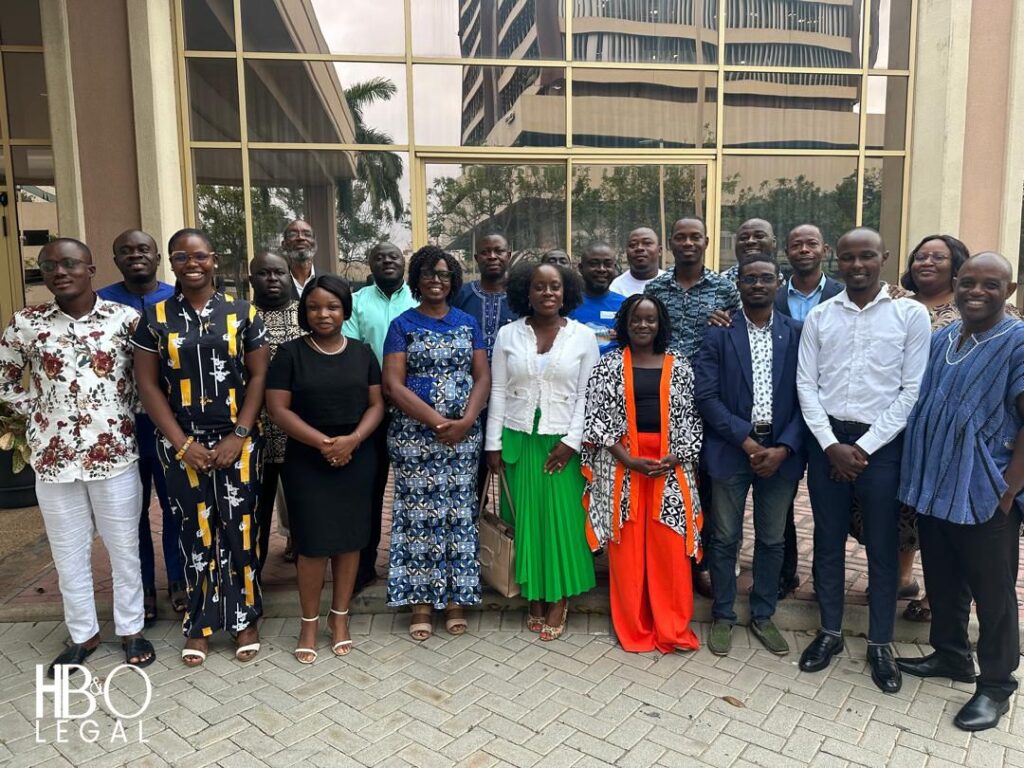
The training also gave previously siloed CSOs the opportunity to collaborate with one another, as well as with participating journalists.
- Jamii Africa built a new relationship with the Tanzania Anti-Corruption Network that resulted in a partnership on an anti-corruption project.
- A Tanzanian CSO hired a journalist who had participated in the training as an investigative reporter to support their work on governance and accountability.
- Two CSO participants stayed in contact with journalists from the training and now draw on them as expert sources – supporting their ongoing IFF advocacy work.
[The sessions were] valuable opportunities to connect with actors working on related issues such as governance, asset recovery, and financial transparency.
Reporting and advocacy driving transparency and accountability
By working with media to strengthen their skills and knowledge to report on IFFs, and CSOs to scale their advocacy efforts, we contributed to broader systemic efforts to curb IFFs across sub-Saharan Africa.
In doing so, we champion greater transparency as a key pillar in advancing responsible business practices. Our commitment to promoting high-quality, public-interest journalism that holds power to account also contributes to longer-term efforts to combat IFFs.
Subscribe to our newsletter to stay informed about our ongoing work.
This training fundamentally shaped how I see myself as a journalist and how I report. One of the biggest shifts [I experienced] is not just looking at the final story [but developing] a deeper sense of responsibility in ensuring accountability.
Share


Sign up to our newsletter
More News
View All
Responsible AI adoption: What companies should know
As AI becomes embedded across economies and workplaces, the…
Read More
World’s largest dataset shows companies are adopting AI much faster than they are governing it
The Thomson Reuters Foundation has released its findings on the global corporate…
Read More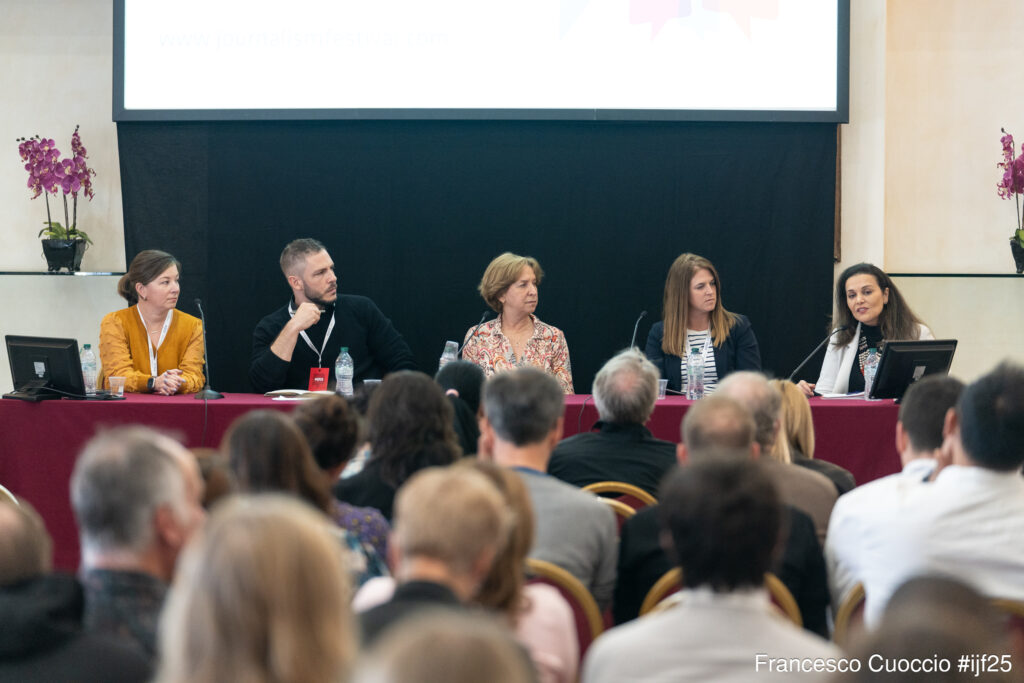
Perugia International Journalism Festival 2026: Where to find us
This year, we’ll be discussing the…
Read More
Welcoming our new Director of Insights & Innovation, Rebecca Vincent
We are delighted to…
Read More
Supporting women’s participation in financial investigative journalism in sub-Saharan Africa
We supported women’s participation in business reporting and enhanced…
Read More
Welcoming our new chairman – and honouring a remarkable legacy
Our CEO, Antonio Zappulla,…
Read More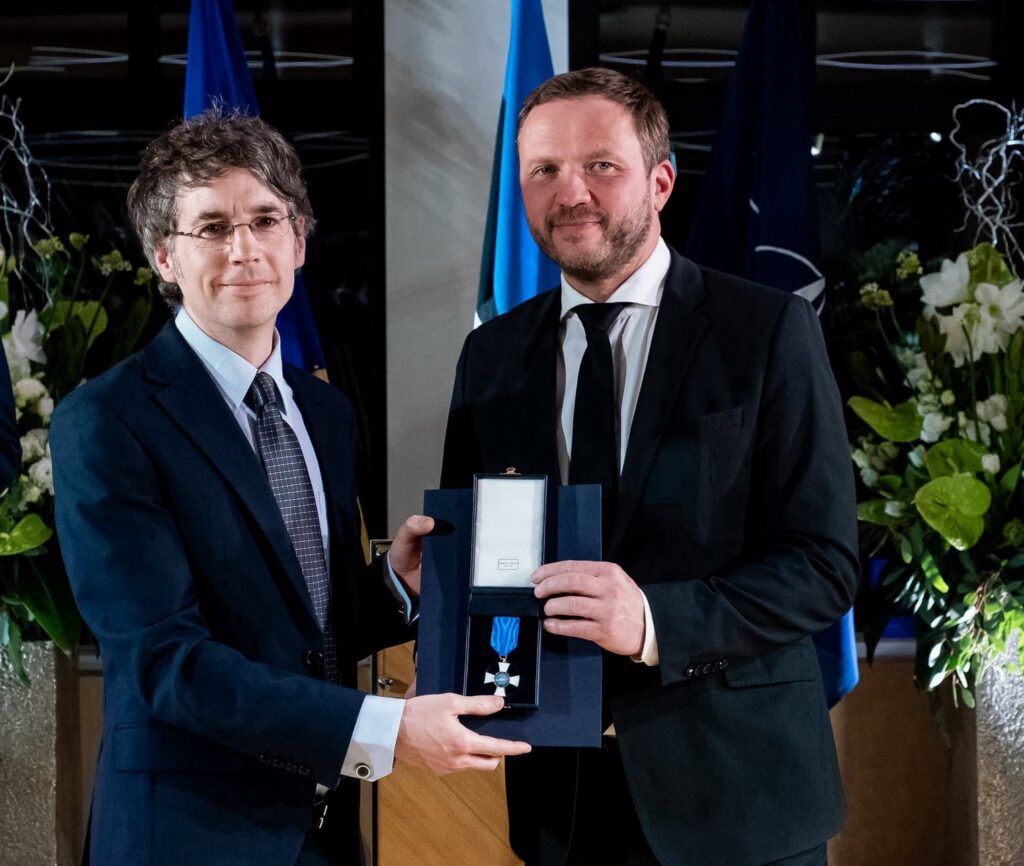
How the MFC Secretariat supports the Media Freedom Coalition to protect independent media at home and abroad
The MFC Secretariat, hosted by the Foundation, was awarded the Cross of Merit from the…
Read More
Statement on the Closure of the Context News Brand
A statement on the Closure of the Context News Brand from…
Read More
Our impact in 2025: Building resilience in a turbulent year
Our CEO Antonio Zappulla reflects on 2025:…
Read More
Uncovering illicit financial flows: Training that transformed one journalist’s approach to reporting
Find out how training from the Thomson Reuters Foundation transformed Fidelis…
Read More

