


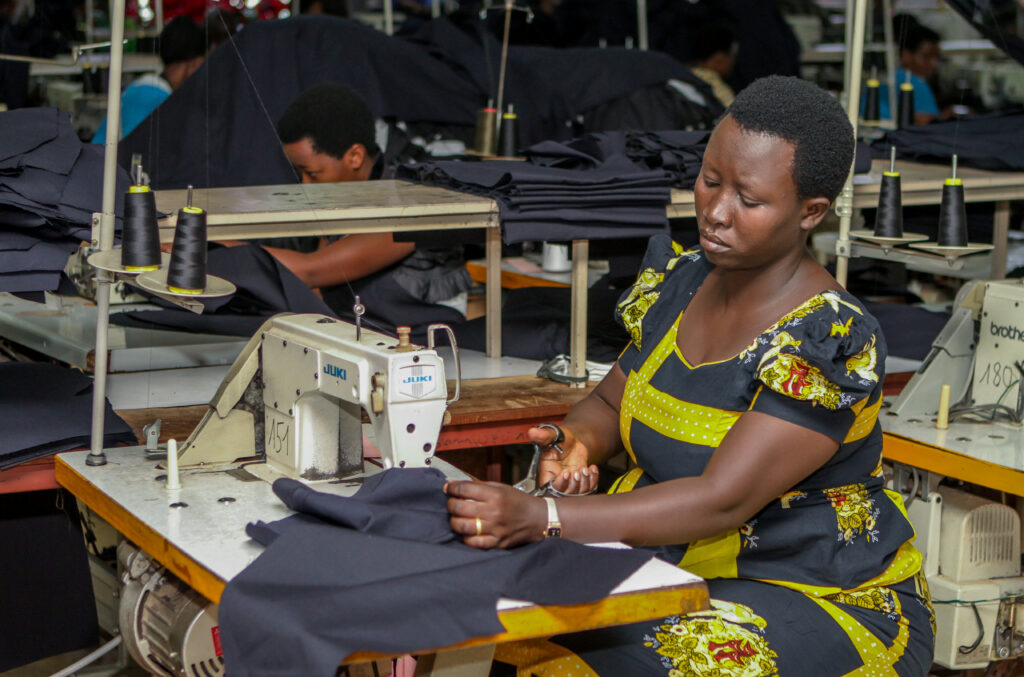
Christine Mungai – a writer and journalist in Nairobi, Kenya – reflects on her experience training a cohort of journalists and communications officers for the Thomson Reuters Foundation’s six week “Reporting and Communicating on Women’s Economic Justice in Africa” programme.
As media professionals, how we frame an issue largely determines how the public receives, processes, and understands it. Our framing also sets the stage for a few solutions to be on the table, while foreclosing on other possibilities.
When it comes to the barriers women face that prevent them from realising their full economic potential, media professionals have for too long presented women as the problem that need fixing – perhaps they need to be “more assertive” in negotiating for better pay, be more willing to work long hours, or be ready to become entrepreneurs if they find their careers stalled.
But underlying all these are structural, systemic barriers, such as the vast majority of unpaid care work around the world falling on women, or that many women are engaged in precarious work in the informal economy, or even that tax and trade policies frequently have gendered impacts that leave women worse off.
Against this backdrop, the Thomson Reuters Foundation’s “Reporting and Communicating on Women’s Economic Justice in Africa” training, held over a six-week period in November and December 2022, aimed to reframe the conversation and challenge conventional wisdom around what it would take for women to achieve full economic justice in Africa.
Instead of taking the familiar angle that tinkers around the edges of the issue by encouraging women to be more outgoing, ambitious, and entrepreneurial, this time the focus was on the core of the problem – the structural injustices that need fixing that contribute to persistent gender inequalities, limiting women’s ability to achieve their highest potential and provide for themselves and their families.
The training brought together 11 journalists and seven communications officers from various non-profits, drawn from across Eastern and Southern Africa, exploring systemic issues facing women in the economic sphere including unequal pay, the care economy, the gendered impacts of taxes and austerity, and labour rights, all from a ‘solutions journalism’ perspective.
As co-trainer and a working journalist myself, I found this approach refreshing, because I’ve been to many trainings and have covered many stories that focused on financial inclusion and encouraging “bootstraps” entrepreneurship for women, but over time it became clear that this framing was not getting to the heart of the issues at hand. Guest speakers enriched the sessions with their experiences and insight too, including a seminar on feminist economic theories that pushed even my own convictions about what a just economy could look like for women.
After the training, I have been involved in a separate project with a large international media house, curating a story series that seeks to tell stories of marginalised women from across the Global South. I was pleased to note that nearly half the journalists’ cohort in this Thomson Reuters Foundation training pitched ideas for that story series, and all of them made it on the longlist, out of nearly 400 pitches – a testament to the strength of their ideas. At the time of this writing, the shortlist and commissioned stories are yet to be finalised.
I’m hopeful that the impact of this training will continue to be felt in newsrooms across Africa and beyond, as media professionals work towards a more just and equitable society for women.
Share


Sign up to our newsletter
More News
View All
AI legislation is important in upholding universal human rights
Our Director of Responsible Business,…
Read More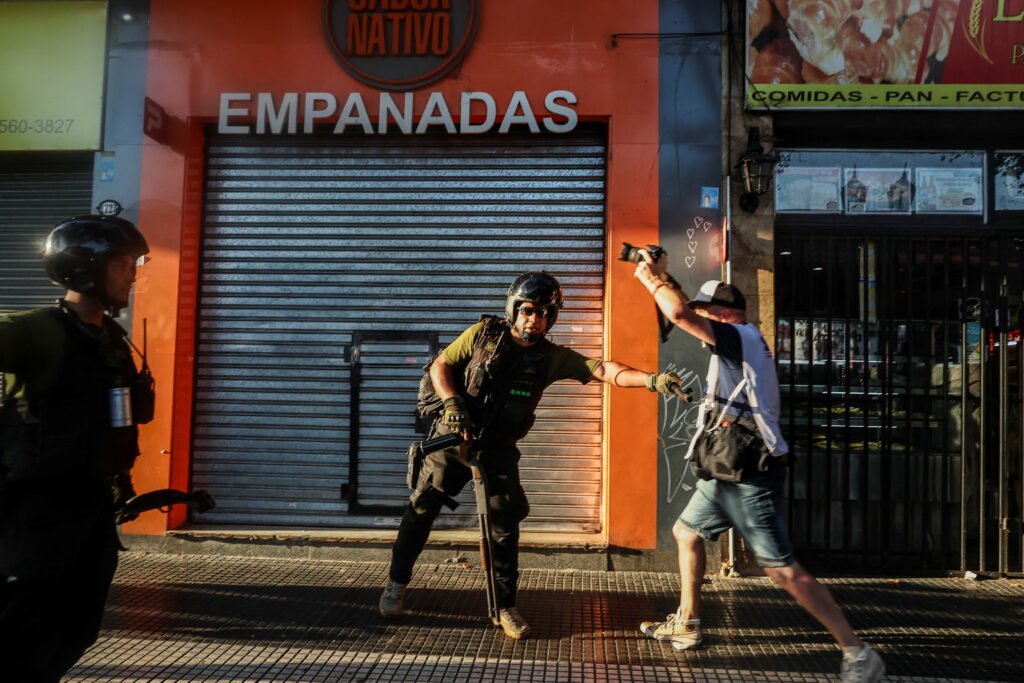
How civil society can counter the rise of legal restrictions across Latin America
New…
Read More
Legal support: a lifeline for civil society and democracy
How democracies become stronger when civil society…
Read More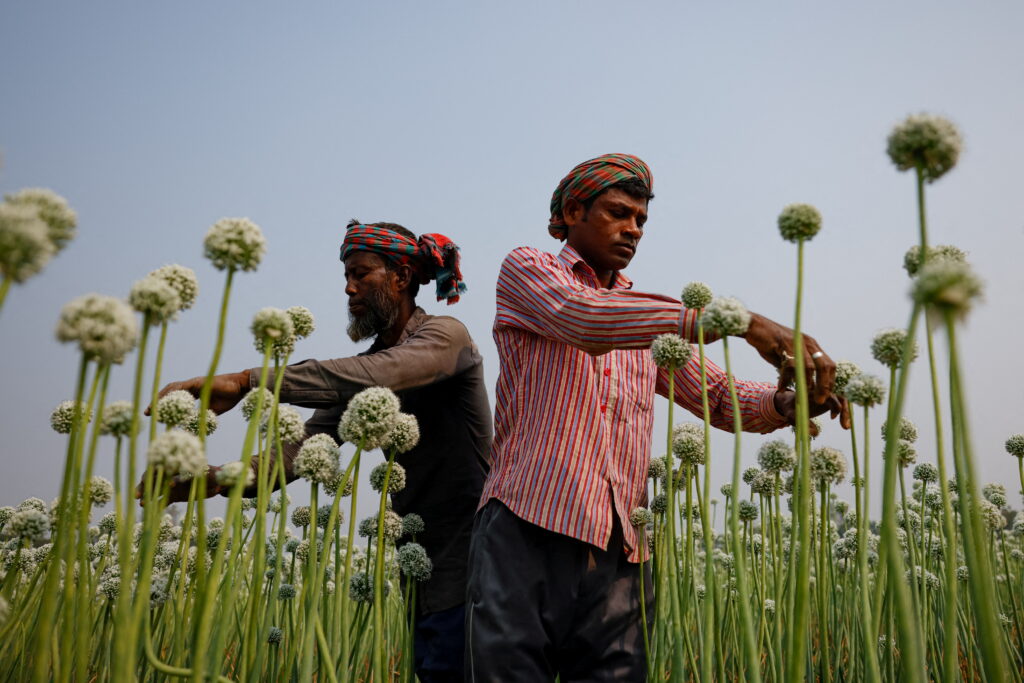
How upholding workers’ rights builds democratic resilience
How businesses treat their workers…
Read More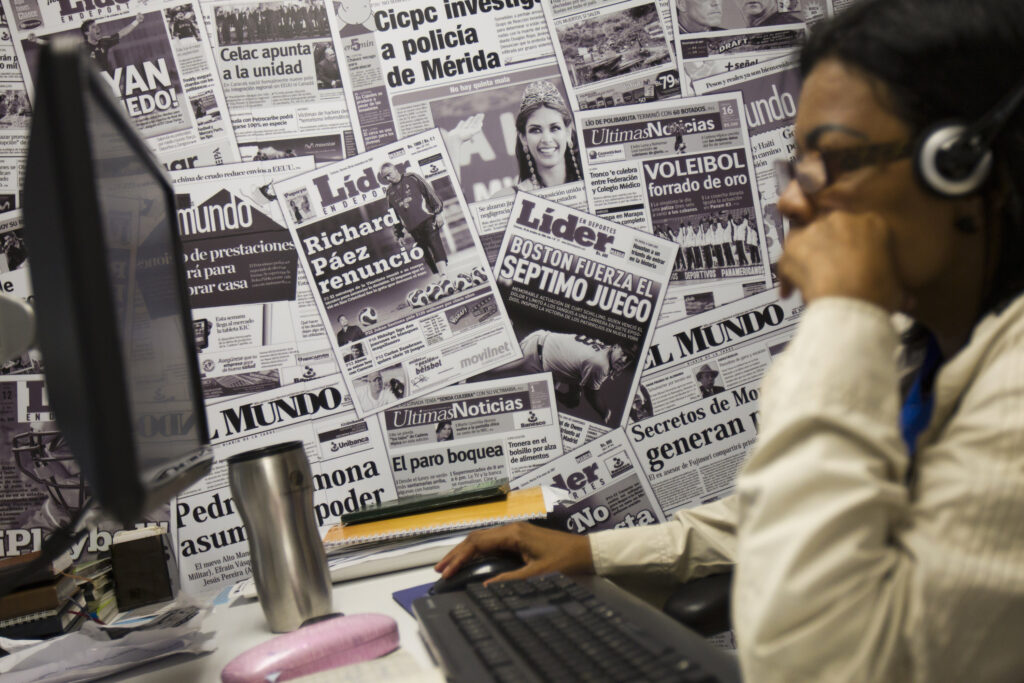
Protecting independent media is protecting democracy
How protecting independent media protects democracy itself.
Read More
What legal risks do content creators face? 5 key considerations for influencers
Content…
Read More
What the EU’s Procurement shift could mean for workforce disclosure
In the wake of the…
Read More
Why existing support for civil society can’t solve this crisis
Most support wasn’t designed…
Read More
What happens when content creators and journalists come together?
Our Multimedia Editor for Openly,…
Read More
Constitutional protections are not enough to defend press freedom: what our research in South Africa shows
South Africa’s constitutional protections for press freedom are among the strongest on the…
Read More

