



Historically, access to legal services has appeared to be an insurmountable challenge in Zambia, although the law seeks to achieve an inclusive justice system that recognises the needs of various litigants. Firstly, Article 18 of The Bill of Rights provides for every person’s right to a fair hearing, which includes the right to be represented by their chosen representative or through legal aid.
The delivery of pro bono services in Zambia has largely been driven by institutions set up for this objective, such as the Legal Aid Board, National Legal Aid Clinic for Women and NGOs that carry out public interest litigation. Additionally, commercial law firms, such as Mweshi Banda & Associates Legal Practitioners, have adopted a culture of providing pro bono commercial advisory services.
The fallout from the global coronavirus pandemic has made the provision of pro bono services, especially in litigation, more challenging. This is due to limited interactions between practitioners and clients, reduced court infrastructure owing to the need for social distancing, and a rise in inflation and fuel prices further restricting resources and manpower – particularly affecting rural parts of the country which do not have law firms or courts operating there. Both the private sector and the government have been driven to respond. The Law Association of Zambia’s (“LAZ”) 2022 initiative, the ‘Pro bono Framework Policy for the Provision of Legal Aid by Lawyers’, in partnership with the Legal Aid Board, aims to encourage private practitioners to take up at least one pro bono case annually. In years past, similar initiatives have been launched by LAZ. Unfortunately, the uptake and or conclusion of cases has been low due to pro bono litigation services being unpopular on account of the billable hours lost, the often uncertain duration of litigation and resources expended by law firms. It is hoped that the 2022 initiative will have more positive outcomes.
The Legal Aid Board also has in place a national training scheme for paralegals in Zambia to boost numbers while the National Legal Aid Policy of 2018 has established a more coordinated and institutionalized framework for access to justice. The enactment of the Legal Aid Act of 2021 is another notable achievement. Furthermore, the Ministry of Justice, with support from the German Agency for International Cooperation and the European Union, created an “Access to Justice Program” in various parts of Zambia’s provinces to improve access to justice. Considering these various initiatives, the future of pro bono services in Zambia looks very promising.


More Impact Stories
View All Impact Stories
Securing protections for marine protected areas in Europe
Pro bono legal research by Hogan Lovells…
Read More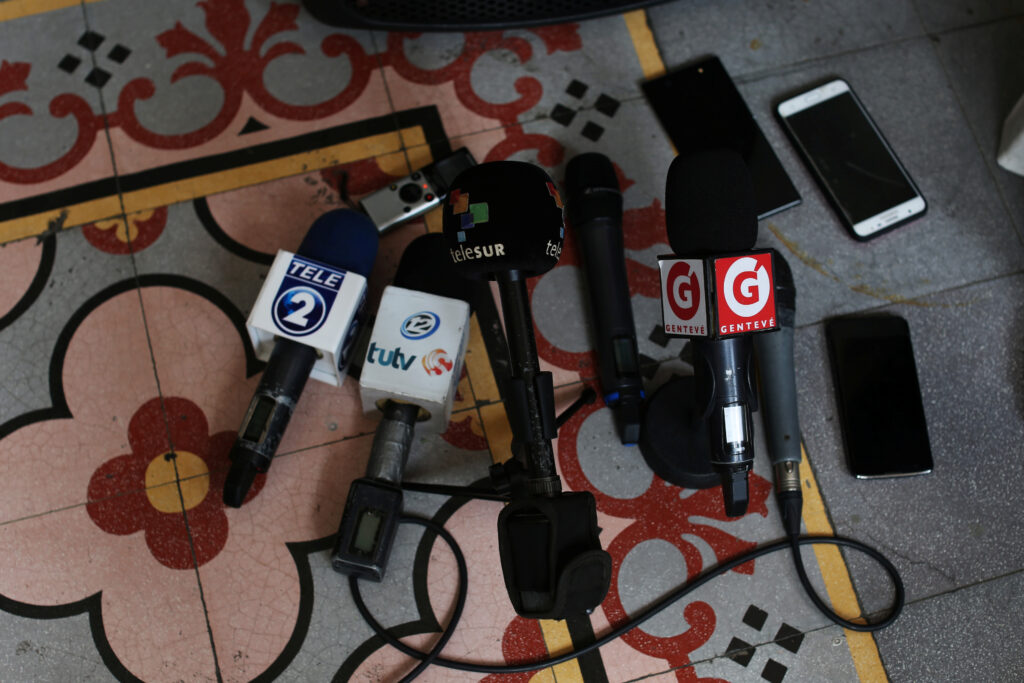
Protecting independent media under legal threat in El Salvador
SembraMedia used pro bono legal advice…
Read More
Improving access to philanthropic giving across Asia
Pro bono support provided by Dechert LLP helped AVPN…
Read More
Pro bono as a force for good: An interview with Cynthia Mudaye
Cynthia Mudaye from Mudaye & Co….
Read More
How in-house counsel is shaping the future of pro bono
Representatives from MSD explore how to strengthen the…
Read MoreBuilding the pro bono infrastructure needed across East Africa
Cathy Mputhia, CEO of C. Mputhia…
Read More5 tips to building a robust pro bono programme
Katie Marquart, Partner and Pro Bono Chair at Gibson Dunn, shares…
Read More
Reporting with empathy: one journalist’s journey to allyship
Discover how training from the…
Read More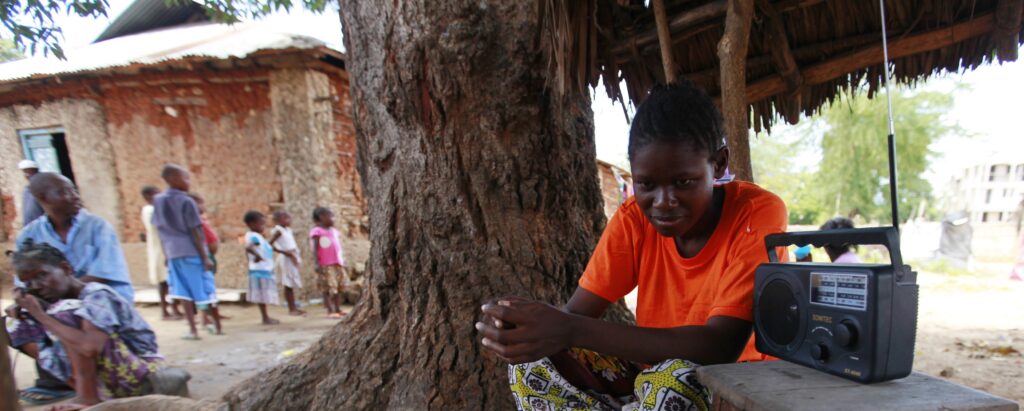
Shielding community journalism: How pro bono legal expertise broke the cycle of self-censorship for one Kenyan radio station
How pro bono legal support helped Kenyan radio station Radio Domus update editorial policies, ending…
Read More
Combatting international corruption: The pro bono research behind the landmark Foreign Extortion Prevention Act
Discover how pro bono legal expertise has created truly impactful tools for fighting corruption.
Read More

