



Unfortunately, pro bono in Bangladesh has remained a niche idea. The absence of forward-looking pro bono legislation is hindering the efforts of the actors of legal realm to solidify a pro bono regime. Citizens are entitled to equal protection of law under Article 27 of Bangladesh’s constitution. However, the question remains on how to ensure this among people who are unaware of their rights and from lower economic classes. Moreover, pro bono is not so accessible as engagement and exposure to free legal services is inconsistent.
Particularly for people from rural areas, the government’s main legal aid provision is delivered through District Legal Aid Offices. Now, despite the struggles and limitations, pro bono and legal aid services are slowly marking their territory. In 2000, the Legal Aid Act was enacted. The goal of the act is to help people who are economically impoverished, poverty-stricken, or unable to access justice due to a variety of socioeconomic factors. Following the act, in 2001, the National Legal Aid Services Organization was founded. As one of its measures to make legal services more accessible, it launched different hotline services. It can be connected to the concept of pro bono endeavors.
Alongside the governmental endeavors, several renowned law firms teamed up to make pro bono more accessible. For example, A.S & Associates provided pro bono support to International Justice Mission, Smart Air, and others on legal issues involving a human trafficking legislative framework and taxation to import green technology in Bangladesh. In addition, organizations including Bangladesh Legal Aid and Services Trust, Ain o Salish Kendra, and other civil society organizations are also providing pro bono services on a regular basis. In 2020, Ishrat Hasan, a Bangladeshi lawyer, was awarded the IBA Pro Bono Award from the International Bar Association. Yet all these attempts are relatively minor and more can be done.
The exploration of pro bono in Bangladesh is just slowly unfolding. As the country moves forward on this journey, it will need a structured system to ensure the provision of pro bono services for its citizens. This includes introducing an appropriate schedule for lawyers so that they can commit to pro bono services regularly, and establishing awareness campaigns in remote areas to educate people about their rights and obligations.
The Canons of Professional Conduct and Etiquette of the Bangladesh Bar Association also encourages lawyers to not treat the profession as just a money-making business. However, Bangladesh has a long leap to make pro bono work mainstream among the legal fraternity.


More Impact Stories
View All Impact Stories
Securing protections for marine protected areas in Europe
Pro bono legal research by Hogan Lovells…
Read More
Protecting independent media under legal threat in El Salvador
SembraMedia used pro bono legal advice…
Read More
Improving access to philanthropic giving across Asia
Pro bono support provided by Dechert LLP helped AVPN…
Read More
Pro bono as a force for good: An interview with Cynthia Mudaye
Cynthia Mudaye from Mudaye & Co….
Read More
How in-house counsel is shaping the future of pro bono
Representatives from MSD explore how to strengthen the…
Read MoreBuilding the pro bono infrastructure needed across East Africa
Cathy Mputhia, CEO of C. Mputhia…
Read More5 tips to building a robust pro bono programme
Katie Marquart, Partner and Pro Bono Chair at Gibson Dunn, shares…
Read More
Reporting with empathy: one journalist’s journey to allyship
Discover how training from the…
Read More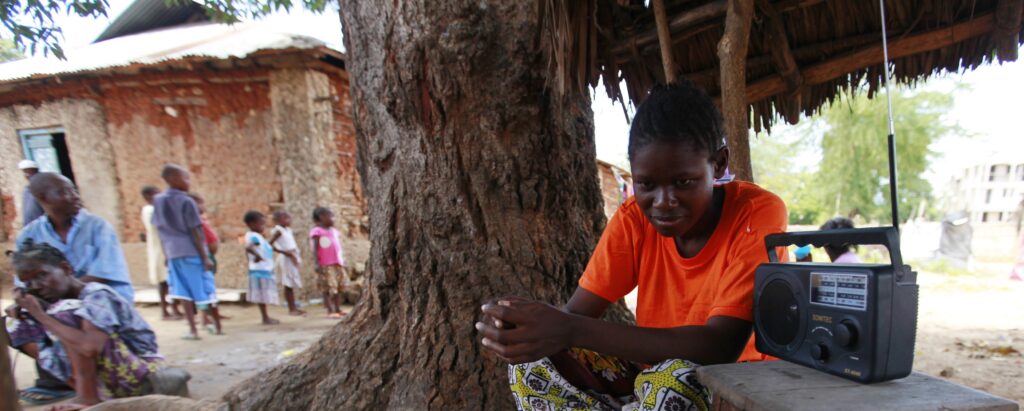
Shielding community journalism: How pro bono legal expertise broke the cycle of self-censorship for one Kenyan radio station
How pro bono legal support helped Kenyan radio station Radio Domus update editorial policies, ending…
Read More
Combatting international corruption: The pro bono research behind the landmark Foreign Extortion Prevention Act
Discover how pro bono legal expertise has created truly impactful tools for fighting corruption.
Read More

