


[En español abajo]
This legal research compares legislations on child marriage in seven Latin American countries.
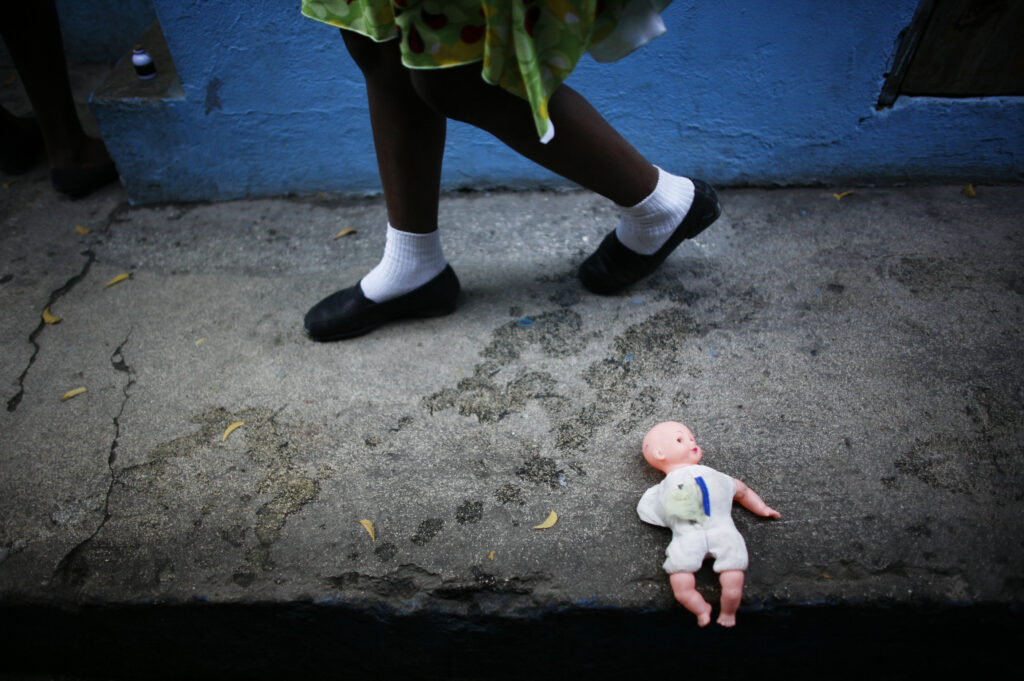
Child marriage is a recurrent practice in conflict-affected, suburban and rural areas of Colombia. The country’s Civil Code allows children aged 14 years old or older to marry, with the consent of their parents, without limiting or conditioning the age of their prospective spouses. Consequently, children are married to adult partners, and many become victims of sexual violence and exploitation, and even modern slavery and human trafficking.
This new comparative legal analysis examines the laws of Argentina, Bolivia, Brazil, Colombia, Mexico, Panama, and Peru and highlights the differences in legal status of child marriage across Latin America. The research will enable organisations like Save the Children and Fundación Renacer to develop their understanding of child marriage legislation in countries with similar social and legal structures to Colombia, informing their advocacy on the subject.
The report is the result of collaboration between the Thomson Reuters Foundation, Fundación Renacer-ECPAT Colombia and Save the Children Colombia. The law firms involved in the project were Bruchou & Funes de Rioja (Argentina), coordinating law firm; Morgan & Morgan (Panama); Dentons Guevara & Gutierrez (Bolivia); Hogan Lovells (Mexico); Tozzini, Freire, Teixeira e Silva Advogados (Brazil); Baker & McKenzie LLP (Colombia); and Rodrigo Elias & Medrano (Peru).
___
Esta investigación legal compara las legislaciones sobre matrimonio infantil en siete países de Latinoamérica.
El matrimonio infantil es una práctica recurrente en zonas suburbanas, rurales y afectadas por el conflicto armado en Colombia. El código civil colombiano permite el matrimonio de niñas y niños a partir de los 14 años de edad, con el consentimiento de sus padres, sin limitar o condicionar la edad de sus futuros contrayentes. Como resultado, niñas, niños y adolescentes se casan con adultos y muchos se convierten en víctimas de violencia y explotación sexual, e incluso esclavitud moderna y tráfico de personas.
Este nuevo análisis de derecho comparado estudia las leyes de Argentina, Bolivia, Brasil, Colombia, México, Panamá y Perú y resalta las diferencias del estatus legal del matrimonio infantil a través de América Latina. La investigación permitirá a organizaciones como Save the Children y Fundación Renacer desarrollar su entendimiento de la legislación sobre matrimonio infantil en países con estructuras sociales y legales similares a las de Colombia, y poder realizar una incidencia informada.
El informe es el resultado de una colaboración entre Thomson Reuters Foundation, Fundación Renacer-ECPAT Colombia y Save the Children Colombia. Las firmas que participaron del proyecto son Bruchou & Funes de Rioja (Argentina), firma coordinadora del proyecto; Morgan & Morgan (Panamá); Dentons Guevara & Gutierrez (Bolivia); Hogan Lovells (México); Tozzini, Freire, Teixeira e Silva Advogados (Brasil); Baker & McKenzie LLP (Colombia); y Rodrigo Elias & Medrano (Perú).
Share


Sign up to our newsletter
Details
Countries
ArgentinaBoliviaBrazilColombiaMexicoPanamaPeruLanguages
SpanishDownload Report

Related resources
View all
Digital Services Act and European Media Freedom Act: What they mean for content moderation and media freedom
In the internet age, online news sources command a much larger readership than printed media….
Read More
Legal guidelines on the use of AI in newsrooms (Kenya and Tanzania)
These legal guidelines aim to…
Read More
Casebook for newsroom AI prototypes and governance
This casebook documents what six small and mid-size newsrooms…
Read More
Before you publish: Middle East and North Africa legal pre-publication review guide for journalists
This Guide aims to assist journalists in the Middle East and North Africa in…
Read More
Know your rights guide for journalists covering protests in the U.S.
A guide for journalists in the…
Read More
AI use and best practice policy for newsrooms – Argentina
A practical guide which provides…
Read More
AI use and best practice policy for newsrooms – Uruguay
A practical guide which provides newsrooms…
Read More
Weaponising the law: Threats to media freedom in South Africa
The legal threats eroding South Africa’s…
Read More
The global impact of the EU AI Act
This report is essential reading for business leaders navigating AI governance…
Read More
A New Generation of Laws Is Restricting Civic Space in Latin America
Civil society is under…
Read More

