


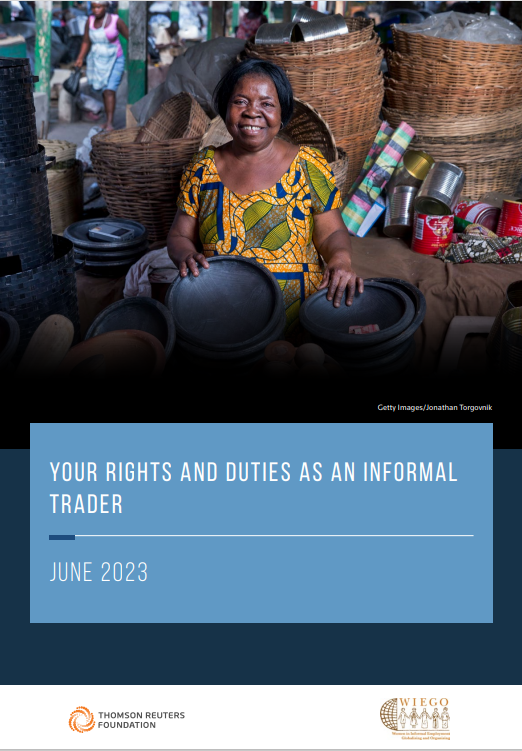
This is a guide to the legal framework, set up by the assembly bye-laws, that shapes:
• Where you can work.
• Under what conditions you can work.
• What your duties under the law are.
• The powers the authorities have if the bye-laws are broken.
• How you can use the law to protect your rights against abuse by public authorities.
Section 1 of this manual gives an overview of what the law says about vending in public spaces.
Section 2 looks at some of the main bye-laws that impact on you as informal traders.
Section 3 focuses on the issue of evictions and confiscation of your goods. It will outline the powers the authorities have to evict and confiscate.
Section 4 looks at possible ways you can use the law if you are facing eviction, or have been evicted.


Related resources
View all
Digital Services Act and European Media Freedom Act: What they mean for content moderation and media freedom
In the internet age, online news sources command a much larger readership than printed media….
Read More
Legal guidelines on the use of AI in newsrooms (Kenya and Tanzania)
These legal guidelines aim to…
Read More
Casebook for newsroom AI prototypes and governance
This casebook documents what six small and mid-size newsrooms…
Read More
Before you publish: Middle East and North Africa legal pre-publication review guide for journalists
This Guide aims to assist journalists in the Middle East and North Africa in…
Read More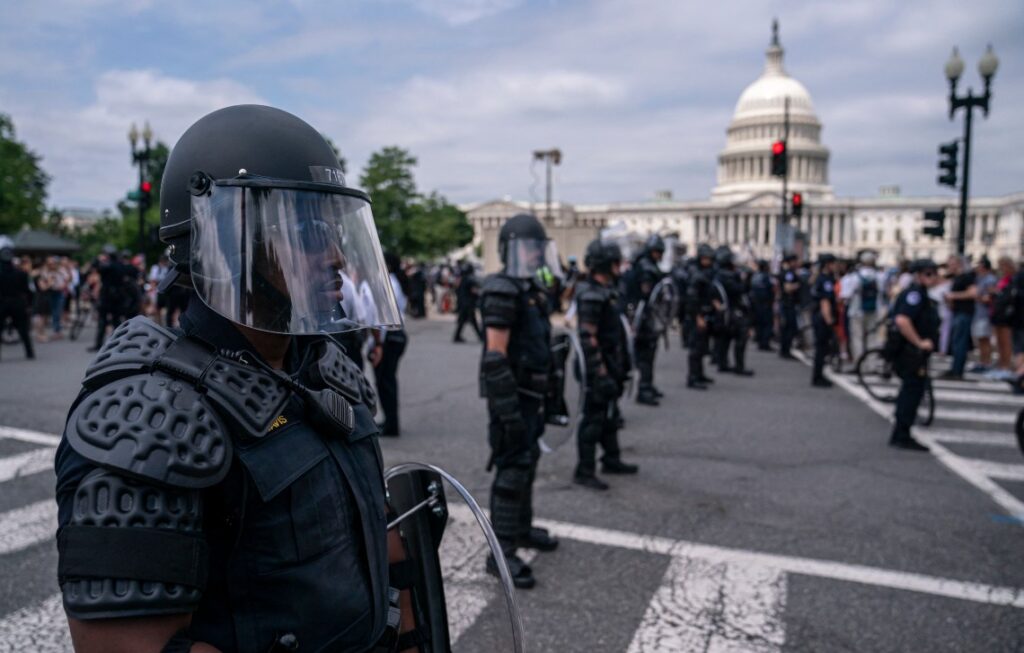
Know your rights guide for journalists covering protests in the U.S.
A guide for journalists in the…
Read More
AI use and best practice policy for newsrooms – Argentina
A practical guide which provides…
Read More
AI use and best practice policy for newsrooms – Uruguay
A practical guide which provides newsrooms…
Read More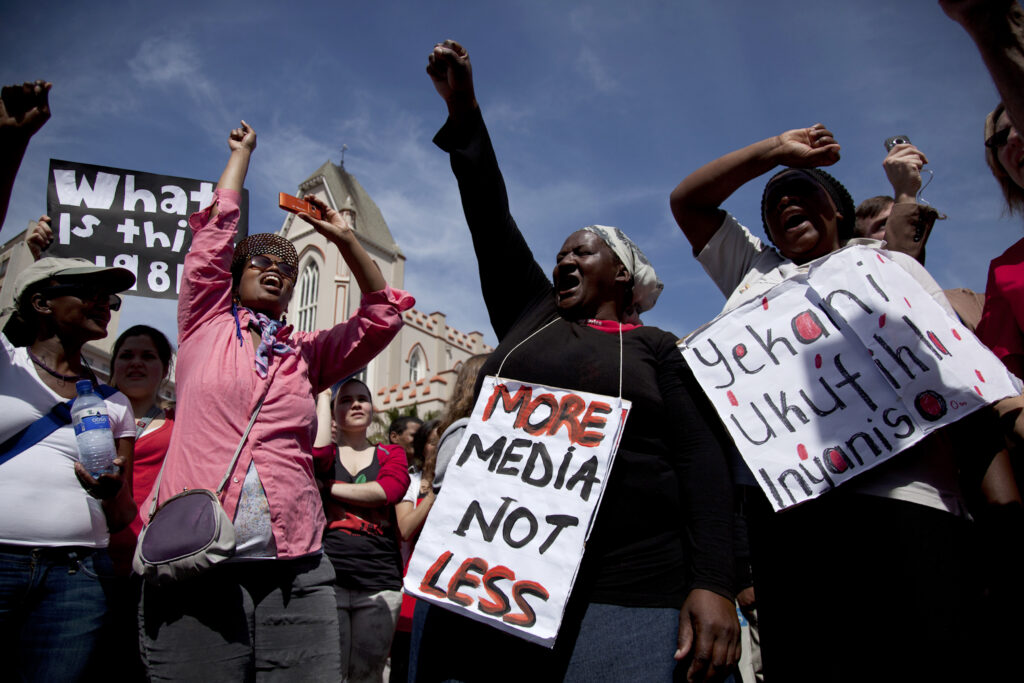
Weaponising the law: Threats to media freedom in South Africa
The legal threats eroding South Africa’s…
Read More
The global impact of the EU AI Act
This report is essential reading for business leaders navigating AI governance…
Read More
A New Generation of Laws Is Restricting Civic Space in Latin America
Civil society is under…
Read More

