


As the COVID-19 crisis continues to unfold, we have seen the spotlight fall firmly on the need for businesses to act responsibly towards the most vulnerable in their supply chains. The current pandemic has highlighted more than ever that there is still much to be done to achieve SDG 8, which calls for inclusive and sustainable economic growth, full and productive employment and decent work for all. Millions of people around the globe continue to be trapped in insecure work that does not pays living wages.
The Thomson Reuters Foundation, in partnership with Baker McKenzie and Omnia Strategy LLP, have brought together leading brands from a wide range of sectors over the past 3 months to attend virtual roundtables to discuss issues related to human rights and supply chains, as well as to share best practice.
The Stop Slavery Award has shown that businesses with robust systems in place to monitor and eradicate forced labour have been best equipped to respond to the unprecedented threat to labour rights – and indeed human rights – posed by the pandemic.
Both Cherie Blair QC, Chair of Omnia Strategy LLP, and Kevin Coon, Partner at Baker McKenzie, joined the roundtables to share their expertise on issues relating to business and human rights. Cherie Blair repeatedly emphasised the importance of “putting human rights at the centre of business response to COVID-19 as we tackle the current health, economic and climate crises and start to rebuild”.
The virtual roundtables addressed important issues such as the use of force majeure by Western-based brands against suppliers, which leads to the cancelling of orders and leaves suppliers out-of-pocket and unable to pay their workers. The group also discussed the importance of being able to monitor human rights in lieu of physical audits and the implications of an increase in testing, surveillance, data-sharing and other measures from a privacy point of view, given this is a new frontier for many companies to navigate.
Our most recent roundtable discussed how businesses can prepare for the EU Justice Commissioner’s legislative proposal on mandatory human rights due diligence by 2021. Kevin Coon led the conversation, noting that: “There has been a fundamental shift away from voluntary international initiatives to a growing global regulatory legal framework requiring companies to take steps to address human rights issues in their enterprise as well as supply chain”. He concluded that a renewed focus on the role of governments is now needed to strengthen the rule of law so that businesses can implement human rights protections and successfully meet the UN Sustainable Development Goals.
The Thomson Reuters Foundation, Baker McKenzie, and Omnia Strategy LLP will continue to work with businesses to address the EU’s upcoming public consultation on mandatory human rights and environmental due diligence.
If your organisation is interested in joining our next roundtable in September, or applying to the Stop Slavery Award, please contact Charlotte Davis, Inclusive Economies Manager at the Thomson Reuters Foundation.
Share


Sign up to our newsletter
More News
View All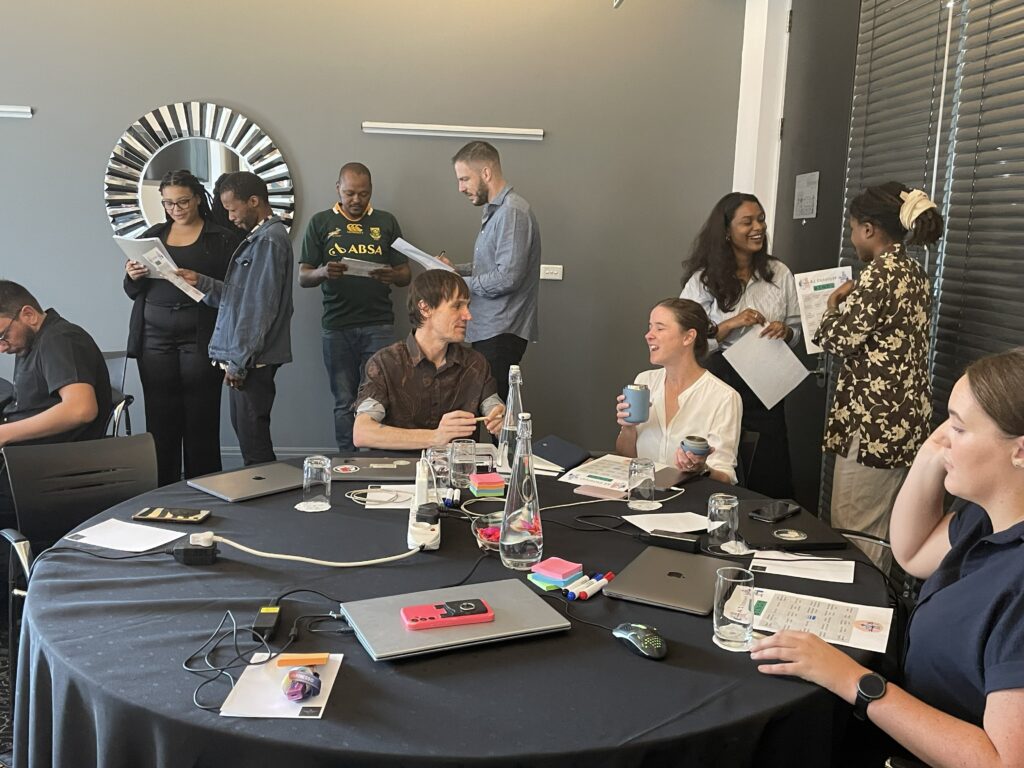
From competitors to collaborators: How AI training brought two South African newsrooms together
In partnership with Microsoft, we supported four newsrooms in South Africa with…
Read More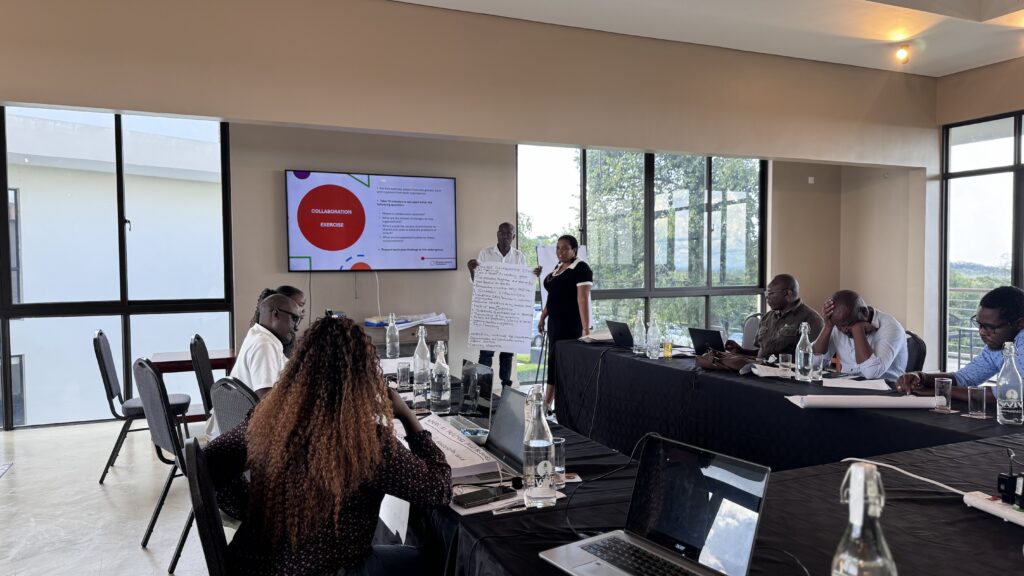
How one newsroom built an AI fact-checking tool for Zambia’s Election
In collaboration with…
Read More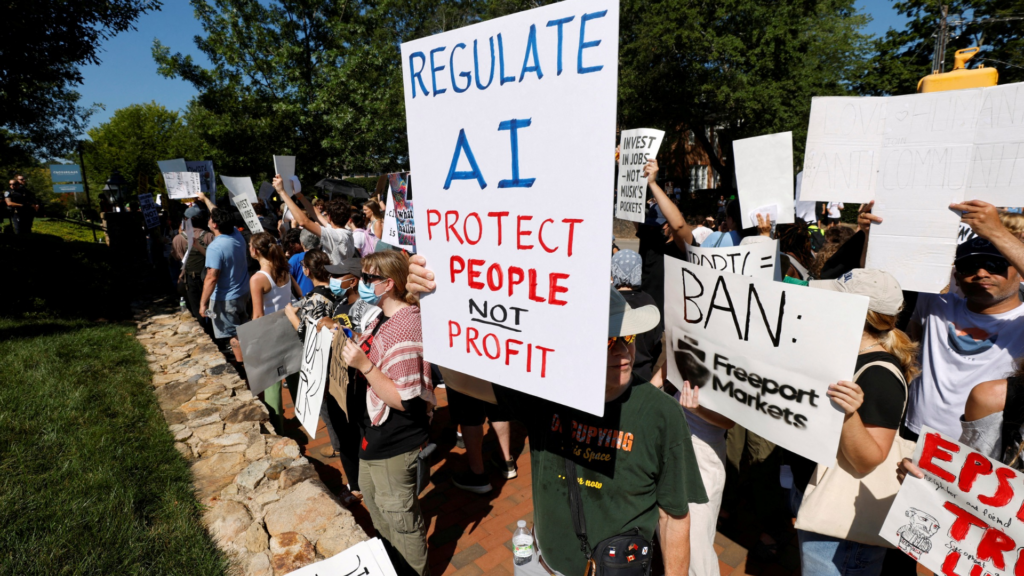
AI is the biggest reallocation of capital in a generation. Here’s why that should concern all of us
AI has led to a fundamental restructuring of economic power, raising questions that may…
Read More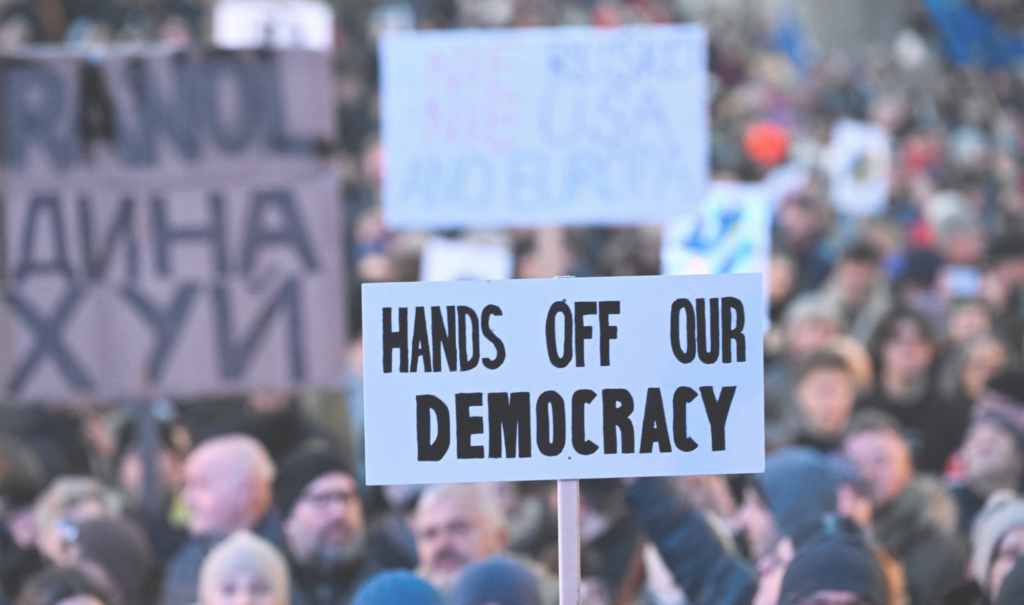
Three converging pressures facing civil society – and what it will take to respond
What civil society organisations in our TrustLaw network are telling us…
Read More
Democracy is in retreat. Here’s why that should alarm us all
Three powerful and interconnected…
Read More
Collaboration between reporters and content creators is essential for defending informatifon integrity
At workshops in Kenya, the Thomson Reuters Foundation saw what true co-operation between…
Read More
“I had a love-hate relationship with journalists…”
A journalist and a content…
Read More
Working behind the scenes: Reflections from the 5th African Business and Human Rights Forum
A behind-the-scenes view of 5th African Business and Human Rights Forum -…
Read More
World News Day: every $1 invested in journalism can return $100 to society. So why are we letting it collapse?
Defending journalism is not just a moral responsibility. It’s an economic and democratic…
Read More
AI legislation is important in upholding universal human rights
Our Director of Responsible Business,…
Read More

