



We’re coming to the end of what will have been the hottest year on record. As the impacts of climate change hit people harder around the world, the need to tackle the root cause of global warming – the burning of coal, oil and gas – has become more urgent. As Context’s correspondents reported from this month’s COP28 U.N. climate summit in Dubai, the big question was whether governments would agree to a phase-out of fossil fuels. In the end, pushback from vested interests prevented that. But there was a deal to transition away from fossil fuels in the world’s energy systems, which was heralded as “the beginning of the end” for those polluting fuels.
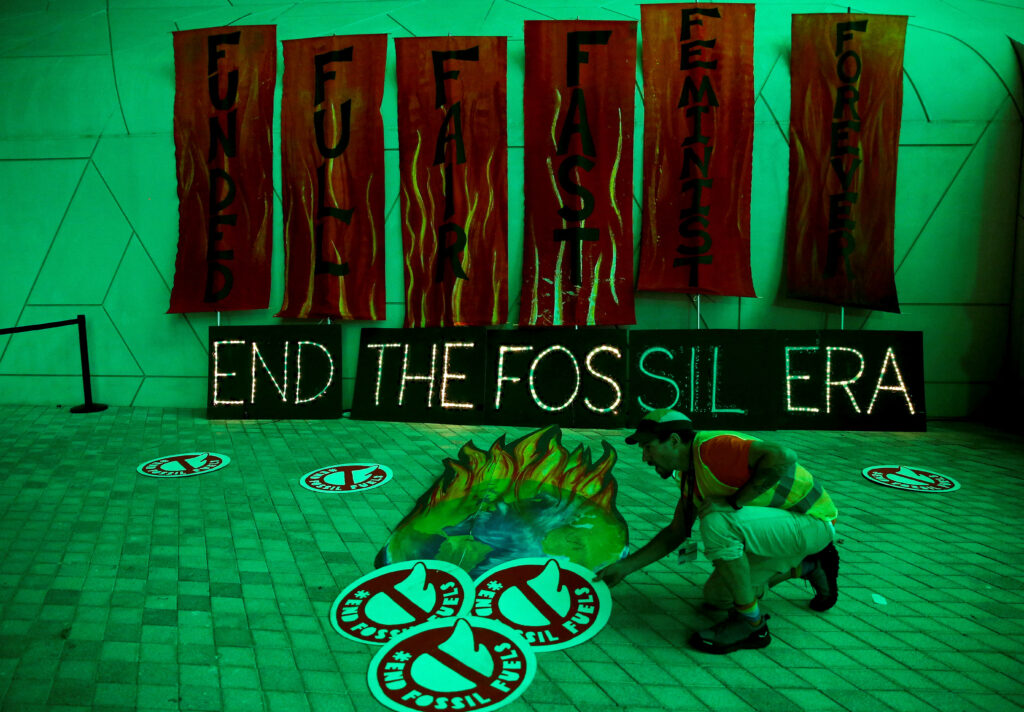
Will that be enough to keep global warming to the lowest Paris Agreement limit of 1.5 degrees Celsius? Unlikely, scientists said. That makes it even more important that COP28 gave birth to a long-awaited fund to help vulnerable countries and communities deal with the rising “loss and damage” caused by extreme weather and rising seas. The summit also heard developing nations call for more finance so they can leapfrog to economies driven by green energy and enable a “just transition” that does not leave countries and workers in high-carbon industries behind.
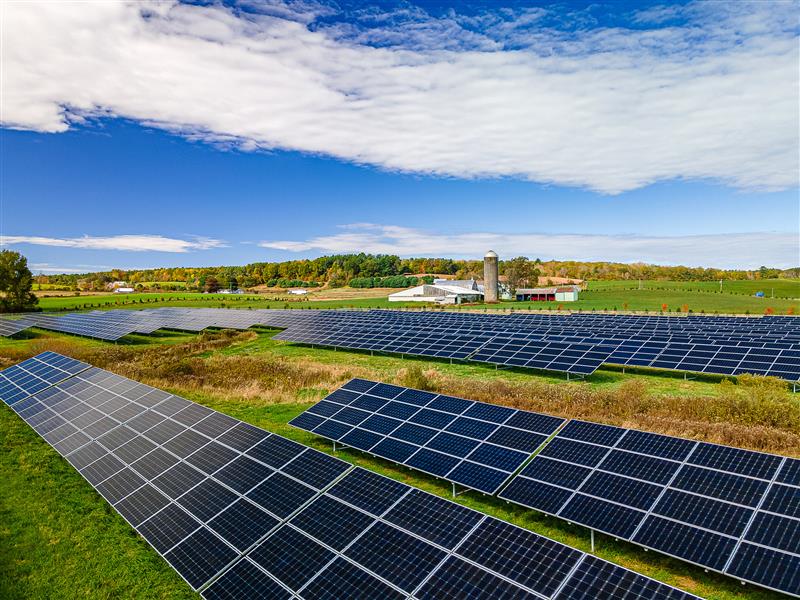
In addition, this year’s COP saw a host of new declarations on themes that have come into the climate-change fold relatively recently – from food systems to health and helping conflict-affected states adapt. All of this left our three tireless correspondents in Dubai sprinting between events in the sprawling Expo City, along with some 65,000 other delegates, to bring Context readers a range of voices, from climate justice leaders like Mary Robinson to AI experts and a conservation warden protecting carbon-storing mangroves on Tanzania’s Mafia Island. Find out more from our COP28 collection and follow Context Climate on X.
Share


Sign up to our newsletter
More News
View All
World News Day: every $1 invested in journalism can return $100 to society. So why are we letting it collapse?
Defending journalism is not just a moral responsibility. It’s an economic and democratic…
Read More
AI legislation is important in upholding universal human rights
Our Director of Responsible Business,…
Read More
How civil society can counter the rise of legal restrictions across Latin America
New…
Read More
Legal support: a lifeline for civil society and democracy
How democracies become stronger when civil society…
Read More
How upholding workers’ rights builds democratic resilience
How businesses treat their workers…
Read More
Protecting independent media is protecting democracy
How protecting independent media protects democracy itself.
Read More
What legal risks do content creators face? 5 key considerations for influencers
Content…
Read More
What the EU’s Procurement shift could mean for workforce disclosure
In the wake of the…
Read More
Why existing support for civil society can’t solve this crisis
Most support wasn’t designed…
Read More
What happens when content creators and journalists come together?
Our Multimedia Editor for Openly,…
Read More

