


According to the Global Media Monitoring Project, women’s participation and representation in the media has been stagnant, with some of the largest gender gaps still prevailing across Africa. Specifically, women tend to be underrepresented in business news and investigative reporting in sub–Saharan Africa.
Women often encounter challenges in the newsroom that shape their participation and visibility in the sector. They are frequently assigned “soft” news, covering community-level stories or entertainment news, while the more complex, technical financial crime or policy angles are widely perceived as a male dominated field. Structural barriers can also affect their entry into journalism. This includes unequal care responsibilities, limited time to complete training applications, and newsroom hierarchies.
Furthermore, if we look specifically at illicit financial flows (IFFs) – the illegal, cross-border movement of money – we see that a lack of understanding of their gendered dimensions can cause important stories and angles to be missed (men and women alike) and can reinforce gender stereotypes. Increasing women’s participation and enhancing journalists’ ability to apply gender analysis into IFF stories can be an initial step towards improving the quality of journalism and cultivating a more equitable media landscape
The Foundation aims to strengthen editorial standards and improve journalists’ resilience against efforts to curtail press freedom. That’s why, in partnership with the Norwegian Agency for Development Cooperation (NORAD), we provided a combination of training and mentoring to journalists across sub-Saharan Africa between 2023-25, to enable them to investigate and report on complex IFF issues. This support strengthened their ability to address IFFs by improving the quality of their financial and business reporting.
In its final phase, the programme made efforts to increase women’s participation and integrate gender considerations into the training content. Over a third of the trained journalists between 2023-25 were women, with one national cohort in Kenya being entirely composed of women.
Improving journalists’ ability to report on the gender dimensions of IFFs
The training embedded gender-specific elements that examined the disproportionate impact of IFFs on women, including their economic opportunities, access to public services, and vulnerability to exploitation. It recognised gender as an integral analytical dimension, by looking at how IFFs affect men and women differently and by considering the different actors involved – leading to more nuanced and accurate stories. For example, stories exploring women’s involvement in rhino poaching syndicates uncovered how economic marginalisation shapes participation in economies linked to illicit activities.
Accounting for this range of experiences supports more accurate coverage of IFFs and helps journalists produce balanced, higher quality stories, ultimately strengthening accountability reporting.
Women reporters covering business stories
We spoke to one participant, Rosemond Akuorkor Adjetey, journalist at EIB Network in Ghana, about how this training influenced her approach to IFF reporting.
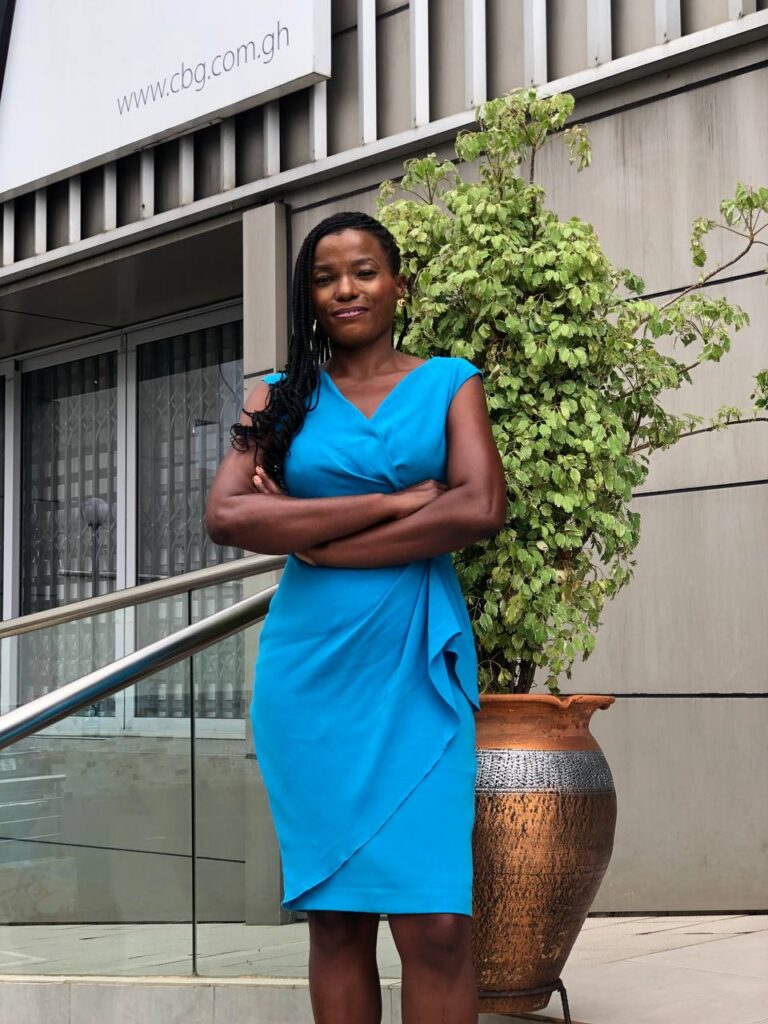
Rosemond noted that within Ghana’s media environment, most media houses practice general journalism instead of specialised reporting, until journalists develop a personal interest in a particular field. She added that one of the major challenges women face in business reporting is the persistence of preconceived ideas about their capabilities.
She also spoke about the structural and confidence barriers that limit women’s entry into this space, a reminder of the importance of creating capacity-building opportunities for women journalists, particularly in reporting on IFFs.
There are very few [women] that I know [that are pursuing investigative business journalism]. It’s not that encouraging. The moment they come in and you tell them, “we would love for you to [cover] business,” they say, “oh, I can’t do it, it’s too difficult”. Their mindset is that most of these business stories are too complicated, and that men are the ones to do this kind of job.
Training that improved approaches to IFF reporting
In discussing her own experience, Rosemond highlighted that prior to the training, she had difficulty approaching and interviewing sources, as well as getting information from institutions. This was also echoed by many of the other participating female journalists, who described the skepticism from sources when covering business stories. Following the training, and with the help of a mentor, Rosemond recognised that she had become more resilient in her approach.
Now I know how to get the right information and how to get people on board to take part in my story. [I know] how to approach having difficulties or having my requests declined.
She also noted many improvements in her reporting, including her style of writing, story angles, and how to protect her sources. She further acknowledged that the mentoring she received influenced the way she now develops and produces stories.
[It’s important] that there’s a mentor there to teach [women journalists] and give them assurance. Once they have that and they understand the technicalities in business reporting, it becomes easier for them to manage it.
Investing resources in training women reporters
Rosemond emphasised the need for greater investment in training in this sector. She highlighted how training that breaks down the complexities around IFFs could lower barriers to entry and make this type of journalism more appealing.
Once [women] receive this type of training, I’m sure they would love to do more investigative reporting. [With more training like this] more women will be able to take up space in business reporting.
Following the training, Rosemond went on to win two awards, one of them being the Best in Business and Economic Reporting award at the 29th Ghana Journalists Association (GJA) Awards.
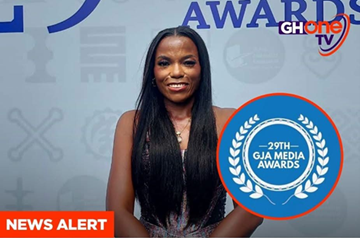
The award is one of my proudest moments. Business news is challenging and as a female finance reporter, breaking down these barriers and winning the award is a dream come true.
If you want to find out more about our work training journalists and CSOs across sub-Saharan Africa, visit our page here.
Share


Sign up to our newsletter
More News
View All
World News Day: every $1 invested in journalism can return $100 to society. So why are we letting it collapse?
Defending journalism is not just a moral responsibility. It’s an economic and democratic…
Read More
AI legislation is important in upholding universal human rights
Our Director of Responsible Business,…
Read More
How civil society can counter the rise of legal restrictions across Latin America
New…
Read More
Legal support: a lifeline for civil society and democracy
How democracies become stronger when civil society…
Read More
How upholding workers’ rights builds democratic resilience
How businesses treat their workers…
Read More
Protecting independent media is protecting democracy
How protecting independent media protects democracy itself.
Read More
What legal risks do content creators face? 5 key considerations for influencers
Content…
Read More
What the EU’s Procurement shift could mean for workforce disclosure
In the wake of the…
Read More
Why existing support for civil society can’t solve this crisis
Most support wasn’t designed…
Read More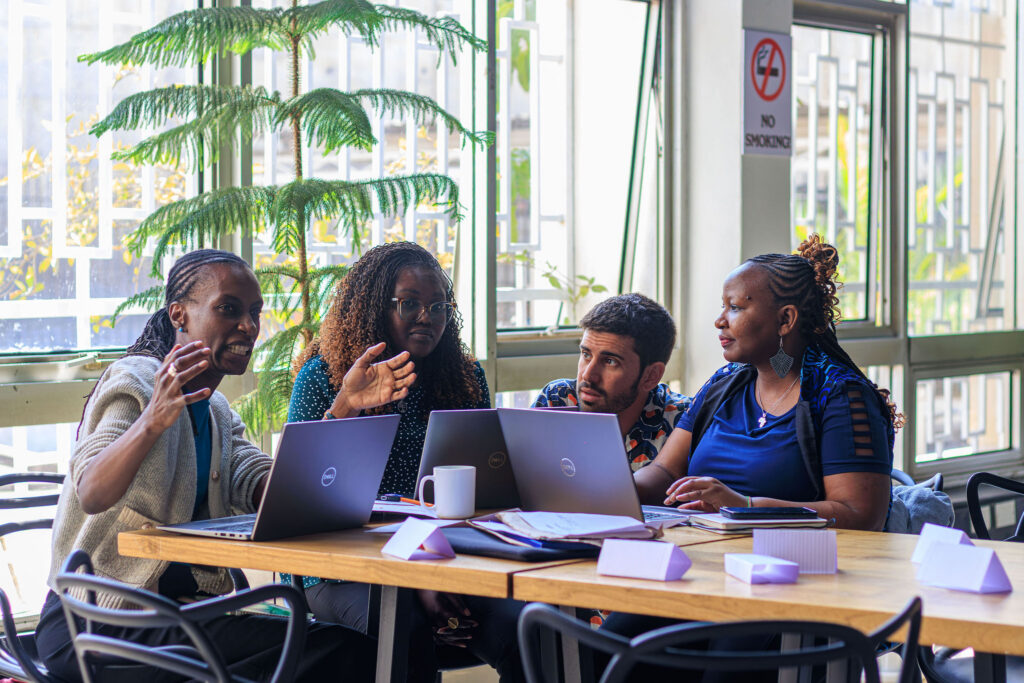
What happens when content creators and journalists come together?
Our Multimedia Editor for Openly,…
Read More

