


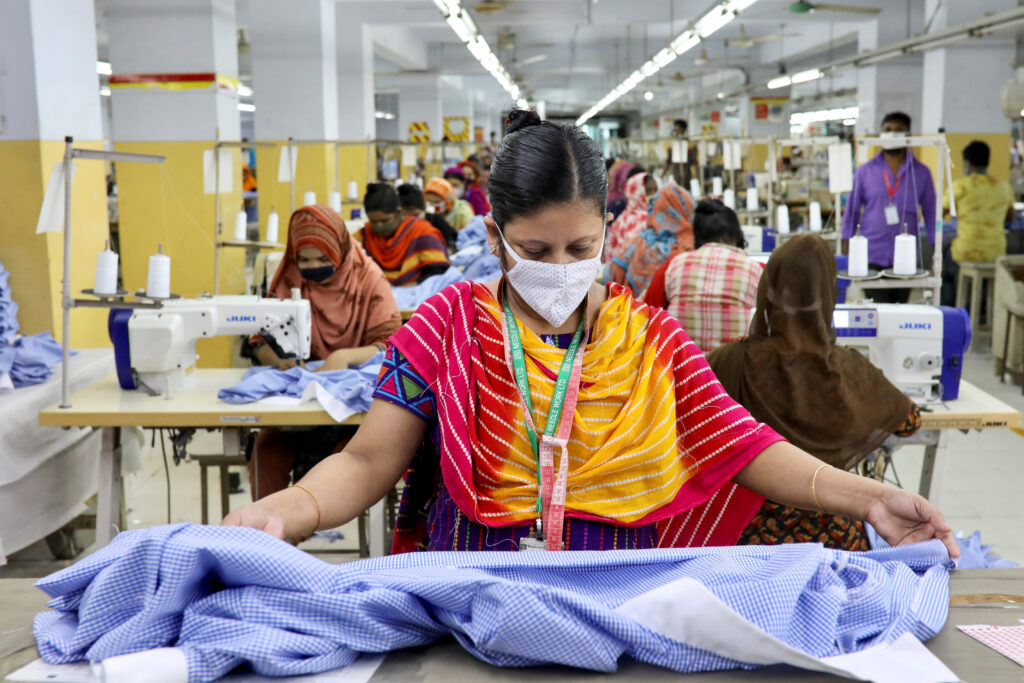
Focusing on the ‘S’ in ESG, the data includes indicators on labour and workforce management, contractual status and pay, gender diversity, wellbeing and workers’ rights. Large institutional investors can then access the data to make investment decisions based on responsible business practices.
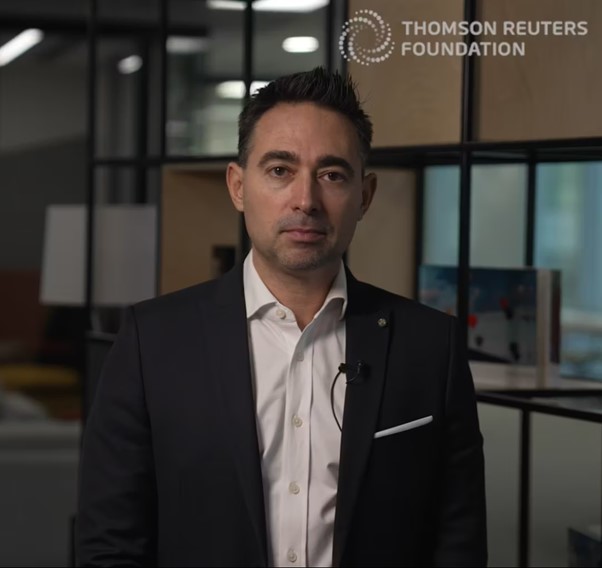
Watch this message from our Chief Executive, Antonio Zappulla
Since the global adoption of the UN Sustainable Development Goals (SDGs) in 2015, CEOs and business leaders have been urged to provide a new type of leadership, expanding the lens beyond profit to a company’s impact on people. Investors, regulators and consumers alike are asking for greater transparency around issues such as workers’ rights and environmental impacts.
The integration of the WDI as a key part of the Foundation’s work to foster more inclusive economies is an opportunity to drive meaningful change, encourage dialogue and strengthen engagement with stakeholders across sectors.
“We are delighted to welcome the WDI as a core component of our inclusive economies portfolio, which focuses on the social component of ESG,” said Antonio Zappulla, CEO of the Thomson Reuters Foundation.
“By leveraging our global network of media, legal and sustainability professionals, we aim to scale responsible business models that strengthen supply chains, prioritise workers’ rights and protect the environment. We can’t wait to unlock the full potential of this very powerful initiative, with the goal of fostering free, fair and informed societies.
Since it was launched in 2016, the WDI’s experience and knowledge has led to tangible changes to corporate behaviour, including influencing the EU’s new corporate sustainability reporting standards.
Around 170 of the world’s largest employers opt to disclose their information, creating a bank of data that improves transparency on responsible business practices. Over 50 institutional investors with over $9 trillion of assets under management make up the WDI’s investor coalition.
Data reported to the WDI covers more than 13 million direct employees, and many more workers within the supply chain.
Catherine Howarth OBE, Chief Executive of ShareAction commented: “Since 2016, the Workforce Disclosure Initiative has worked with committed investors to set the benchmark for meaningful disclosures from the world’s largest companies on fundamental issues such as human rights due diligence.
“After incubating the WDI for seven years, ShareAction is proud to transfer it to a new host. The Thomson Reuters Foundation fully shares our commitment to supporting responsible business practices – its resources and global reach make it the perfect home for the next stages of the WDI journey.”
By engaging with companies and investors to scale responsible business practices, we look forward to accelerating the WDI’s already impressive impact.
The integration of the WDI as a key part of the Foundation’s work to foster more inclusive economies is an opportunity to drive meaningful change, encourage dialogue and strengthen engagement with stakeholders across sectors.
Find out more about the Workforce Disclosure Initiative.
Share


Sign up to our newsletter
More News
View All
World News Day: every $1 invested in journalism can return $100 to society. So why are we letting it collapse?
Defending journalism is not just a moral responsibility. It’s an economic and democratic…
Read More
AI legislation is important in upholding universal human rights
Our Director of Responsible Business,…
Read More
How civil society can counter the rise of legal restrictions across Latin America
New…
Read More
Legal support: a lifeline for civil society and democracy
How democracies become stronger when civil society…
Read More
How upholding workers’ rights builds democratic resilience
How businesses treat their workers…
Read More
Protecting independent media is protecting democracy
How protecting independent media protects democracy itself.
Read More
What legal risks do content creators face? 5 key considerations for influencers
Content…
Read More
What the EU’s Procurement shift could mean for workforce disclosure
In the wake of the…
Read More
Why existing support for civil society can’t solve this crisis
Most support wasn’t designed…
Read More
What happens when content creators and journalists come together?
Our Multimedia Editor for Openly,…
Read More

