


A new report from the Thomson Reuters Foundation finds that legal needs amongst NGOs have risen significantly over the last year as they face fresh waves of threats and attacks.
Sweeping cuts to international aid budgets have hit organisations across the board, autocratic states are increasingly weaponising the law to cut local non-profits off from their vital sources of international support, and influential voices have even painted the sector as inefficient and fraudulent.
Surveying the world’s largest pro bono network
Rising Pressure, Rising Needs, spotlights the findings from a rapid survey of civil society members in the Thomson Reuters Foundation’s TrustLaw network, the world’s largest pro bono service, to assess how the legal needs of NGOs are evolving in this increasingly complex environment.
The survey sampled around 150 organisations working in the civil society sector across Latin America, Asia, Africa, Europe and North America. The majority of these were smaller, grassroots organisations with fewer than 50 staff or volunteers.
Their perspectives are published today in the next edition of our TRF Insights series, which draws on our extensive global network to take the pulse of major developments in the sector.
What we found
Overall, 50% of respondents reported increasing legal needs, a figure that rises to 65% in Asia and 70% in North America.
Among those experiencing rising legal challenges, 36% cited new and/or stricter laws targeting civil society as the most serious driver, followed closely by funding changes or cuts (34%).

The actions from the state take different forms – from freezing accounts, unleashing the tax man, raiding office premises, lodging online smear campaigns about being agents of foreign interests, leaking banking information online (sometimes doctored). This has directly affected us in the last year, and it has affected our partners and other allies where we operate from.
When comparing specific areas of critical legal need over the next 12 months versus the previous year, the survey found that:
- ‘regulatory compliance’ (up 4.5 percentage points)
- ‘navigating political restrictions’ (up 7 percentage points)
- ‘data protection’ (up 9 percentage points)
were all now viewed to be significantly more risk-laden.
Notably, for organisations working specifically in human rights defence, ‘navigating political restrictions’ was up even higher (11 percentage points) on the previous year.
We have had to let go around 2000 staff globally. We are also closing several country operations and downscaling a large majority of country operations – of course this impacts the humanitarian assistance we are able to offer, which has severe consequences for those communities most at risk and marginalized – both on the short and longer term.
Encouragingly, many organisations are responding to the current moment by leaning in. Over the next 2–3 years, top priorities include:
- expanding and scaling programming (25%)
- developing new funding streams (36%)
- launching new programmes and projects (16%)
How we are responding
Over the past few months, the Foundation has been working closely with many of the leading law firms and in-house legal teams in our TrustLaw network to identify new ways in which their expertise can help strengthen NGO resilience and allow them to expand their activities and continue delivering their critical impact.
This has included setting up legal clinics for NGOs on how to strengthen their regulatory compliance in the face of increasing government scrutiny, workshops on navigating the post-USAID funding landscape and ramping up legal guidance for organisations in the crosshairs of ‘foreign agent laws’.
However, we understand legal support is just one piece of the puzzle. These types of threats to civil society are existential, affecting just about every aspect of an NGO’s operations. As such, they demand a holistic response.
Through the wider Foundation’s work with independent newsrooms around the world for more than 40 years, we have developed a tried-and-tested model for building 360° organisational resilience.
We are now also working to adapt and replicate this model specifically for NGOs. This will include communications advice, financial planning, digital security guidance, AI adoption training and much more.
To realise this at the scale the moment demands, the Foundation is seeking committed partners who want to protect a vibrant, resilient civil society. Those interested in being part of this work are invited to learn more and register their interest via the online form below.
Share


Sign up to our newsletter
More News
View All
Journalists cautiously optimistic about the effect of AI on the profession, our new report finds
Our new TRF Insights report sheds light on the opportunities and challenges of AI…
Read More
2024 Index of Pro Bono findings revealed
The 2024 Index of Pro Bono, compiling comprehensive data representing nearly…
Read More
Responsible AI adoption: What companies should know
As AI becomes embedded across economies and workplaces, the…
Read More
World’s largest dataset shows companies are adopting AI much faster than they are governing it
The Thomson Reuters Foundation has released its findings on the global corporate…
Read More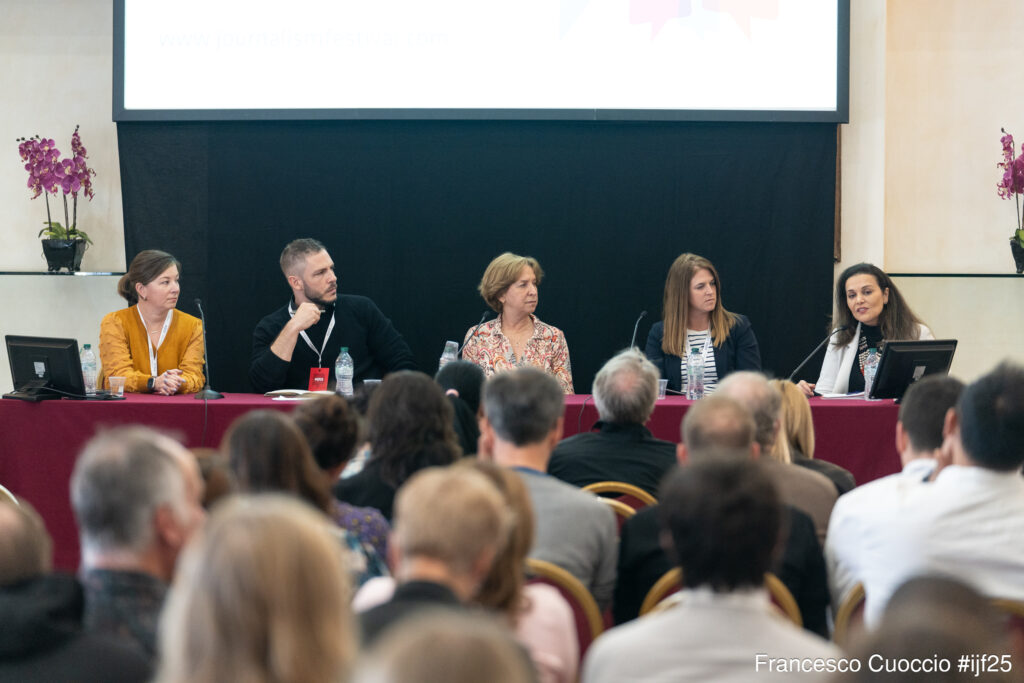
Perugia International Journalism Festival 2026: Where to find us
This year, we’ll be discussing the…
Read More
Welcoming our new Director of Insights & Innovation, Rebecca Vincent
We are delighted to…
Read More
Supporting women’s participation in financial investigative journalism in sub-Saharan Africa
We supported women’s participation in business reporting and enhanced…
Read More
Welcoming our new chairman – and honouring a remarkable legacy
Our CEO, Antonio Zappulla,…
Read More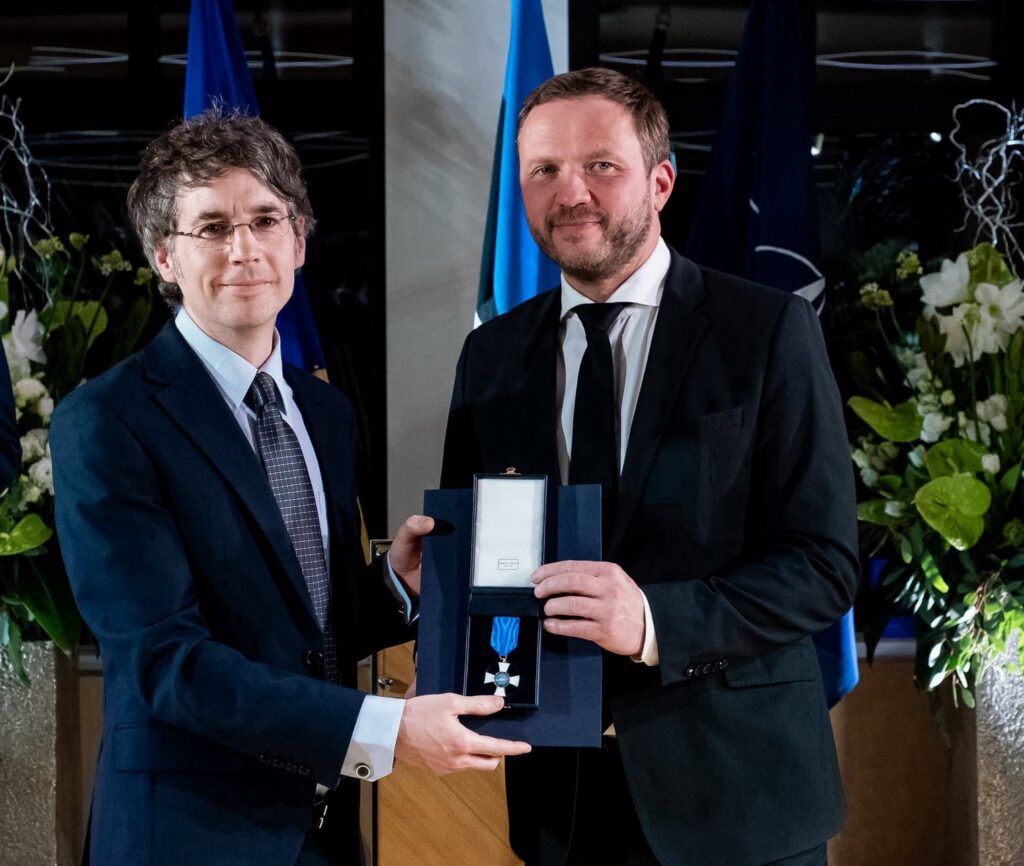
How the MFC Secretariat supports the Media Freedom Coalition to protect independent media at home and abroad
The MFC Secretariat, hosted by the Foundation, was awarded the Cross of Merit from the…
Read More
Statement on the Closure of the Context News Brand
A statement on the Closure of the Context News Brand from…
Read More
Supporting media and CSOs to curb illicit financial flows across sub-Saharan Africa
We…
Read More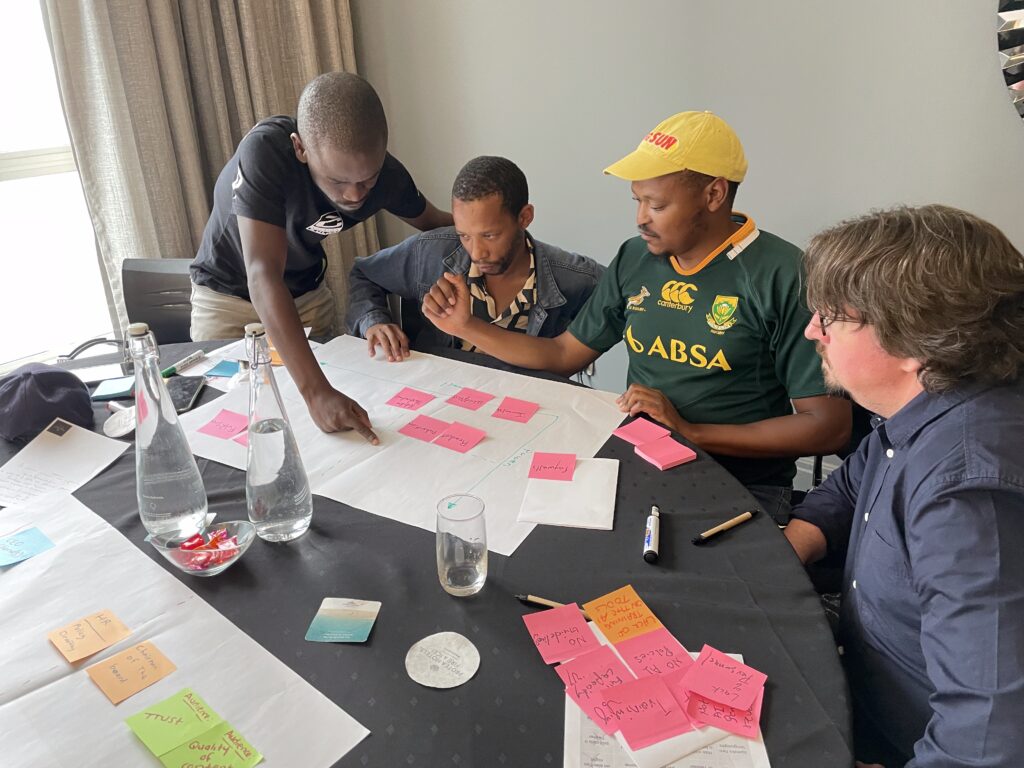
Our impact in 2025: Building resilience in a turbulent year
Our CEO Antonio Zappulla reflects on 2025:…
Read More

