


Free and independent media is a central tenet of any free, fair and informed society. That’s why we use our combined journalism and legal expertise to support journalists and newsrooms, strengthening high‑quality reporting through our training programmes.
Between 2023-25, the Thomson Reuters Foundation provided training, mentoring and story grants to 131 journalists working across sub–Saharan Africa to enhance their abilities to report on illicit financial flows (IFFs) – with a total of 86 grant-funded stories published on the topic.
We provided small grants to cover access to research materials, Wi-Fi, and travel costs for journalists to investigate topics related to financial crimes.
One of these was Fidelis Zvomuya, who in December 2024, published a story about the hidden role of women in rhino-poaching syndicates after completing dual-track training – a model that included getting trained on IFF plus practical use of those skills to publish a story.
As part of this support, journalists also received mentoring from previous Reuters editors with financial reporting expertise – boosting their professional skills and confidence.
We sat down with Zvomuya, who explained how the training, mentoring, and a small grant fundamentally changed his approach to journalism.
IFFs in South Africa
“Investigative newsrooms and independent media platforms have consistently exposed cases involving wildlife trafficking, mining, procurement fraud, and cross-border syndicates. Public concern is high; citizens understand that IFFs erode state capacity, enable organised crime, and directly undermine public services.
While media reporting is robust, policy action remains uneven. The government has acknowledged the seriousness of IFFs through various parliamentary inquiries, anti-corruption frameworks and cross-border law-enforcement collaborations, but implementation gaps persist.
Civil society organisations continue to push for stronger enforcement, transparency mechanisms, and protection for whistle-blowers. The media’s role in sustaining attention on IFFs remains crucial, especially where political will is inconsistent.
Reporting on women’s role in rhino-poaching
My story focused on the inner workings of rhino-poaching syndicates operating between South Africa and Mozambique, with a special emphasis on the hidden and often overlooked role of women within these criminal networks.
I was inspired by hearing from the gender expert at the workshop about how women were portrayed. I was motivated to look into it as I thought looking at it from the angle of women could be impactful. When I contacted the communications officer at a nonprofit, I was told that women weren’t pulling the trigger but doing other work.
While wildlife crime is frequently reported, the gendered dimension – women as recruiters, smugglers, financiers, and informal intelligence sources – is rarely explored.
Key barriers and support for better journalism
Before TRF’s support, I lacked structured training in investigative methodology and did not have access to a dedicated editor. Newsrooms often lack resources for long-form investigations [and] financial constraints [make] it difficult to conduct field visits or pursue leads across borders.
The TRF programme fundamentally changed this. The dual-track model of skills development plus practical reporting was transformative. TRF’s financial support allowed me to conduct fieldwork and interviews across affected communities, while taking part in training improved my investigative skills.
The depth of editorial mentorship and financial support were [also] far more valuable than I expected. My mentoring editor ensured accuracy, structure, and ethical rigour, enabling high-impact journalism, [and their] guidance strengthened my reporting and improved the narrative.
A fundamental shift in approach
The experience has permanently elevated my standards.
I now apply more rigorous source-verification techniques, use a wider range of sources, prioritise ethics, and structure stories more strategically. I [also] conduct deeper pre‑reporting research, strengthen source protection, analyse data more rigorously, and structure stories with greater precision.
The mentoring editor had the greatest impact [on me], reshaping how I investigate and construct stories. Mentoring strengthened my investigative discipline, narrative structure, and ethical approach.
I have shared investigative techniques, verification frameworks, and safety protocols with colleagues, helping strengthen my newsroom’s practices.
The role of independent media
I believe that independent media is a frontline defence against corruption and IFFs. By exposing wrongdoing and scrutinising power, the media empowers citizens and compels institutional action.
Media must uphold accuracy, transparency, independence, and strong editorial ethics. Trust is essential for civic participation and for resisting misinformation. In contexts where corruption thrives, trusted journalism becomes a stabilising force.”
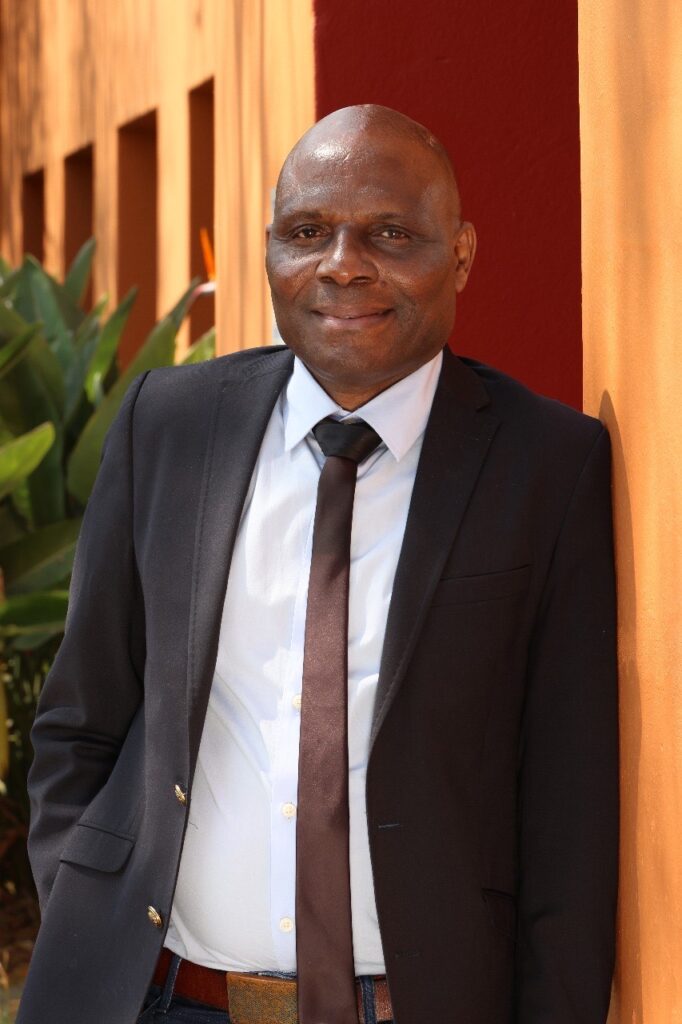
Fidelis Zvomuya is a journalist based in South Africa. His story about the hidden role women play in rhino-poaching syndicates opened a new national conversation on the topic.
His story caught the attention of several news outlets, and he was also contacted by Sanlam – a South African financial services group – who submitted his story as part of their annual journalism awards.
Fidelis is now contracted by New South Institute – a public policy think tank – as a resident journalist to continue writing about women and poaching.
Share


Sign up to our newsletter
More News
View All
Welcoming our new Director of Insights & Innovation, Rebecca Vincent
We are delighted to…
Read More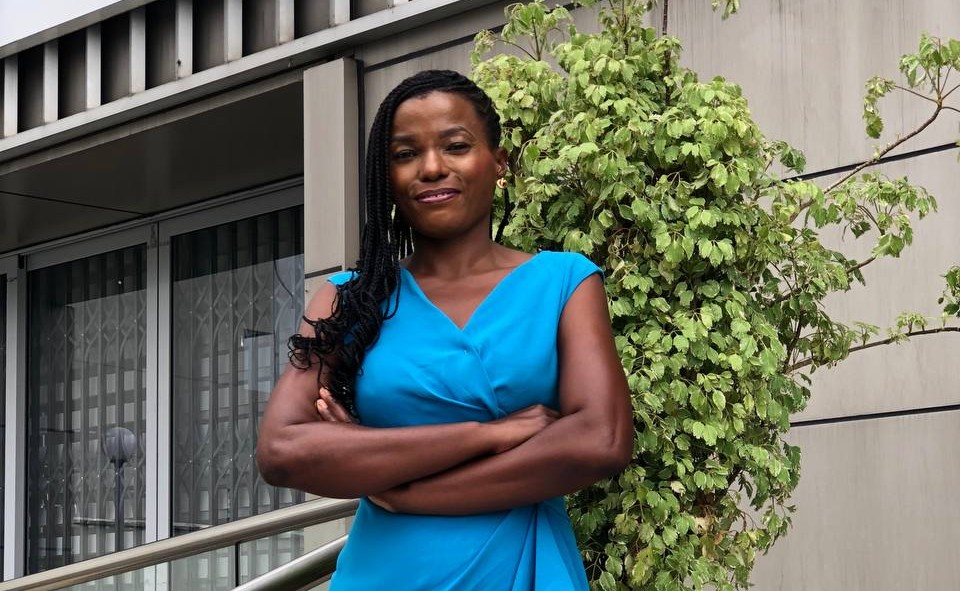
Supporting women’s participation in financial investigative journalism in sub-Saharan Africa
We supported women’s participation in business reporting and enhanced…
Read More
Welcoming our new chairman – and honouring a remarkable legacy
Our CEO, Antonio Zappulla,…
Read More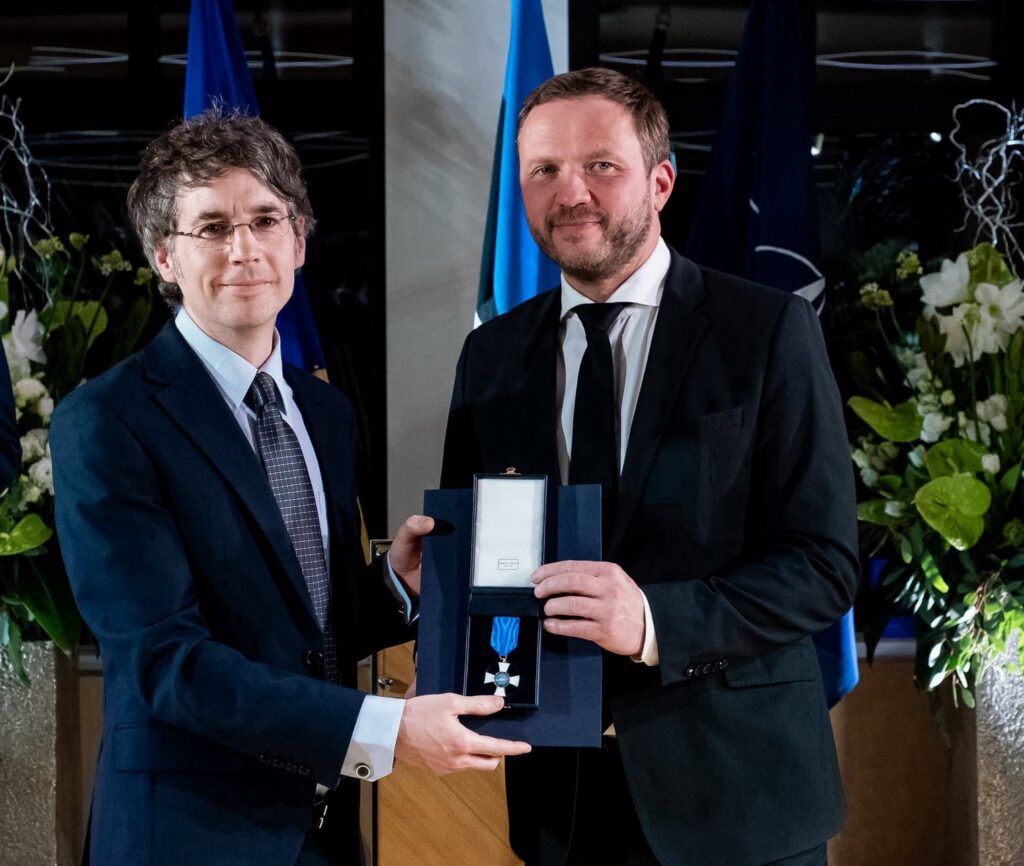
How the MFC Secretariat supports the Media Freedom Coalition to protect independent media at home and abroad
The MFC Secretariat, hosted by the Foundation, was awarded the Cross of Merit from the…
Read More
Statement on the Closure of the Context News Brand
A statement on the Closure of the Context News Brand from…
Read More
Supporting media and CSOs to curb illicit financial flows across sub-Saharan Africa
We…
Read More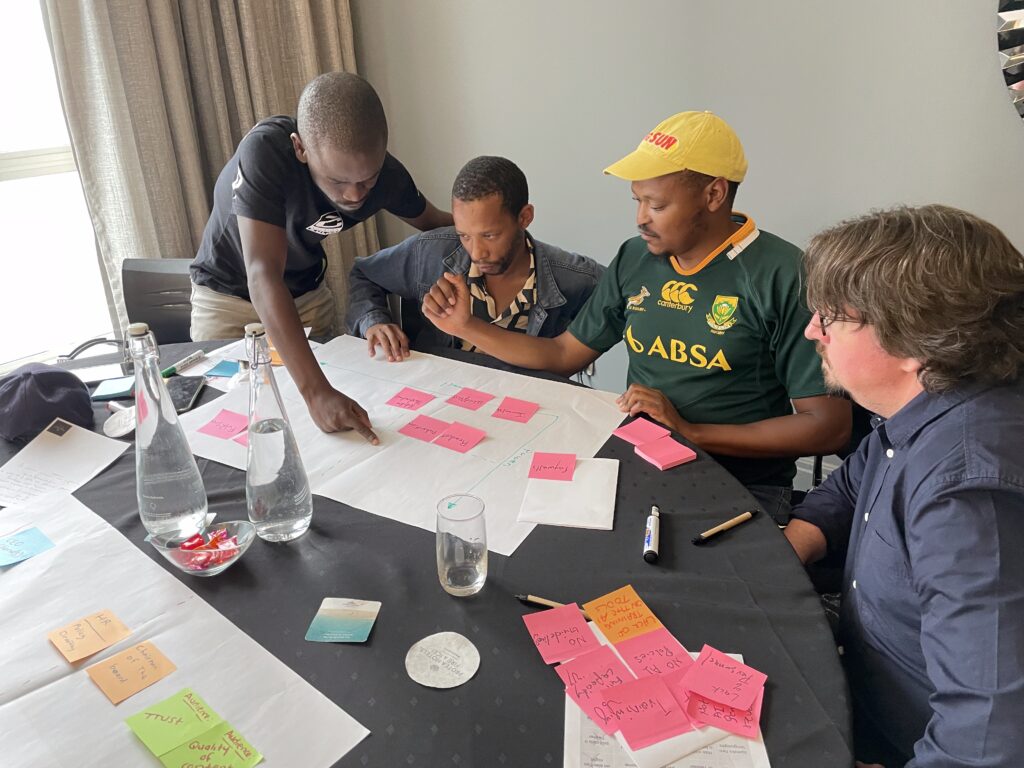
Our impact in 2025: Building resilience in a turbulent year
Our CEO Antonio Zappulla reflects on 2025:…
Read More
Legal needs are rising for NGOs amid attacks on civil society and funding cuts, our latest report finds
Our new report finds that legal needs amongst NGOs have risen significantly over the last…
Read More
How South African newsrooms are benefiting from strategic and ethical AI adoption
We have…
Read More
World’s largest dataset shows transparency gaps in AI adoption
The Thomson Reuters Foundation…
Read More

