


V-DEM’s latest Democracy Report highlights freedom of expression as the worst-affected aspect of democracy in the past ten years, with government media censorship efforts as the main driver of this.
Alarmingly, more than half of the world’s population are now living in a country where press freedom is in a “difficult” or “very serious” situation according to Reporters without Borders. With independent media increasingly threatened, it is more important than ever to safeguard the sector – an essential democratic pillar to a free, fair and informed society.
Against this backdrop, the Foundation has hosted the Media Freedom Coalition (MFC) Secretariat since 2022. The Secretariat is responsible for ensuring the Media Freedom Coalition (MFC) – a partnership of over 50 countries from six continents working together to advocate for media freedom and the safety of journalists – operates effectively, so that its member countries can be as active as possible in promoting media freedom at home and abroad.
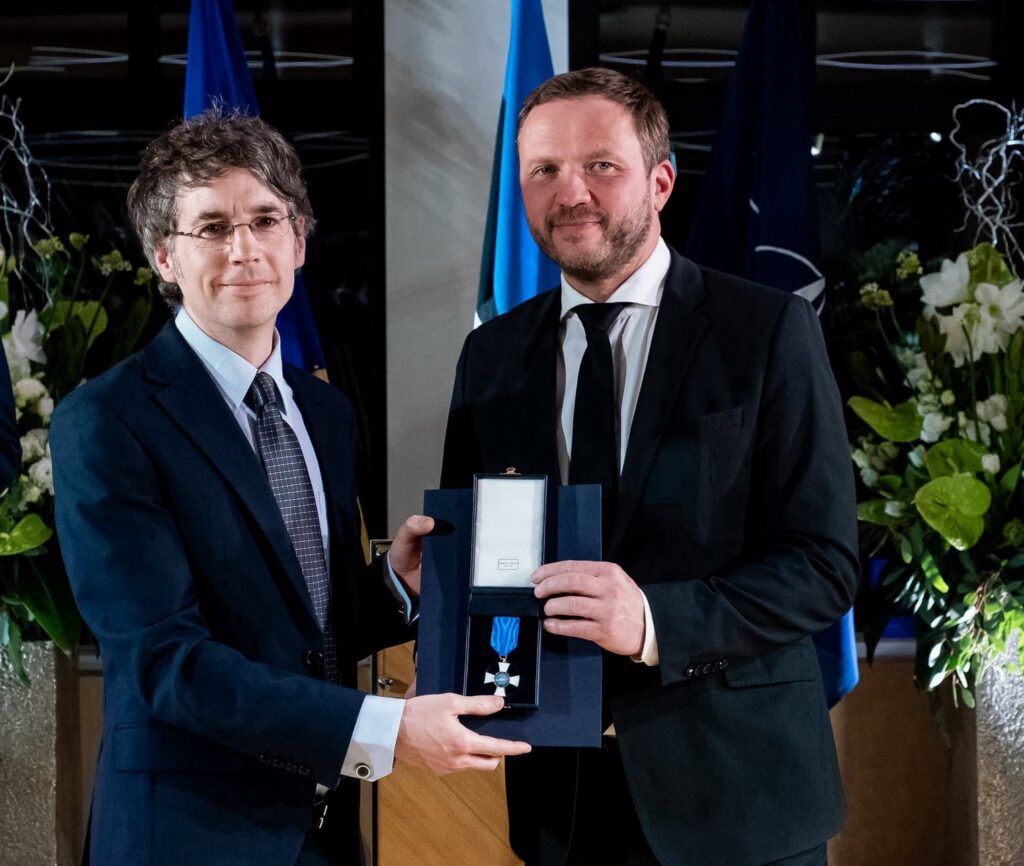
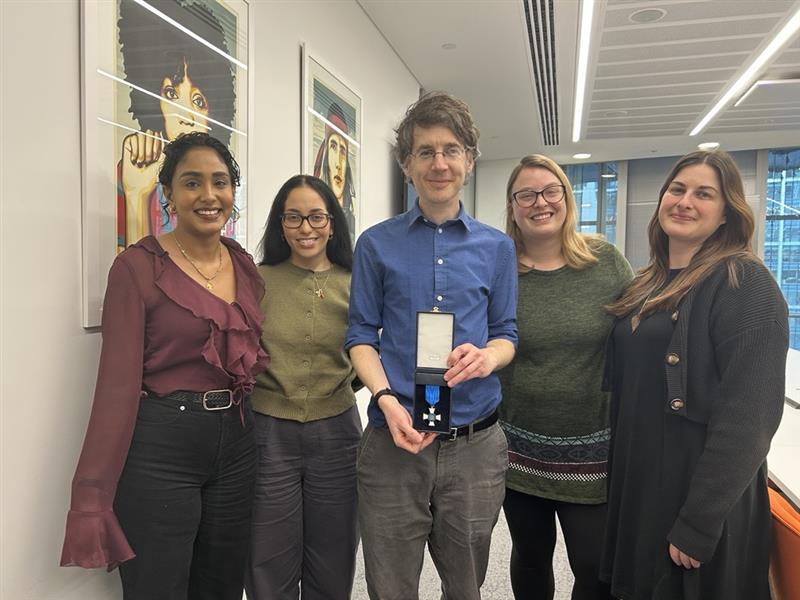
This past month, the Secretariat was awarded the Cross of Merit from the Estonian Ministry of Foreign Affairs, collected by Derek Thorne, Head of the MFC Secretariat, in recognition of the Secretariat’s support to Estonia while it was co-chair of the Coalition from 2023-25.
Advancing press freedom globally
The Secretariat is the Coalition’s dedicated team of staff, with the aim of ensuring it is organised and coordinated and optimising its impact. Established in 2022, the Secretariat has played a key role in the development and expansion of the Coalition’s work, alongside the member countries. Collaboration with the Coalition’s expert stakeholders is also key: the Consultative Network of civil society organisations and the High Level Panel of Legal Experts on Media Freedom.
The Secretariat plays an intermediary role between those different groups, ensuring up-to-date information on media freedom threats and responses is circulated while being kept secure. It has supported the Coalition with:
- Toolkits and resources, including the widely used MFC Embassy Toolkit, which is a handbook for embassies on how to promote media freedom;
- Mobilising the embassies of Coalition member countries to take a range of actions, from public statements supporting journalists to visiting journalists in prison;
- Ensuring member countries act on critical cases of concern;
- Encouraging government-civil society collaboration; and
- Documenting the Coalition’s work and impact to improve transparency and legitimacy.
Mobilising members for change
The Secretariat’s focus is on ensuring governments take concrete and strategic action on media freedom issues and cases – and these actions can contribute to positive results.
In 2024, a public statement and trial monitoring by Coalition embassies, alongside advocacy by civil society organisations and others, contributed to DR Congo journalist, Stanis Bujakera Tshiamala’s, release from prison after being detained for six months.

I felt that I was not alone, it reassured me, and this presence gave me strength on a personal level … The judges and the public prosecutor saw that the case was followed at the highest level and that irregularities and manoeuvres were going to be documented.
In 2025, the Secretariat helped facilitate a landmark media freedom mission to the Philippines. Press freedom organisations from the Coalition’s Consultative Network – a group of national, regional and international organisations – worked with embassies to spotlight the safety of journalists in the country, resulting in the visit by the Dutch Deputy Ambassador to Frenchie Mae Cumpio, the only detained journalist in the Philippines.
Another key role of the Secretariat is to make it possible for countries with limited capacity to take on leadership roles within the Coalition. The MFC is led by two co-chairs at any one time, each of which serves a term of two years.
Without the support of the MFC Secretariat, member countries with a small foreign service and limited number of diplomatic representations across the globe would hesitate to become a co-chair of the Coalition. The extra hands that the MFC Secretariat guarantees enables us to achieve significantly more.
High-impact work
An independent evaluation of the Coalition, published earlier in 2025, highlighted how the MFC had made “notable contributions” to media freedom globally, and credited the Secretariat with increasing levels of transparency and ensuring more structured decision making, while its information-sharing role was “valued highly by the member states.”
In supporting member governments and the Coalition’s stakeholders to collaborate more closely and efficiently and ensuring they have the tools and resources to do so, the Secretariat plays an important role in making the Coalition more effective.
Find out more about how the MFC promotes media freedom.
Share


Sign up to our newsletter
More News
View All
World’s largest dataset shows companies are adopting AI much faster than they are governing it
The Thomson Reuters Foundation has released its findings on the global corporate…
Read More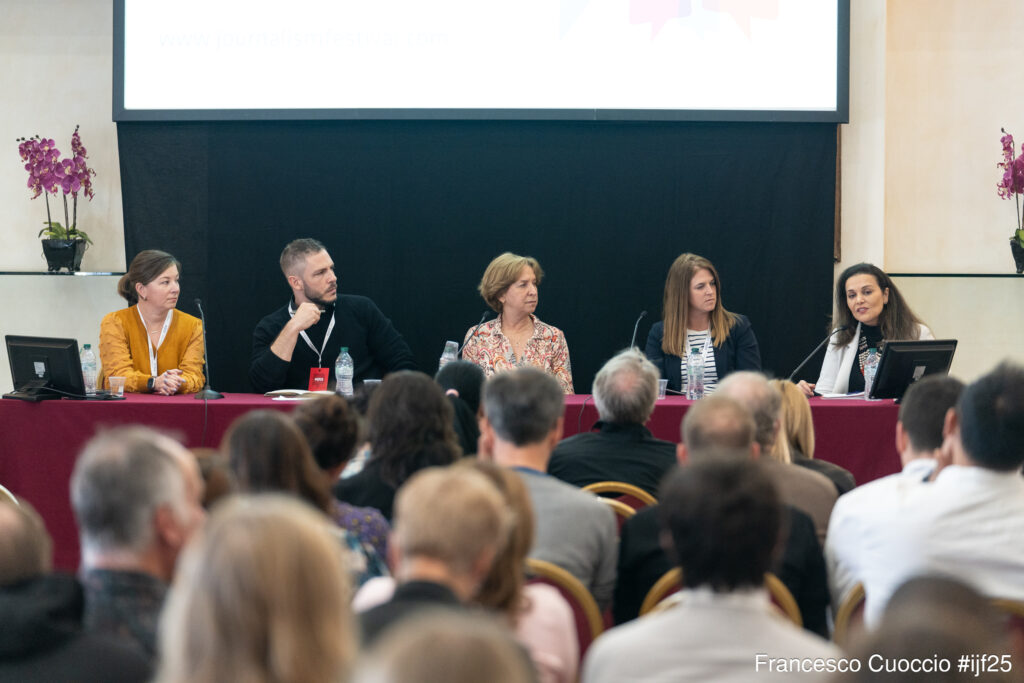
Perugia International Journalism Festival 2026: Where to find us
This year, we’ll be discussing the…
Read More
Welcoming our new Director of Insights & Innovation, Rebecca Vincent
We are delighted to…
Read More
Supporting women’s participation in financial investigative journalism in sub-Saharan Africa
We supported women’s participation in business reporting and enhanced…
Read More
Welcoming our new chairman – and honouring a remarkable legacy
Our CEO, Antonio Zappulla,…
Read More
Statement on the Closure of the Context News Brand
A statement on the Closure of the Context News Brand from…
Read More
Supporting media and CSOs to curb illicit financial flows across sub-Saharan Africa
We…
Read More
Our impact in 2025: Building resilience in a turbulent year
Our CEO Antonio Zappulla reflects on 2025:…
Read More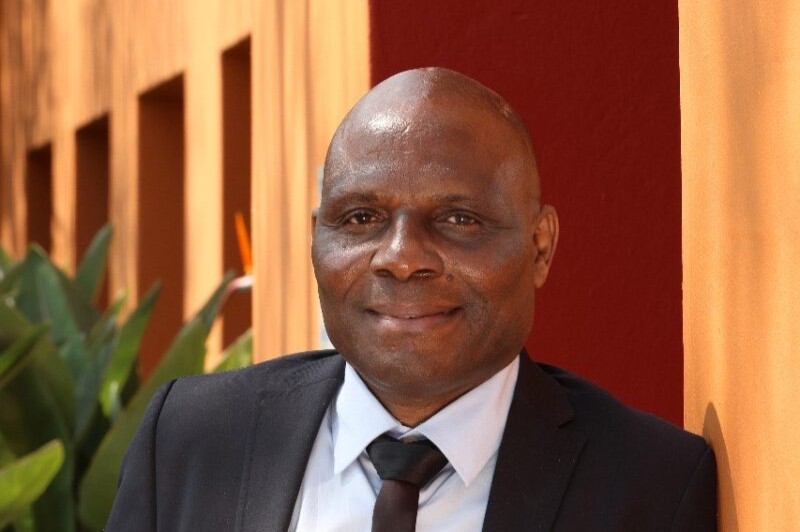
Uncovering illicit financial flows: Training that transformed one journalist’s approach to reporting
Find out how training from the Thomson Reuters Foundation transformed Fidelis…
Read More
Legal needs are rising for NGOs amid attacks on civil society and funding cuts, our latest report finds
Our new report finds that legal needs amongst NGOs have risen significantly over the last…
Read More

