


For too long, media freedom has been positioned as a laudable aspiration rather than a real priority, with strong but often fragmented evidence of its contribution to economic stability, national security and information integrity. That’s why a new report, The Value of Journalism, is critical and timely in revealing the undeniable value of journalism for societies and individuals.
This year, the global situation reached a critical juncture: for the first time in the World Press Freedom Index’s 25-year history, more than half of all countries now fall into the two lowest categories “difficult” and “very serious.” This coincides with a period when we have seen the rapid decline of democracies, and the rise of autocracies.
The Value of Journalism collates the latest global evidence on how journalism can boost economic growth, uphold good governance and support national security. Commissioned by DW Akademie, the International Fund for Public Interest Media (IFPIM) and UNESCO, the Thomson Reuters Foundation contributed to this paper as a member of the Media Viability Manifesto Research Working Group.

This isn’t just about news; it’s about national stability and social cohesion.
This isn’t just about news; it’s about national stability and social cohesion. A newsroom that cannot financially sustain itself, protect itself from foreign interference or counter disinformation cannot hold power to account. Thanks to this research, we can now also demonstrate that GDP growth slows when press freedom declines.
The decisive, evidence-based takeaways from this report present practitioners, funders and policymakers with an actionable, low-cost mandate to prioritise media freedom, in terms that will resonate more strongly than ever. The return on investment is clear: every $1 spent on journalism can result in more than $100 in savings to the public, and as little as 0.1% GDP could fund healthy public media and secure information environments for citizens around the world.
But at a time when independent media faces sustained attacks and financial pressures, funding alone won’t ensure its survival. We provide training, legal and operational support to newsrooms and journalists around the world, to strengthen their resilience against these relentless threats. This report demonstrates why this kind of support is critical to ensure the flow of trusted information that can safeguard growth and national security.
Share


Sign up to our newsletter
More News
View All
World News Day: every $1 invested in journalism can return $100 to society. So why are we letting it collapse?
Defending journalism is not just a moral responsibility. It’s an economic and democratic…
Read More
AI legislation is important in upholding universal human rights
Our Director of Responsible Business,…
Read More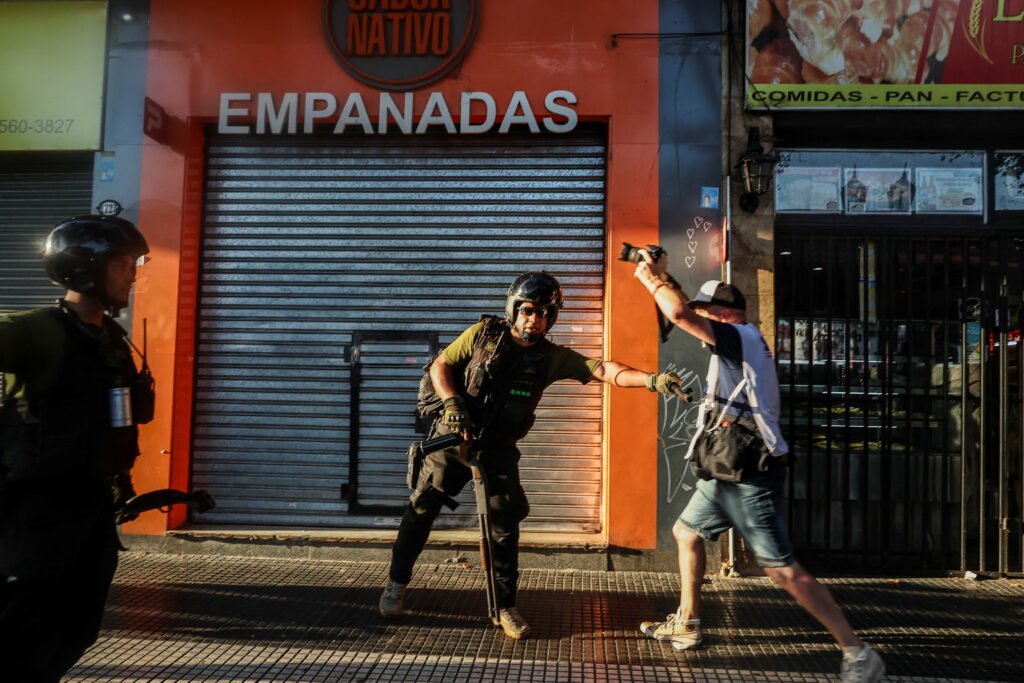
How civil society can counter the rise of legal restrictions across Latin America
New…
Read More
Legal support: a lifeline for civil society and democracy
How democracies become stronger when civil society…
Read More
How upholding workers’ rights builds democratic resilience
How businesses treat their workers…
Read More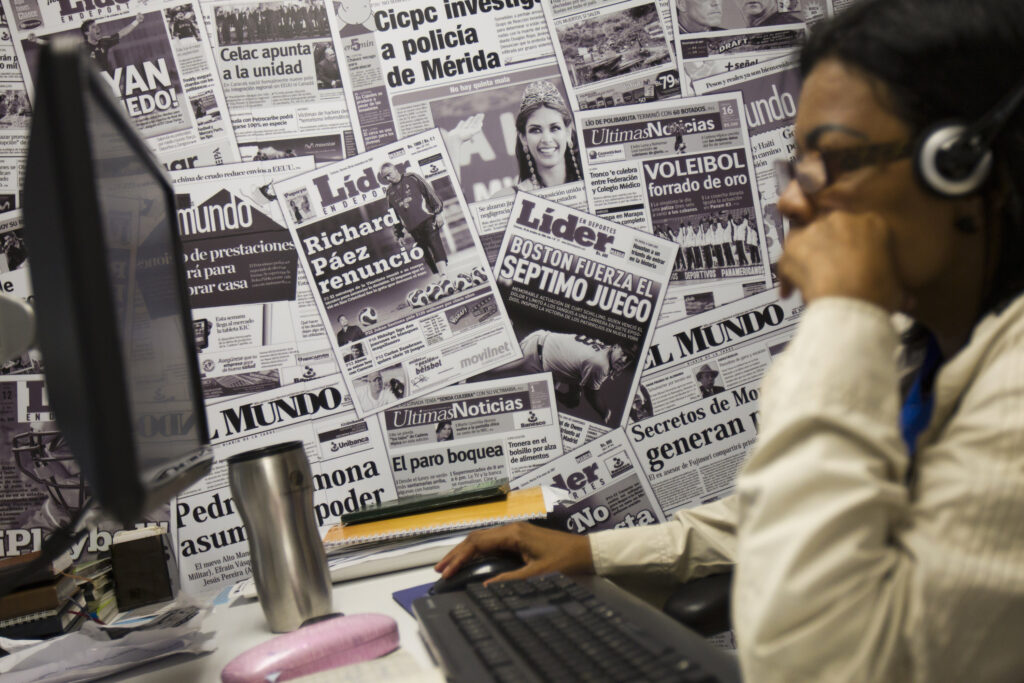
Protecting independent media is protecting democracy
How protecting independent media protects democracy itself.
Read More
What legal risks do content creators face? 5 key considerations for influencers
Content…
Read More
What the EU’s Procurement shift could mean for workforce disclosure
In the wake of the…
Read More
Why existing support for civil society can’t solve this crisis
Most support wasn’t designed…
Read More
What happens when content creators and journalists come together?
Our Multimedia Editor for Openly,…
Read More

