


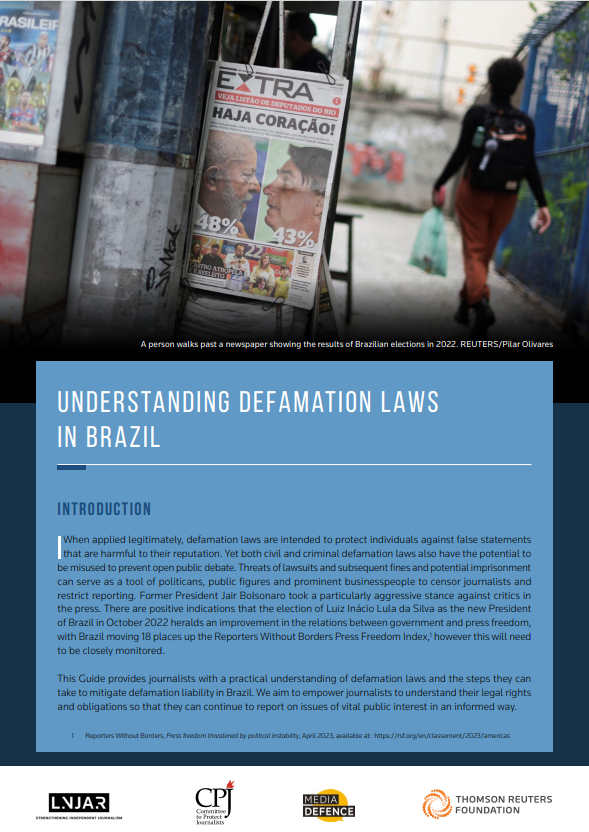
When applied legitimately, defamation laws are intended to protect individuals and businesses against false statements that are harmful to their reputation. Yet both civil and criminal defamation laws have the potential to be misused to prevent open public debate.
This Guide provides journalists with a practical understanding of defamation laws and the steps they can take to mitigate defamation liability in Brazil. This awareness will empower journalists to understand their legal rights and obligations and continue to report on issues of vital public interest. This was produced by the Steering Committee of the Legal Network for Journalists at Risk, namely the Committee to Protect Journalists, Media Freedom and Thomson Reuters Foundation.


Related resources
View all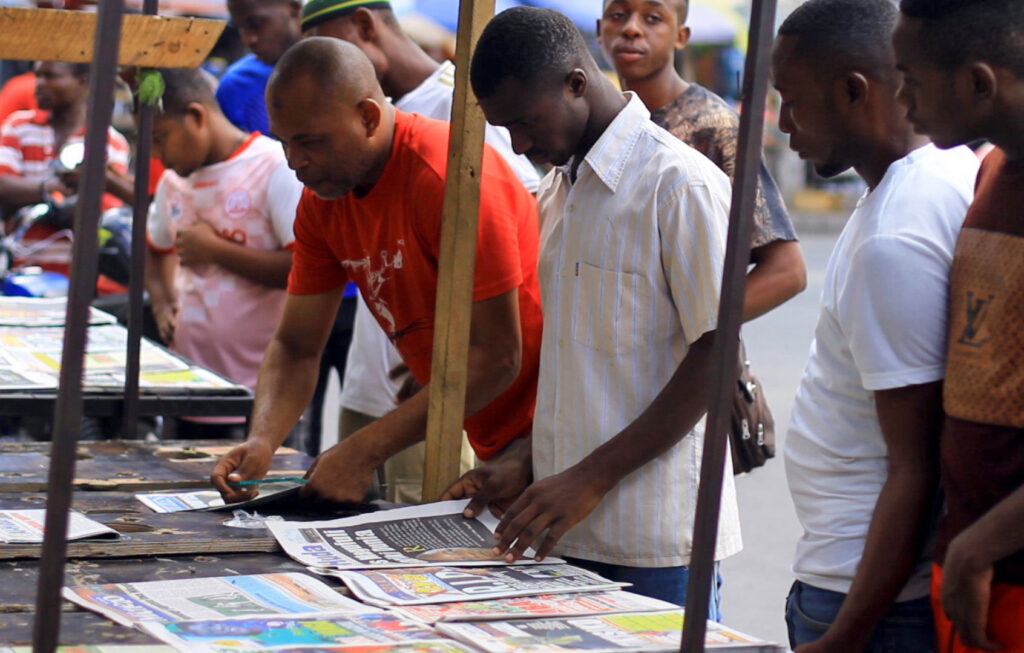
Legal guidelines on the use of AI in newsrooms (Kenya and Tanzania)
These legal guidelines aim to…
Read More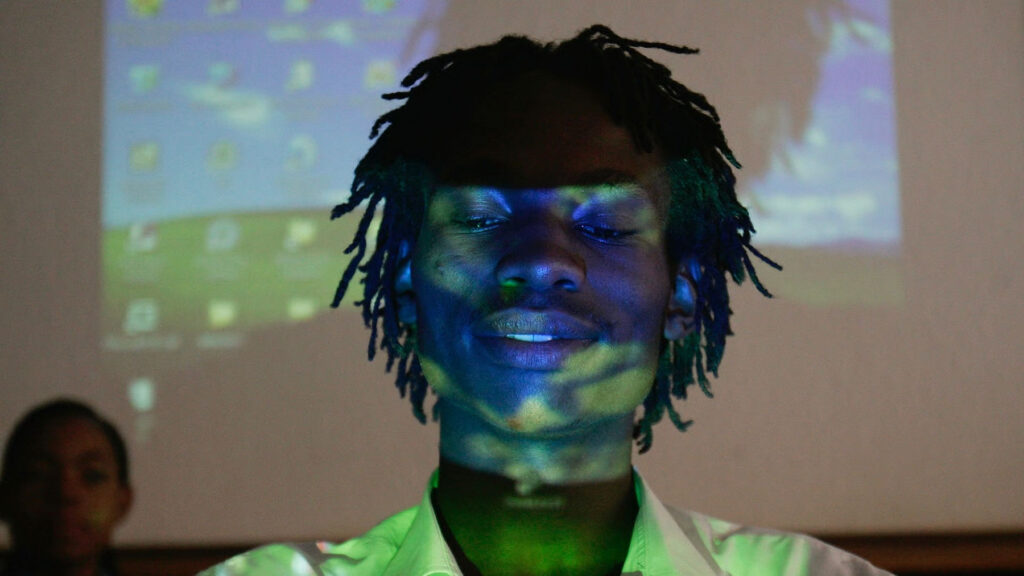
Casebook for newsroom AI prototypes and governance
This casebook documents what six small and mid-size newsrooms…
Read More
Before you publish: Middle East and North Africa legal pre-publication review guide for journalists
This Guide aims to assist journalists in the Middle East and North Africa in…
Read More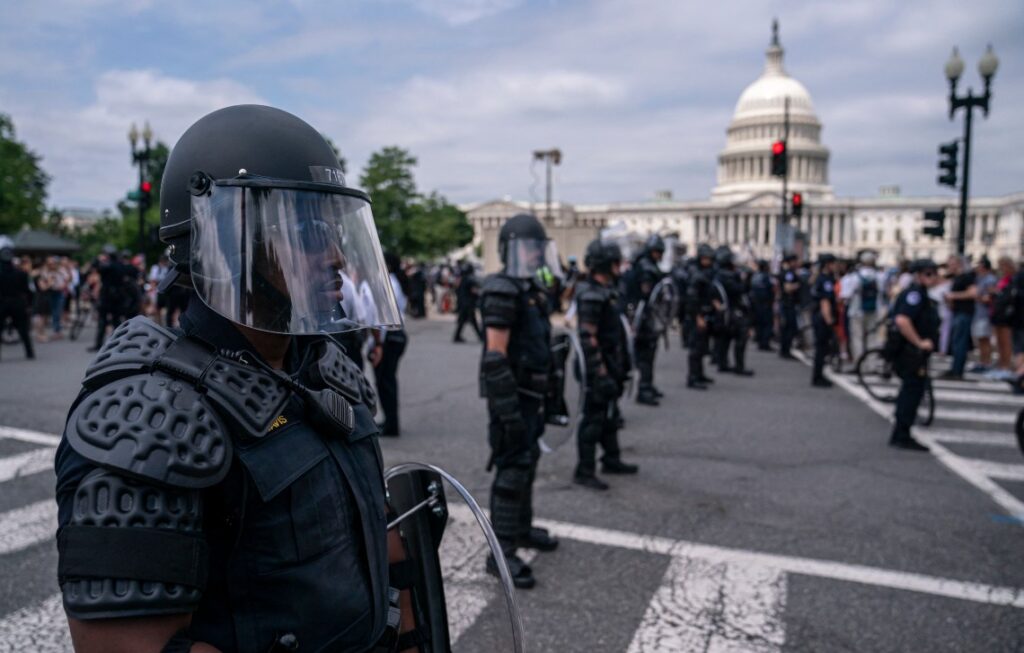
Know your rights guide for journalists covering protests in the U.S.
A guide for journalists in the…
Read More
AI use and best practice policy for newsrooms – Argentina
A practical guide which provides…
Read More
AI use and best practice policy for newsrooms – Uruguay
A practical guide which provides newsrooms…
Read More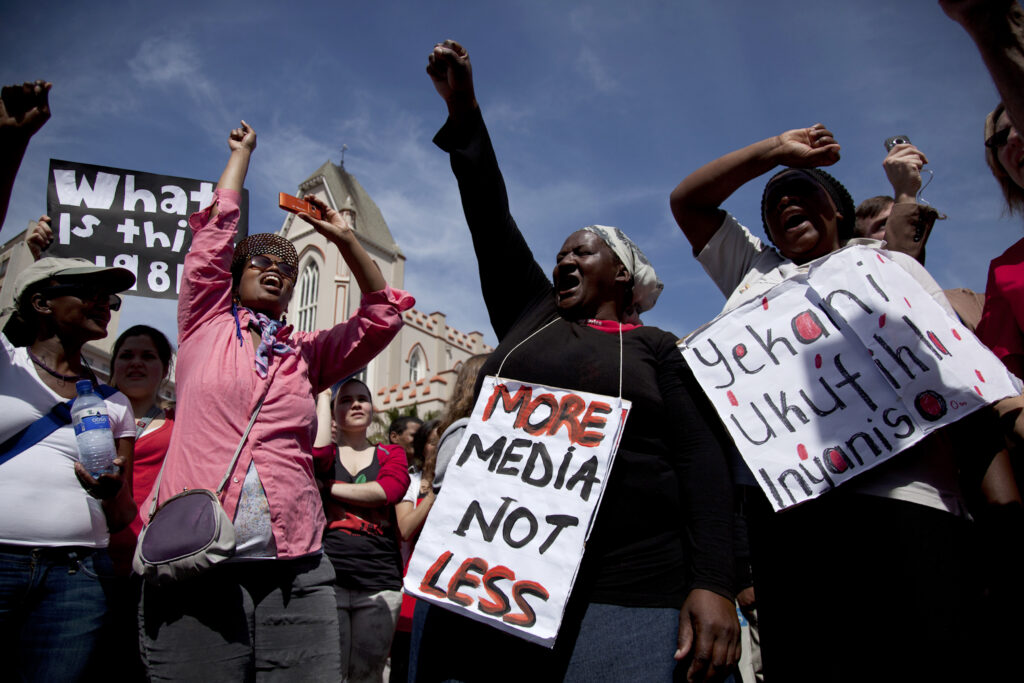
Weaponising the law: Threats to media freedom in South Africa
The legal threats eroding South Africa’s…
Read More
The global impact of the EU AI Act
This report is essential reading for business leaders navigating AI governance…
Read More
A New Generation of Laws Is Restricting Civic Space in Latin America
Civil society is under…
Read More
A Practical Guide to Copyright Claims
This resource will allow CSOs and newsrooms to understand and comply with U.S….
Read More

