A visitor checks laptops during the opening day of Madrid’s International Data Processing, Multimedia and Communications SIMO Fair November 7, 2006. REUTERS/Victor Fraile (SPAIN)
The Thomson Reuters Foundation has released its findings on the global corporate adoption of AI, based on the AI Company Data Initiative (AICDI) – the world’s largest dataset on how companies are using AI.
AICDI analysed publicly available information from almost 3,000 global companies across 11 sectors and found that there is a transparency gap between businesses’ ambition to harness the potential of AI, and the mechanisms in place to manage its risks.
These findings suggest that the challenge of responsible AI is no longer awareness but ensuring principles translate into practice. Our AI Company Data Initiative provides a comparable, actionable dataset so that companies and investors can identify good practice and material risk.
KF
Katie FowlerDirector of Responsible Business, Thomson Reuters Foundation
Helping the workforce adapt to AI
AICDI data found that companies are not demonstrating how they are preparing employees to adapt to AI, potentially leaving themselves vulnerable to talent and productivity losses:
Just over one in ten companies report that they had policies in place to mitigate the negative impacts of AI systems on workers
A third of companies say that they offered some AI-related training to employees, and fewer of them measure the training outcomes, leaving many workers with piecemeal understanding of this technology and it may change jobs in the future.
Ethical impact of AI
Companies share limited information publicly on the potential human rights impact of AI despite growing pressure from regulators, policymakers and campaigners. The policies analysed by AICDI frequently covered high-level principles but there was less specific evidence of how ethical risks were managed in practice.
For example, roughly one in ten companies reported that they had a policy to ensure that a human oversees AI systems, while only 7% of companies reported assessing the human rights impact of AI.
Governance transparency gap
There is also a transparency gap when it comes to what companies make public about how they govern their AI use.
Nearly half of the companies sampled shared publicly that they have an AI strategy
Just over one in ten companies publicly committed to a recognised governance framework or standard
Less than a third have a dedicated team or resource for AI governance
While 15% of companies publicly stated the use of AI in HR processes, many do not communicate this matter publicly.
This suggests that most companies’ AI strategies are focused on accelerating adoption and extracting value rather than on establishing robust governance, responsible AI commitments or future-proofing their workforce.
Driving responsible AI through data
Grounded in the UNESCO Recommendation on the Ethics of AI – the leading global standard on AI ethics – and powered by the Foundation, our initiative is a framework to inform responsible investment decisions, and for companies to self-assess their AI adoption and mitigate risks.
AICDI offers a free tool for companies to map where AI is used across products, operations and services, to help them implement comprehensive governance policies.
The initiative is backed by a group of investors with combined assets under management of $1.2 trillion, to inform their stewardship.
Empowered with this data, companies and investors are better equipped to navigate upcoming laws and audits as regulations catch up with AI technology.
As trust in institutions comes under sustained pressure, the Thomson Reuters Foundation is proud to join global media leaders at Perugia’s 20th International Journalism Festival (IJF) – the largest annual media event in Europe – to examine the forces reshaping how information is produced, verified and shared.
From disinformation and AI to increasing legal intimidation and threats against reporters, Perugia’s IJF convenes journalists, legal experts, policymakers and corporations – from Microsoft to the New York Times – to platform discussions on the risks facing independent journalism.
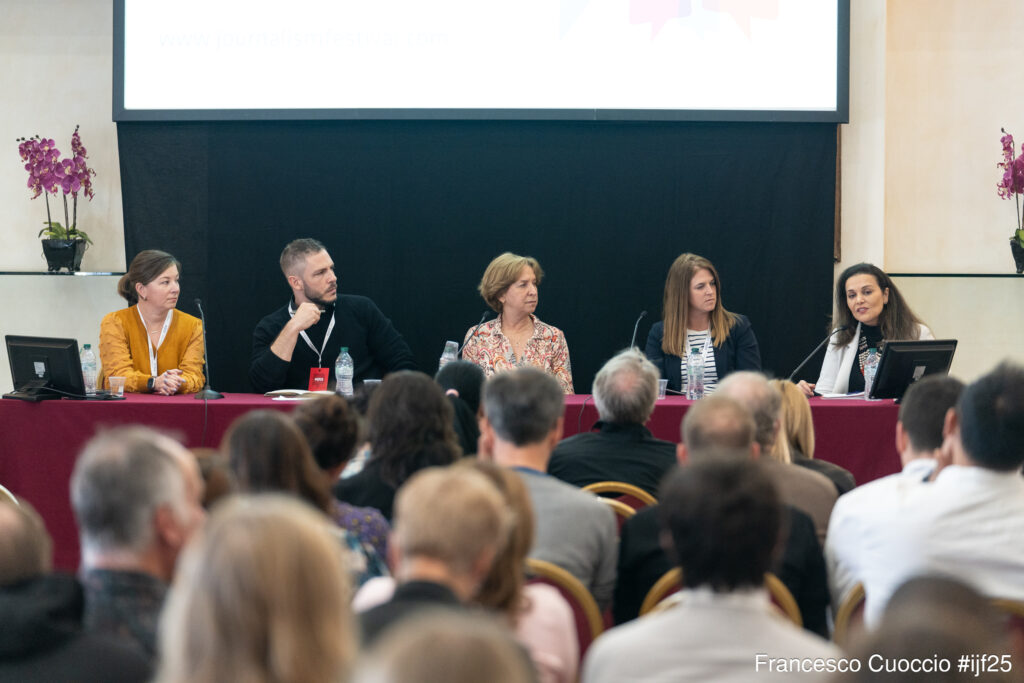
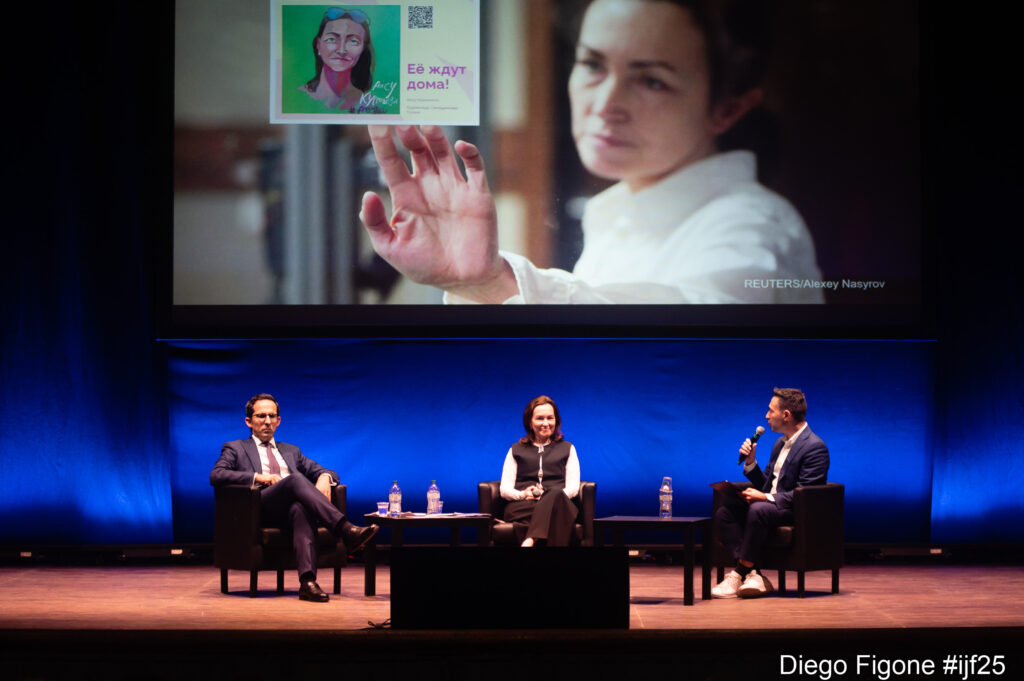
Antonio Zappulla, Alsu Kurmasheva and Can Yeginsu discussing the impact of ‘foreign agent’ laws on journalism at the 2025 International Journalism Festival in Perugia.
As long-term participants at Perugia’s historic festival, the Foundation has highlighted the wide-ranging dangers facing journalists and the need to protect media freedom, most recently in last year’s panel on the role of the media in an era of rising authoritarianism, moderated by our CEO, Antonio Zappulla.
This year, using our specific expertise across the media and legal landscapes, we’ll be discussing topics from the impact and risks of AI on today’s media landscape, to media freedom and increasing weaponisation of the law against journalists.
The festival takes place between Wednesday April 15th and Saturday April 18th 2026, with panels available to attend for free both in-person and livestreamed online.
Saturday April 18, 2026. 16:00-16:50 local – Auditorium San Francesco al Prato
From the recent Trump vs BBC clash to legal battles involving The New York Times, journalists are increasingly targeted by powerful figures seeking to silence scrutiny.
This session brings together prominent media and legal voices to examine what these confrontations reveal about the state of press freedom, the legal and political risks journalists face, and how the industry can push back against efforts to erode accountability.
This session will be live-streamed and on-demand.
Moderator: Rebecca Vincent, Director of Insight and Innovation, Thomson Reuters Foundation.
Speakers: Caoilfhionn Gallagher – Human Rights Lawyer
Charlie Holt – European Lead at Global Climate Legal Defense
David McCraw – Senior Vice President and Deputy General Counsel at The New York Times
Saturday April 18, 2026. 14:00-14:50 local– Sala delle Colonne, Palazzo Graziani.
AI promises productivity and scale, but for smaller newsrooms, that promise comes with real risks. As traditional platforms decline and search relevance fades, how can publishers innovate and embrace AI on their own terms, without handing over control to Big Tech?
This session will be live-streamed and on-demand.
Moderator: Will Church – Director of Media Freedom Programmes at the Thomson Reuters Foundation
Speakers: Irene Jay Liu – Director AI, Emerging Tech & Regulation at the International Fund for Public Interest Media
Paul McNally – Founding Director at Develop AI
Sannuta Raghu – Head of AI Lab for News and Journalism at Scroll
Friday April 17th, 2026. 14:00-14:50 local – Sala Raffaello, Hotel Brufani.
Learning AI as a team is helping newsrooms move from curiosity to confident use by sharing ideas, supporting each other and learning step-by-step. This session will discuss how this approach saves time, reduces mistakes, and how you can set up a simple, low-cost version in your own newsroom or region.
This session will be live streamed and on-demand
Moderator: Emily Brown – Journalism Director at Microsoft
Speakers: Heba Kandil – Head of Media Initiatives at the Thomson Reuters Foundation
Tristan Loper – Head of National Programs at The Lengfest Institute
Aldana Vales – Coordinator of AI Journalism Labs at the Craig Newmark Graduate School of Journalism CUNY
Coming to Perugia? If you’ll be attending the festival and would like to organise a conversation with our team, please reach out to our Director of Development Natasha Parker at [email protected]
Rebecca Vincent has been appointed as our new Director of Insights & Innovation, at an exciting moment of evolution for the Thomson Reuters Foundation.
She will lead a newly established unit to define and shape the Foundation’s research output, innovate and scale its global events, and strengthen engagement with the communities the organisation serves.
Rebecca is a globally recognised media freedom expert, human rights campaigner and former diplomat, bringing over two decades of experience driving high profile initiatives at the intersection of media freedom, human rights, and international advocacy.
As a previous speaker at Trust Conference and long-time collaborator with the Foundation, Rebecca is ideally positioned to spearhead this work as the Foundation evolves its offering for its global networks of journalists, civil society organisations, lawyers, businesses, policymakers and activists.
Rebecca brings a wealth of experience, having been at the forefront of influential international campaigns and coalitions throughout her career. As the former Director of Campaigns for Reporters Without Borders (RSF), she was a founding steering committee member of the Hold the Line Coalition and the Free Narges Coalition, and played a leading role in the campaign to free Julian Assange, as well as campaigns for justice in cases of murdered journalists, from Daphne Caruana Galizia to Jamal Khashoggi. In her prior work focused on Azerbaijan, she led the Sport for Rights coalition, which was instrumental in securing the releases of jailed journalists and human rights defenders.
Rebecca holds a BA in Political Science from the University of North Texas and an MA in Human Rights from University College London. She is a member of the Advisory Council of the Foreign Policy Centre, the Advisory Board of the Online Violence Early Warning System, and the Magnitsky Human Rights Awards Committee.
As she steps into her new role, Rebecca said:
I’ve long admired the Thomson Reuters Foundation’s unique ability to bring together journalism, law and business to drive positive change, so I’m proud to join its dynamic global team. I’m excited to employ my skills and deep sector knowledge towards achieving impact in a different way through launching the Insights and Innovation Unit.
This new unit will strengthen the Foundation’s research and learning, innovate how we convene global conversations, and deepen engagement with the communities we serve. I look forward to working alongside the Foundation’s partners and communities to further its mission of strengthening free, fair and informed societies.
RV
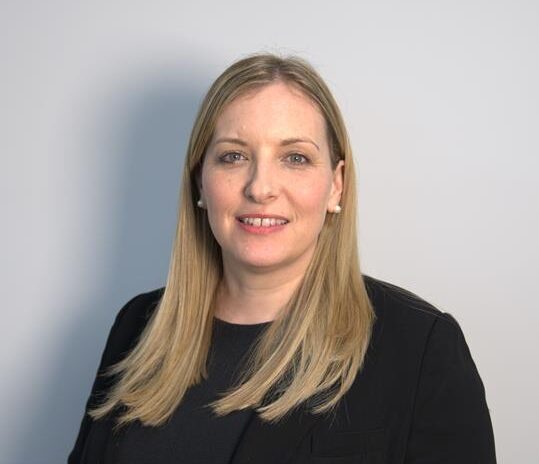
Rebecca VincentDirector of Innovation & Insights, Thomson Reuters Foundation
Women often encounter challenges in the newsroom that shape their participation and visibility in the sector. They are frequently assigned “soft” news, covering community-level stories or entertainment news, while the more complex, technical financial crime or policy angles are widely perceived as a male dominated field. Structural barriers can also affect their entry into journalism. This includes unequal care responsibilities, limited time to complete training applications, and newsroom hierarchies.
Furthermore, if we look specifically at illicit financial flows (IFFs) – the illegal, cross-border movement of money – we see that a lack of understanding of their gendered dimensions can cause important stories and angles to be missed (men and women alike) and can reinforce gender stereotypes. Increasing women’s participation and enhancing journalists’ ability to apply gender analysis into IFF stories can be an initial step towards improving the quality of journalism and cultivating a more equitable media landscape
The Foundation aims to strengthen editorial standards and improve journalists’ resilience against efforts to curtail press freedom. That’s why, in partnership with the Norwegian Agency for Development Cooperation (NORAD), we provided a combination of training and mentoring to journalists across sub-Saharan Africa between 2023-25, to enable them to investigate and report on complex IFF issues. This support strengthened their ability to address IFFs by improving the quality of their financial and business reporting.
In its final phase, the programme made efforts to increase women’s participation and integrate gender considerations into the training content. Over a third of the trained journalists between 2023-25 were women, with one national cohort in Kenya being entirely composed of women.
Improving journalists’ ability to report on the gender dimensions of IFFs
The training embedded gender-specific elements that examined the disproportionate impact of IFFs on women, including their economic opportunities, access to public services, and vulnerability to exploitation. It recognised gender as an integral analytical dimension, by looking at how IFFs affect men and women differently and by considering the different actors involved – leading to more nuanced and accurate stories. For example, stories exploring women’s involvement in rhino poaching syndicates uncovered how economic marginalisation shapes participation in economies linked to illicit activities.
Accounting for this range of experiences supports more accurate coverage of IFFs and helps journalists produce balanced, higher quality stories, ultimately strengthening accountability reporting.
Women reporters covering business stories
We spoke to one participant, Rosemond Akuorkor Adjetey, journalist at EIB Network in Ghana, about how this training influenced her approach to IFF reporting.
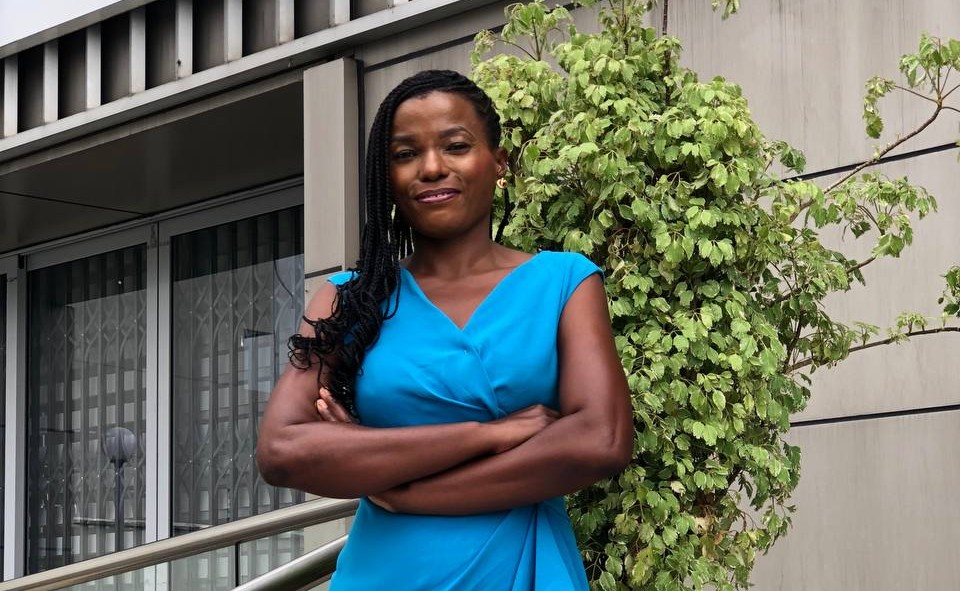
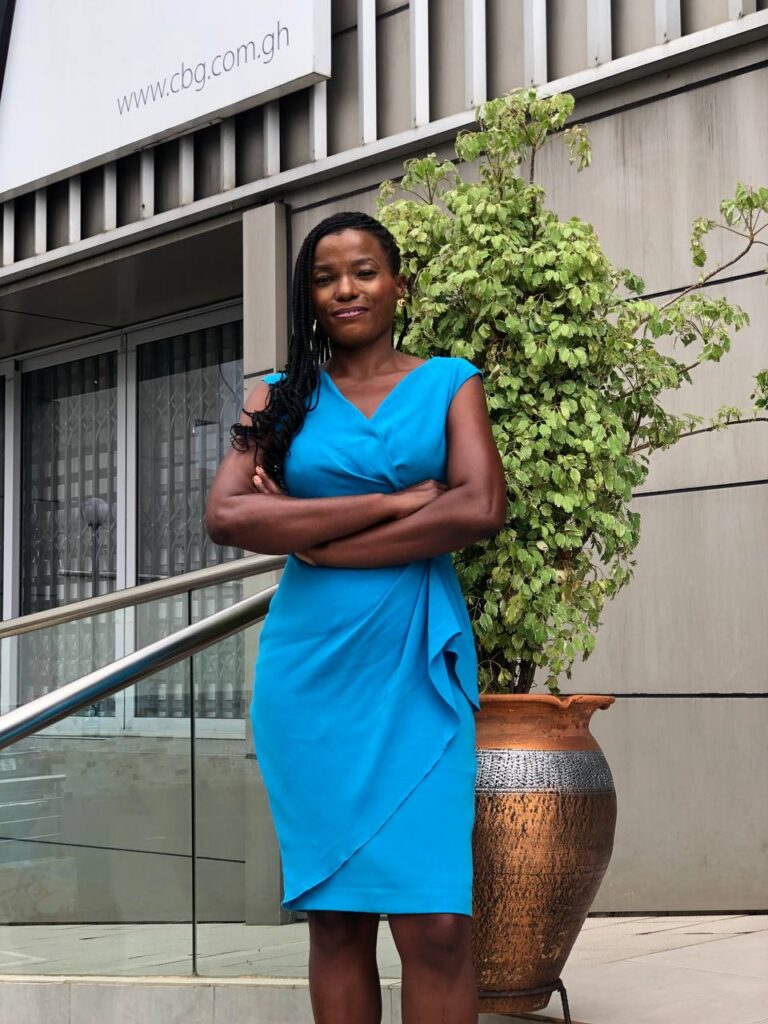
Rosemond Akuorkor Adjetey
Rosemond noted that within Ghana’s media environment, most media houses practice general journalism instead of specialised reporting, until journalists develop a personal interest in a particular field. She added that one of the major challenges women face in business reporting is the persistence of preconceived ideas about their capabilities.
She also spoke about the structural and confidence barriers that limit women’s entry into this space, a reminder of the importance of creating capacity-building opportunities for women journalists, particularly in reporting on IFFs.
There are very few [women] that I know [that are pursuing investigative business journalism]. It’s not that encouraging. The moment they come in and you tell them, “we would love for you to [cover] business,” they say, “oh, I can’t do it, it’s too difficult”. Their mindset is that most of these business stories are too complicated, and that men are the ones to do this kind of job.
Training that improved approaches to IFF reporting
In discussing her own experience, Rosemond highlighted that prior to the training, she had difficulty approaching and interviewing sources, as well as getting information from institutions. This was also echoed by many of the other participating female journalists, who described the skepticism from sources when covering business stories. Following the training, and with the help of a mentor, Rosemond recognised that she had become more resilient in her approach.
Now I know how to get the right information and how to get people on board to take part in my story. [I know] how to approach having difficulties or having my requests declined.
She also noted many improvements in her reporting, including her style of writing, story angles, and how to protect her sources. She further acknowledged that the mentoring she received influenced the way she now develops and produces stories.
[It’s important] that there’s a mentor there to teach [women journalists] and give them assurance. Once they have that and they understand the technicalities in business reporting, it becomes easier for them to manage it.
Investing resources in training women reporters
Rosemond emphasised the need for greater investment in training in this sector. She highlighted how training that breaks down the complexities around IFFs could lower barriers to entry and make this type of journalism more appealing.
Once [women] receive this type of training, I’m sure they would love to do more investigative reporting. [With more training like this] more women will be able to take up space in business reporting.
Following the training, Rosemond went on to win two awards, one of them being the Best in Business and Economic Reporting award at the 29th Ghana Journalists Association (GJA) Awards.
Rosemond Akuorkor Adjetey wins at the 29th GJA Awards on 8 November, 2025
The award is one of my proudest moments. Business news is challenging and as a female finance reporter, breaking down these barriers and winning the award is a dream come true.
If you want to find out more about our work training journalists and CSOs across sub-Saharan Africa, visit our page here.
I am delighted to share some significant news about the leadership of the Thomson Reuters Foundation’s UK Board of Trustees.
I am pleased to announce that Mike Eastwood, outgoing Chief Financial Officer of Thomson Reuters, has been appointed as the new Chairman of our UK Board of Trustees, effective May 2026. Mike steps into this role at a genuinely pivotal moment for the Foundation, and I could not be more delighted to welcome him.
Mike’s connection to the Thomson Reuters family is a long and distinguished one. His 26-year-career at the company is a tenure that speaks to his loyalty, understanding and principled leadership. His extensive, financial expertise spanning multiple disciplines will be an extraordinary asset to our board. Mike’s appointment also reflects the enduring strength and depth of the relationship between the Thomson Reuters Foundation and Thomson Reuters – a partnership that has been, and will continue to be, central to everything we are able to achieve.
As the Foundation moves into the next phase of its evolution – responding with urgency and ambition to the needs of the communities we serve – having a Chairman of Mike’s calibre, experience and dedication at the helm of our board will be invaluable. We are looking forward enormously to working alongside him, and I know the Foundation’s Trustees share my enthusiasm for what we will build together.
It is a genuine honour to be appointed Chairman of the Thomson Reuters Foundation’s UK Board of Trustees, and I come to this role with enormous enthusiasm and a deep sense of purpose. The Foundation’s mission – to bolster the resilience of independent media, strengthen access to the law, and foster responsible business practices – has never felt more vital, and I am committed to supporting the extraordinary work of Antonio and the team as they rise to meet the challenges ahead.
I look forward to building on the strong foundations my predecessor, Jim Smith, has laid, and to working alongside a board and staff whose dedication to this mission is truly inspiring. The best, I believe, is still to come.
ME
Mike EastwoodIncoming Chairman of the Board
As we celebrate this new beginning, it would be impossible to do so without recognising the dedication and leadership of the Foundation’s outgoing Chairman of the Board, Jim Smith.
Jim joined our board when he stepped down as President and CEO of Thomson Reuters in early 2020, and in the years since, has been an extraordinary steward of this organisation. Jim spent more than three decades with the Thomson organisation, starting in a newsroom and eventually leading the company. He brought a valuable combination of journalistic instinct and executive vision to his chairmanship of our board, and the Foundation is immeasurably richer for it.
Jim has guided our board through times of immense change – in the world, in the media landscape, in the philanthropic environment, and within our own organisation. His leadership has been strong and steady throughout, always anchored in a genuine belief in what this Foundation stands for and what it can achieve.
It has been a privilege to work with the talented team at the Thomson Reuters Foundation. Their work to support independent journalism and strengthen access to the law has never been more important than it is today. And Antonio couldn’t have a better partner than Mike to lead the organisation forward.
JS
Jim SmithOutgoing Chairman of the Board
On behalf of everyone at the Thomson Reuters Foundation – our staff, our partners, and our broader community – I want to say a profound and heartfelt thank you to Jim. His legacy is one we will carry forward with pride.
V-DEM’s latest Democracy Report highlights freedom of expression as the worst-affected aspect of democracy in the past ten years, with government media censorship efforts as the main driver of this.
Against this backdrop, the Foundation has hosted the Media Freedom Coalition (MFC) Secretariat since 2022. The Secretariat is responsible for ensuring the Media Freedom Coalition (MFC) – a partnership of over 50 countries from six continents working together to advocate for media freedom and the safety of journalists – operates effectively, so that its member countries can be as active as possible in promoting media freedom at home and abroad.
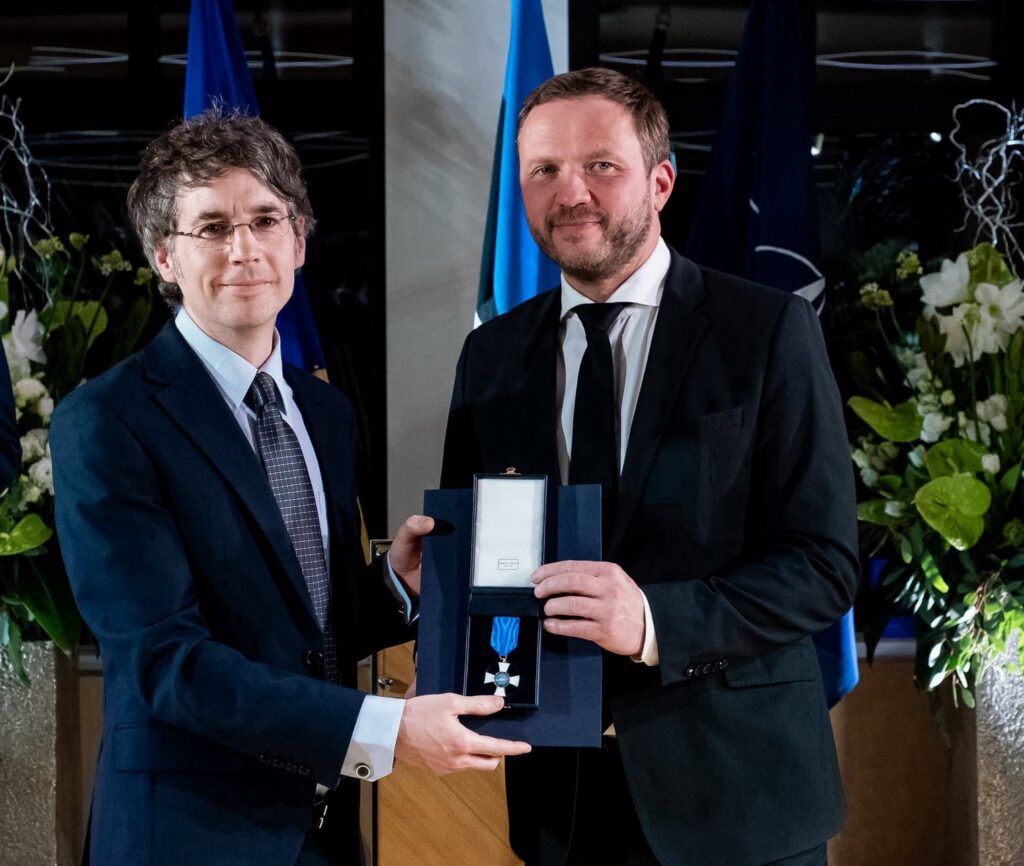
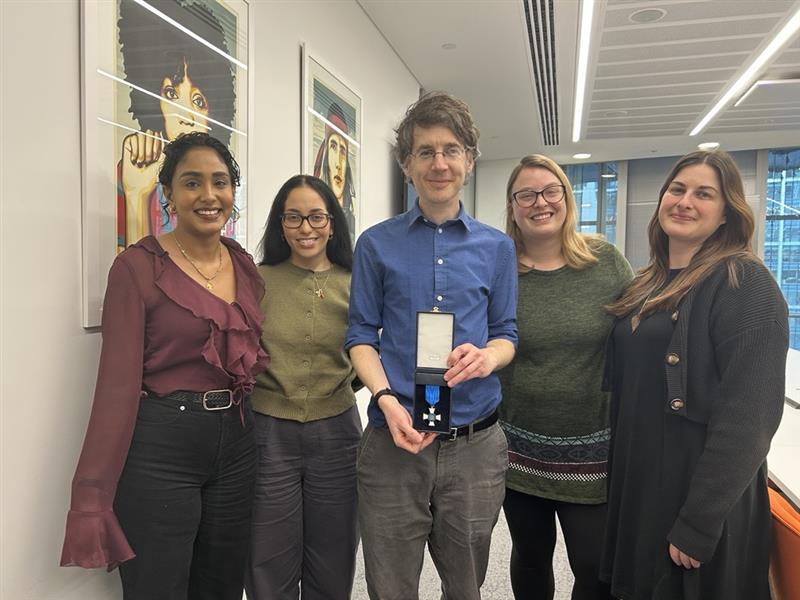
This past month, the Secretariat was awarded the Cross of Merit from the Estonian Ministry of Foreign Affairs, collected by Derek Thorne, Head of the MFC Secretariat, in recognition of the Secretariat’s support to Estonia while it was co-chair of the Coalition from 2023-25.
Derek Thorne, Head of the Media Freedom Coalition Secretariat, collects the Cross of Merit from Estonian Foreign Minister Margus Tsahkna in Tallinn, on behalf of the Secretariat.
Advancing press freedom globally
The Secretariat is the Coalition’s dedicated team of staff, with the aim of ensuring it is organised and coordinated and optimising its impact. Established in 2022, the Secretariat has played a key role in the development and expansion of the Coalition’s work, alongside the member countries. Collaboration with the Coalition’s expert stakeholders is also key: the Consultative Network of civil society organisations and the High Level Panel of Legal Experts on Media Freedom.
The Secretariat plays an intermediary role between those different groups, ensuring up-to-date information on media freedom threats and responses is circulated while being kept secure. It has supported the Coalition with:
Toolkits and resources, including the widely used MFC Embassy Toolkit, which is a handbook for embassies on how to promote media freedom;
Mobilising the embassies of Coalition member countries to take a range of actions, from public statements supporting journalists to visiting journalists in prison;
Ensuring member countries act on critical cases of concern;
Encouraging government-civil society collaboration; and
Documenting the Coalition’s work and impact to improve transparency and legitimacy.
Mobilising members for change
The Secretariat’s focus is on ensuring governments take concrete and strategic action on media freedom issues and cases – and these actions can contribute to positive results.
In 2024, a public statement and trial monitoring by Coalition embassies, alongside advocacy by civil society organisations and others, contributed to DR Congo journalist, Stanis Bujakera Tshiamala’s, release from prison after being detained for six months.
I felt that I was not alone, it reassured me, and this presence gave me strength on a personal level … The judges and the public prosecutor saw that the case was followed at the highest level and that irregularities and manoeuvres were going to be documented.
SBT
Stanis Bujakera TshiamalaJournalist in DR Congo, commenting on the importance of trial monitoring by MFC member embassies
In 2025, the Secretariat helped facilitate a landmark media freedom mission to the Philippines. Press freedom organisations from the Coalition’s Consultative Network – a group of national, regional and international organisations – worked with embassies to spotlight the safety of journalists in the country, resulting in the visit by the Dutch Deputy Ambassador to Frenchie Mae Cumpio, the only detained journalist in the Philippines.
Another key role of the Secretariat is to make it possible for countries with limited capacity to take on leadership roles within the Coalition. The MFC is led by two co-chairs at any one time, each of which serves a term of two years.
Without the support of the MFC Secretariat, member countries with a small foreign service and limited number of diplomatic representations across the globe would hesitate to become a co-chair of the Coalition. The extra hands that the MFC Secretariat guarantees enables us to achieve significantly more.
KK
Katrin KiviEstonia’s Human Rights Ambassador
High-impact work
An independent evaluation of the Coalition, published earlier in 2025, highlighted how the MFC had made “notable contributions” to media freedom globally, and credited the Secretariat with increasing levels of transparency and ensuring more structured decision making, while its information-sharing role was “valued highly by the member states.”
In supporting member governments and the Coalition’s stakeholders to collaborate more closely and efficiently and ensuring they have the tools and resources to do so, the Secretariat plays an important role in making the Coalition more effective.
The UK-based members of the Media Freedom Coalition Secretariat team at the Thomson Reuters Foundation office in London, United Kingdom, February 2026.
Over the past year, the world has fundamentally changed.
We are experiencing the most profound geopolitical shift in 50 years, the erosion of multilateralism and fundamental rights, the rapid acceleration of sophisticated legal attacks against journalists and civil society groups, a frenetic acceleration of AI adoption, a sharp contraction in government and private sector funding, and a systemic realignment of priorities for long-standing philanthropic organisations.
Since my first day as CEO, I’ve made it my priority to ensure that my team and I adopt a flexible mindset, and that we understand and meet the evolving needs of the communities we serve, today and tomorrow. That means staying ahead of the curve, anticipating trends, adjusting how we allocate our resources, and constantly thinking about where the organisation should be in the next few years.
I spent the past 12 months connecting with the communities we work with, and with fellow CEOs of organisations within our ecosystem, comparing notes, listening to their needs, and taking stock.
I think I speak for many when I say that 2025 was a year like no other, characterised by profound uncertainty and fundamental shifts and re-adjustments.
The journalists and the independent newsrooms we work with have been struggling with plummeting search traffic, rising product costs, increased competition from content creators and declining revenue. They have been urging us to provide more support in areas like AI adoption, content monetisation, and legal assistance.
The NGOs within our large civil society network have been severely impacted by sweeping cuts to international development budgets. Concurrently, as the number of democracies around the world plunges to the lowest level in history, they have also been targeted by a disturbing uptick in legal attacks aimed at silencing dissent towards institutions. And so, civil society organisations have been requesting more legal and tax guidance from us, especially on issues such as regulatory compliance, mergers, and registration in foreign countries.
In response to greater political scrutiny over pro bono legal initiatives, lawyers and in-house counsels have been reaching out expressing the need for more opportunities to share insights on how best to continue deliver outstanding pro bono support at a time of increased risk.
The investors in our network have expressed alarm at the blatant governance gaps in how businesses are adopting AI, exposing a greater need for transparency and data. Companies have asked for actionable insights to help them implement AI technology across their operations, services and products, mitigating potential harm to business, people and planet., media and technology trends and predictions 2026
This listening exercise has been relentless, at times all-consuming and even overwhelming. But it has reminded me of one thing: at times of high uncertainty, trust is the only source of clarity and strength. And – as they navigate turbulent times – our partners clearly see us as a critical and trusted partner to rely on. They need us, now more than ever.
And that is why it’s critical that – as an organization – we shift our focus to prioritize what our networks have told us they need most.
As 2026 unfolds, engagement with our communities will become our utmost priority. We will provide our stakeholders with ongoing opportunities to convene, dissecting many of the critical issues they are facing, and presenting scalable solutions.
We will regularly take the pulse of our vast networks, polling journalists, lawyers, and civil society organizations to generate trusted data-driven insights, informing strategy and investment decision across the whole ecosystem. We will also produce actionable research, guides and white papers. And then, of course, we will continue to use our annual Trust Conference as a key moment to bring our networks together.
Not only will this approach enable us to provide these communities with the expertise they need, but it will also allow us to tailor our support where it can have greatest impact, offering donors valuable real-time, real-life insights.
The future of our news brand, Context
Unfortunately, the shift in this direction has meant making some very difficult decisions. As a result of these changes, Context, our award-winning news brand, will be phased down. Content on the Context site will remain as an archive and we will continue to honour the commitments of our donor-funded reporting.
This is not a decision that I have taken lightly. I started my career as a journalist, and everyone who knows me or has ever heard me speak, knows how I deeply I believe in the fundamental role of the media in holding power to account, informing citizens and protecting democracy.
Over the past six years, we have put a huge amount of work into revamping our legacy wire-first newsroom’s offering, creating a digital-first news brand, offering readers a more cohesive and coherent editorial offering, one that puts readers and their needs first.
With Context, we embarked on both a product and a cultural newsroom transformation. We pioneered user needs; we set up an audience function and placed it at the core of the news operation; we experimented with data visualization and podcasts; and we revamped and transformed our video offering, launching presenter-led ‘shorts’ and explainers.
I could not be prouder of what Context has achieved. Since its launch in 2022 our digital outlet grew into a global news service anchored around three of the most significant issues of our time: climate change, the impact of technology on society and the need for more inclusive economies. In 2025, Context reached a million users across hundreds of countries from South Africa to the Philippines.
Our talented journalists have delivered powerful and impactful investigations, winning some of journalism’s greatest awards including three Lovie Awards and a UNFPA Laadli Media Award. Context’s video investigation into Inditex (parent company of Zara) also won an Online Journalism Award for excellence in longform digital storytelling and gold at the Telly Awards.
Context’s reporting and investigations have driven meaningful real‑world change, influencing discussions on climate justice, carbon markets and digital surveillance.
From Thai activists filing suit over Pegasus spyware to South African lawyers challenging xenophobic movements, investigations have directly supported legal outcomes. Our reporting has also helped communities secure resources, from increased donations for an LGBTQ+ shelter in Mexico to expanded solar panel distribution in South African townships.
Context has also shaped academic research, inspired civil society guidebooks, and opened pathways to potential legal compensation and legislation changes. It has demonstrated how high-quality journalism strengthens accountability, and catalyses tangible change for vulnerable communities.
For over two decades, the Foundation’s editorial offering has relied on funding from like-minded philanthropic institutions. In the most recent years, though, the number of philanthropic organisations committed to funding independent journalism has continuously decreased, with some prominent and historically committed donors questioning the value of their investments across the media sector, due to a lack of demonstrable impact.
This has created a more challenging environment for us, as well as other well established news operations who carry no advertising and who are not operating through a subscription model.
Additionally, in recent years, the editorial remit of Context has been increasingly overlapping with that of Reuters, creating – at times – brand confusion, and raising questions of duplication.
This, combined with the urgent pressure to support our stakeholders, has led me to conclude that a revised approach is needed.
In our case this means focussing on providing immediate, practical and tangible solutions to the vast networks of organisations with whom we work and that whom we know well. These are the journalists working in small independent newsrooms in countries where democracy and press freedom are most at risk; the civil society organisations who face insurmountable challenges to keep the flame of hope alive , the lawyers who donate their know-how to those who – otherwise – would never have access to the law; the companies who still believe in the need to do no harm, and the investors who want to reward them.
Unfortunately, these changes mean that we will be losing some extremely valued colleagues. I absolutely take this to heart. These are exceptional professionals – thoughtful, mission-driven, and highly skilled. I am happy to personally vouch for them and to provide references if they seek opportunities at your organisations. Please, do reach out to me if you are looking for editors, reporters or digital production and social media specialists operating at the top of their game. They have helped build something meaningful, and I have no doubt they will succeed wherever they lend their skills.
I am personally deeply sad to see Context phased down and some of our colleagues go. They are accomplished professionals and great people. But it would be naïve for us to continue operating exactly as we are, pretending that nothing has happened over the past year. At times like this leadership calls for clear vision, pragmatism and agility.
Our mission hasn’t changed, in fact, it is more relevant now than ever. These changes will allow us to bring our networks together, responding directly to their needs, and developing innovative solutions where and when they are needed most.
The communities we support play a critical role in upholding democratic values. They are holding the line at one of the most difficult times in history. And we are standing by their side.
How training, mentoring and story grants from the Thomson Reuters Foundation bolstered media and civil society’s approach to understanding and tackling illicit financial flows (IFFs).
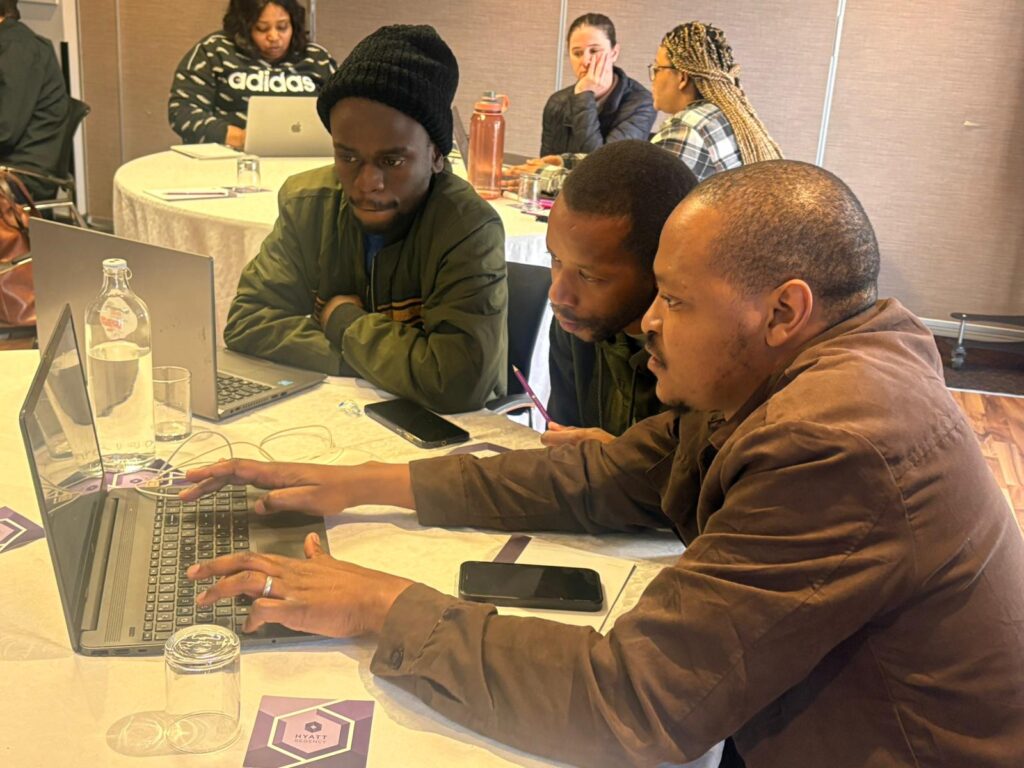
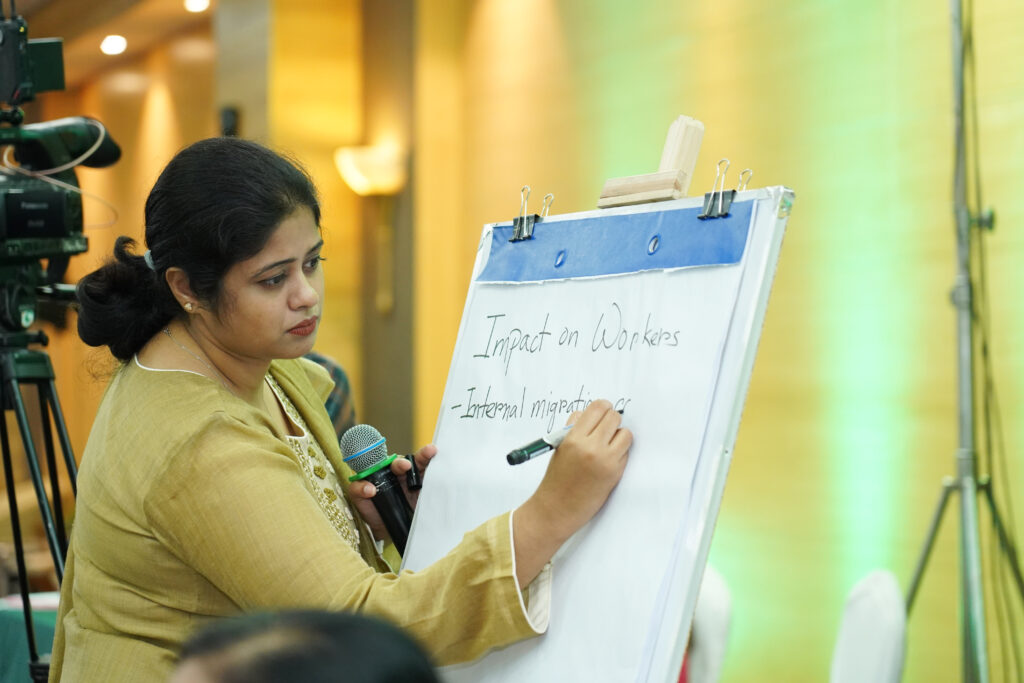
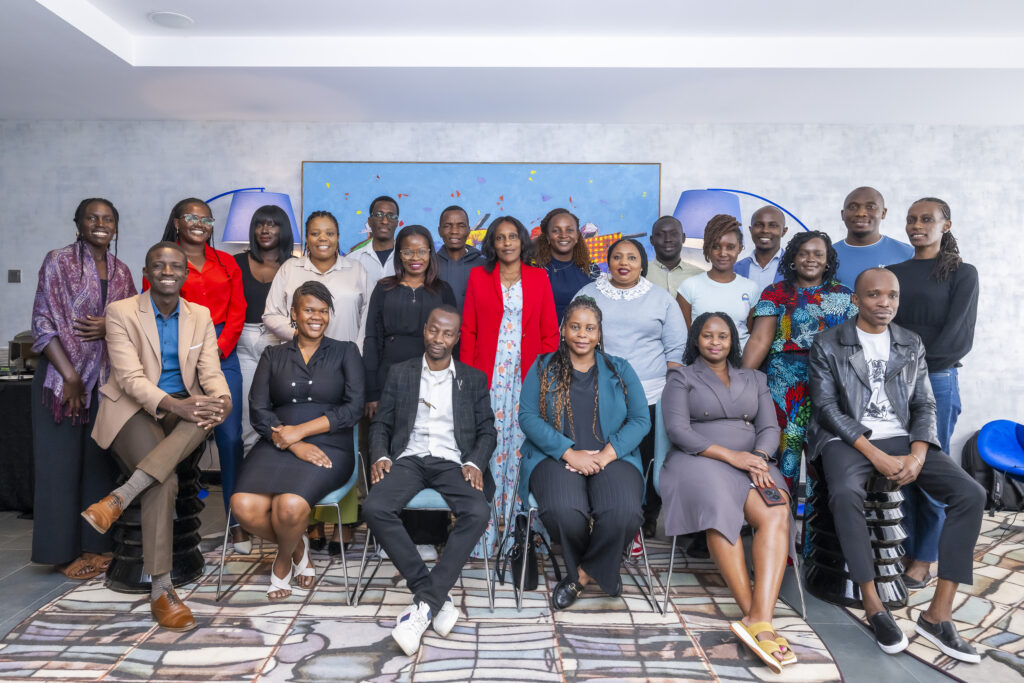
Journalists receiving training on illicit financial flows in Nairobi, Kenya, in April 2025
Weak accountability and limited transparent oversight of how resources are used to address IFFs can leave people vulnerable. That’s why it’s important to engage key sector groups – such as the media, civil society organisations (CSOs), businesses and policymakers – to tackle these crimes.
Yet journalists across the region face growing threats that make it harder to report on financial crimes: deterioration of media freedom, worsening safety conditions, and insufficient financial literacy training. Meanwhile, CSOs see their advocacy efforts constrained due to harsh regulatory environments, less funding, and other administrative challenges.
Therefore, robust cooperation and collective effort between journalists and CSOs are paramount in combatting IFFs – strengthening not only their work, but each other’s too. This is why, alongside the Norwegian Agency for Development Cooperation (NORAD) we have been leading efforts to help build their skills and resources.
Strengthening media and civil society’s approach to exposing tax issues
We recently closed out our 15-year partnership NORAD, where we trained and mentored a total of 893 journalists across sub–Saharan Africa to improve the quality of financial and business reporting. We also expanded our support to 50 CSOs in 2023 in recognition of the multiple groups involved in combatting the issue.
Since 2023, we have provided training, mentoring, and story grants to 131 journalists to enhance their abilities to report on IFFs – with a total of 86 stories on IFFs published.
Through our legal service TrustLaw, we assisted CSOs by providing pro bono legal research support that strengthened their advocacy work, and training on IFF-related themes – such as laws and policies governing mining, domestic resource mobilisation, taxation and governance mechanisms – in addition to conducting Legal Health Checks to support and protect their operations.
The programme also initiated cross-sector collaboration between media, CSOs, the private sector and policy actors on responsible tax and financial practices.
Before being trained on IFFs, I had never written about them. Previously, I had little knowledge around the topic, and when I received the training, I was fresh from journalism school and didn’t know how to detect IFFs or pitch a story. This training was a key opener for me.
NM
Nyamguma MahamuduJournalist at Mlimani FM, Tanzania
Supporting journalists to report on IFFs
At the end of the training, journalists reported having a more nuanced understanding of IFFs which helped to develop their investigative reporting skills. Some felt more confident in pitching stories, whilst others said they could now work with sources they previously couldn’t access or noted they were better able to avoid legal challenges.
A lot has changed [because of the training]. I improved my reporting and writing skills. Thanks to the training, I now weigh all angles and understand how to write about IFFs.
RA
Rosemond AkuorkorJournalist at EIB Network, Ghana
Mentoring played a crucial role in enabling journalists to understand the complexities of IFF reporting, moving away from case-based reporting towards analytical and accountability-focused journalism.
The training gave me the confidence and the analytical eye to see what was happening around me.
MM
Matonyinga MakaroJournalist
Several journalists also reported that they are continuing to report on IFFs, while others noted how their story inspired media outlets to develop more stories on the topic.
I’m proud of being responsible for this kind of exposure and the opportunity to work with fellow journalists in the same sector. The training paved the way for my interest in writing about IFFs and shaped my way of pitching that captures the human perspective – changing from simply writing to writing for impact.
NM
Nyamguma MahamuduFreelance journalist, Tanzania
Reporting that drew attention
Beyond acquiring new skills, journalists in South Africa, Tanzania and Ghana reported the wider impact of their stories.
Fidelis Zvomuya wrote a story about the role of women in rhino-poaching syndicates – opening a new national conversation on the topic. His story caught the attention of leading news outlets, and he was also contacted by Sanlam – a South African financial services group – who submitted his story as part of their annual journalism awards. Fidelis is now contracted by New South Institute – a public policy think tank – as a resident journalist to continue writing about women and poaching. Read more about how this training transformed his approach to investigative reporting.
Matonyinga Makaro penned an article highlighting the concerns around foreign national investors acquiring small-scale mining licenses in Tanzania – despite legal prohibitions against foreign nationals holding such permits. His story circulated widely on social media, and he reported being contacted by TAKUKURU – an anti-corruption agency – who claimed they were investigating the matter.
In Ghana, Kweku Bolten investigated the growing phenomenon of mobile money fraud in the country. He reported that his story contributed to the debate around digital financial crimes, with over 20 republications across national newsrooms, and features in morning talk shows. It was further highlighted that the cybersecurity authority in the country used leads from the article to pursue follow up investigations, resulting in 32 arrests.
Journalists participating in the regional training on illicit financial flows in Nairobi, Kenya, in April 2025
Strengthening civil society’s understanding of IFFs
In facilitating access to free legal research and conducting training on IFF-related issues, CSOs gained a greater understanding of previously inaccessible IFF-related content, becoming more confident in engaging with media and policymakers, and helping to enhance their advocacy skills.
Before the training, IFFs were often seen as a technical or inaccessible topic, but the sessions under the TRF programme made it easier to understand and communicate.
CRK
CSO representative, Kenya
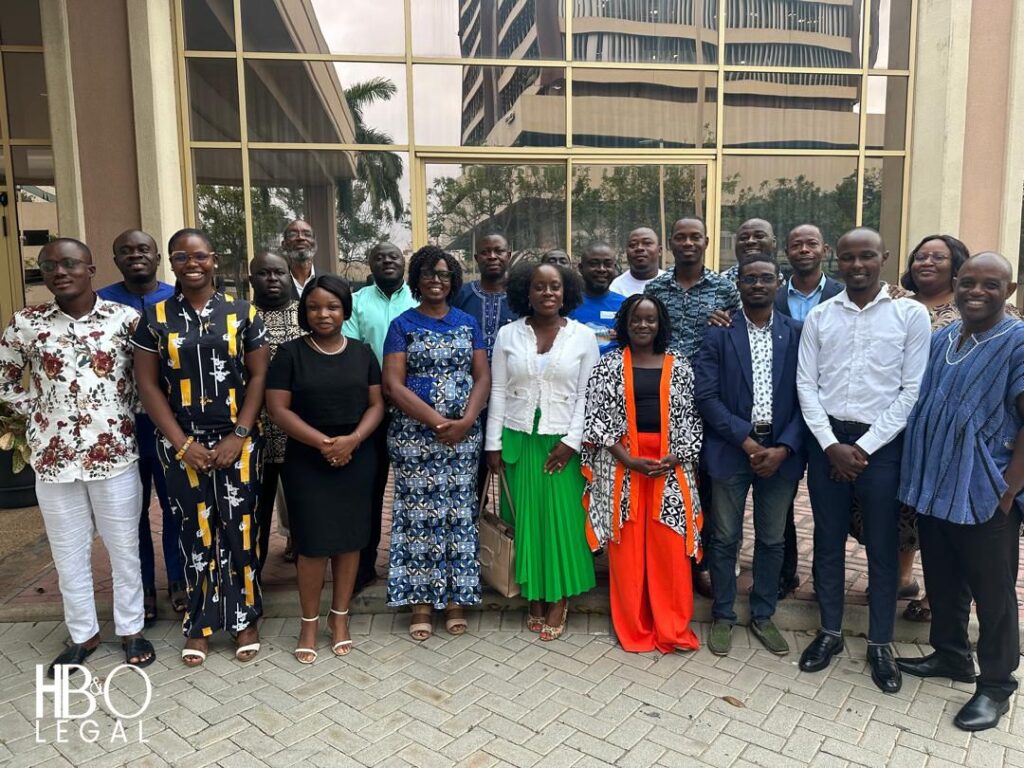
CSO training participants on illicit financial flows in Accra, Ghana in September 2024; HB&O Legal, leading law firm in Ghana
Partnering more effectively
The training also gave previously siloed CSOs the opportunity to collaborate with one another, as well as with participating journalists.
Jamii Africa built a new relationship with the Tanzania Anti-Corruption Network that resulted in a partnership on an anti-corruption project.
A Tanzanian CSO hired a journalist who had participated in the training as an investigative reporter to support their work on governance and accountability.
Two CSO participants stayed in contact with journalists from the training and now draw on them as expert sources – supporting their ongoing IFF advocacy work.
[The sessions were] valuable opportunities to connect with actors working on related issues such as governance, asset recovery, and financial transparency.
CT
CSO, Tanzania
Reporting and advocacy driving transparency and accountability
By working with media to strengthen their skills and knowledge to report on IFFs, and CSOs to scale their advocacy efforts, we contributed to broader systemic efforts to curb IFFs across sub-Saharan Africa.
In doing so, we champion greater transparency as a key pillar in advancing responsible business practices. Our commitment to promoting high-quality, public-interest journalism that holds power to account also contributes to longer-term efforts to combat IFFs.
This training fundamentally shaped how I see myself as a journalist and how I report. One of the biggest shifts [I experienced] is not just looking at the final story [but developing] a deeper sense of responsibility in ensuring accountability.
Our CEO, Antonio Zappulla, looks back on our impact this year: from training over 300 journalists and launching critical data initiatives to expanding our support for civil society organisations facing mounting pressure.
AZ
by Antonio Zappulla, CEO, Thomson Reuters Foundation
Looking back on 2025, it is impossible to ignore the stark reality that the communities we serve have faced.
In the face of these challenges, our mission to build free, fair, and informed societies has never felt more urgent. This year, we’ve responded by leveraging the full power of our media, legal, and data-led expertise.
From collating data insights to delivering on-the-ground support, our impact is a testament to collective action. I am incredibly proud of what our global team has accomplished, and deeply grateful to our partners, donors, and community members who make this work possible.
To celebrate these achievements, I would like to share my highlights from this year that exemplify the tangible difference we are making together.
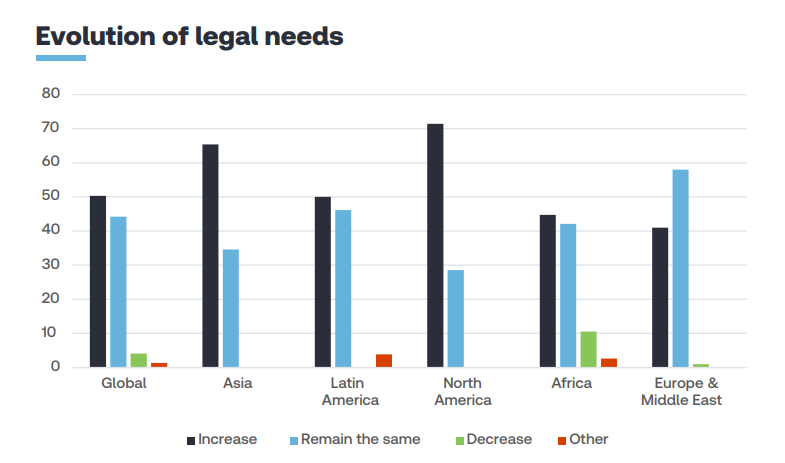
The report is based on a survey our global pro bono service, TrustLaw, conducted with its non-profit members, most of which are small, grassroots organisations with fewer than 50 staff members. The findings make for grim reading: half of these organisations reported an increase in their legal needs in the last year alone.
0%
of CSOs reported rising legal needs over the last year.
A figure that increases to 65% in Asia and 70% in North America.
In response, we are doing what the Foundation does best: drawing on our unique expertise to provide practical support.
For over 40 years, we have developed a tried-and-tested model for building 360° organisational resilience for independent newsrooms around the world. We are now adapting this model for the civil society organisations in our network, offering a package that includes not only legal support, but also communications advice, financial planning, and guidance on digital security and AI adoption.
This is a critical moment, and one that demands a collaborative response. If you share our commitment to strengthening these vital organisations so that they can continue their work at the frontlines of social and environmental change, and would like to explore partnership opportunities, my team and I would be delighted to connect.
2. Hosting the world’s largest dataset on corporate AI adoption
The private sector is in a race to embrace AI, but there is a real danger that governance is being left behind.
Our AI Company Data Initiative – developed with UNESCO – aims to address this critical imbalance by building a global dataset on corporate AI adoption to drive transparency and best practice. In November, the initiative became the world’s largest dataset on corporate AI adoption, compiling publicly available data from 1,000 global companies across 13 sectors.
What the data reveals is a concerning lag between ambition and implementation on criteria essential to the public interest, including carbon footprint and AI’s broader societal impact.
0%
did not consider energy use and carbon footprint when considering which AI system to deploy.
0%
of companies with an AI policy made it accessible to employees or required their acknowledgment.
0%
Among companies with AI strategies, 68% did not assess societal impact of AI beyond end users.
Business leaders and investors face regulatory, reputational, and operational risks from the AI transparency gap – risks that traditional analysis frequently overlooks. Our initiative offers data-based insights to help close this gap and inform better decision-making.
Across the globe, we are witnessing a concerning rise in the use of repressive laws to silence dissent and shrink the space for civil society. Pro bono legal support to help individuals and organisations navigate these evolving legal threats is more important now than ever before.
Ten years ago, our TrustLaw team launched the TrustLaw Index of Pro Bono with an ambitious goal: to map the landscape of pro bono legal support worldwide. We wanted to use data to understand trends, share good practices, and create clear benchmarks for the legal profession.
Now a decade on, I’m proud to see that the number of participating firms has more than doubled, and spans over 120 countries. This year’s findings reveal a significant and encouraging shift: a growing recognition among law firms that pro bono work is not just altruism – it’s an integral part of a modern, successful legal practice. This evolution gives me real hope for the future.
In an already challenging and turbulent context for independent media, AI can be critical to outlets’ survival. But many lack the time, means or expertise to maximise opportunities and minimise risks.
While over 80% of journalists we surveyed are using AI, the majority were self-taught and only 13% reported that their newsrooms had an AI policy in place.
“At the rate the world is moving, in terms of tech advancements, [AI] could harm this profession. More regulations need to be put in place to protect our industry and the ethical conduct embedded in it.”
5. Providing training and support to newsrooms and journalists
With foreign aid cuts putting newsrooms in jeopardy and an increasing number of autocratic leaders attacking a free press, the environment for independent journalism has continued to be incredibly challenging.
Our work to support independent media has never been more crucial.
Throughout 2025, we worked directly with more than 50 newsrooms – focusing on the Global South and exiled outlets – to build their resilience. We provided services to improve long-term sustainability, help strategically navigate technological change, and facilitated free legal assistance to help withstand these attacks.
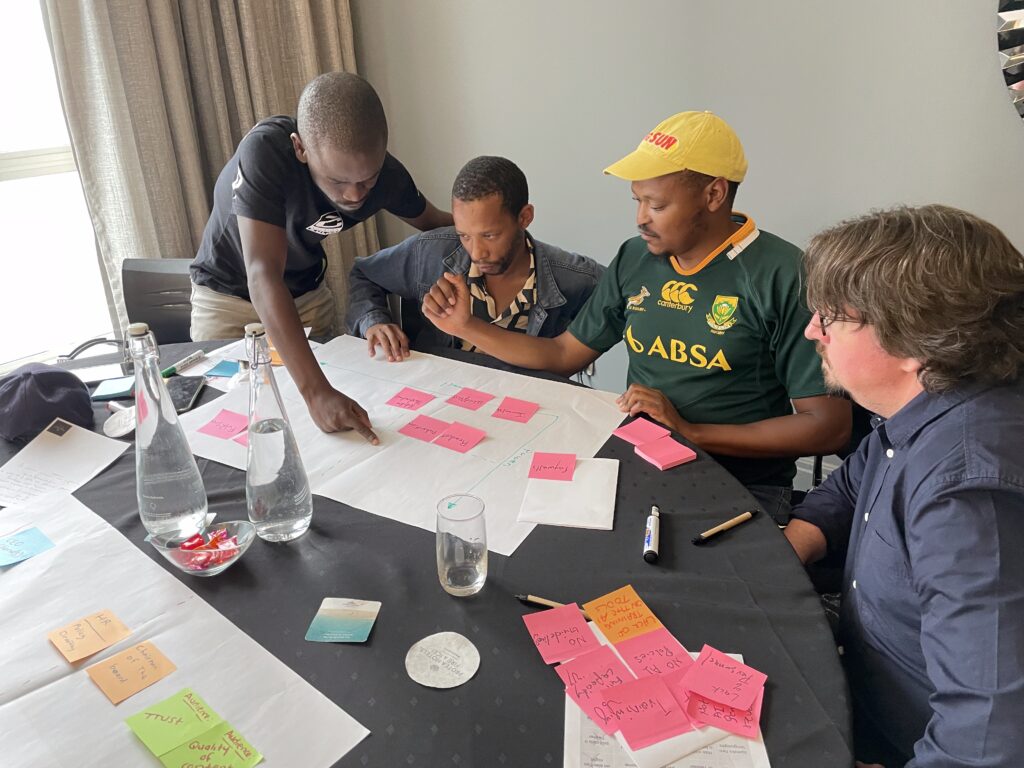
Two journalists collaborating at a table during a regional training in Nairobi, Kenya.
At the same time, we trained over 300 journalists from 60 countries, equipping them with the expertise to provide informed and balanced coverage across diverse topics – from the human rights risks of AI and the impact of the green transition on workers, to uncovering the illegal movement of assets across borders.
In our recently published news story, one journalist describes how our training, mentoring and a small grant fundamentally changed his approach to investigative journalism.
6. Maximising impact in the Media Freedom Coalition
2025 marks the third year that the Foundation has hosted the Secretariat of the Media Freedom Coalition – a vital partnership of countries committed to advocating for media freedom and the safety of journalists worldwide.
Our role is to help maximise the Coalition’s impact, turning diplomatic commitments into concrete actions that make a tangible difference on the ground for journalists at risk.
A clear example of this came in June, when the Secretariat helped facilitate a landmark media freedom mission to the Philippines. Working with embassies and the MFC’s Consultative Network, the visit put a crucial spotlight on the safety of journalists in the country.
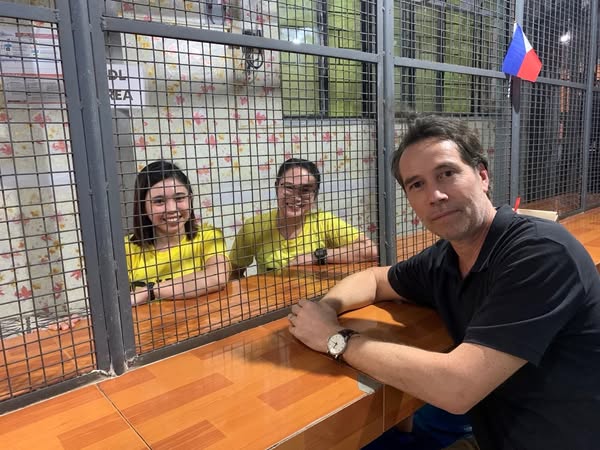
Deputy Ambassador of the Embassy of the Netherlands to the Philippines, Robert van der Hum, visiting detained journalist Frenchie Mae Cumpio (left) and co-accused Marielle Domequil. Credit: Embassy of the Netherlands in the Philippines
This also directly resulted in the Deputy Ambassador of the Netherlands to the Philippines visiting journalist Frenchie Mae Cumpio in prison – currently the only detained journalist in the Philippines – who has been in pre-trial detention for more than 5 years.
In October, our annual Trust Conference brought together over 750 delegates from more than 40 countries across the globe to confront the most urgent challenges facing us today.
We heard moving testimonies from journalists and advocates Alsu Kurmasheva, Nevşin Mengü, and Frank Mugisha, who bravely shared their experiences of being targeted by the state. But with support from legal experts like Can Yeginsu and Karen Kaiser, we also heard about how they are fighting back.
I am immensely proud that the Foundation can convene these critical conversations, and so grateful to our speakers and delegates whose expertise enriches the forum. As ever, my huge thanks go to our supporters – the People’s Postcode Lottery Group, Omidyar Network and Siegel Family Endowment – without whom the event would not be possible.
Looking ahead: What’s next for 2026?
The challenges we have navigated this year will undoubtedly continue into 2026. Yet, the strength and commitment I have seen from our partners, our team, and our global community give me immense hope for what we can achieve together. It is this spirit of collaboration that fuels our ambition for the year ahead, where our work to bolster free, fair, and informed societies will be more critical than ever.
We have an ambitious year lined up, and I am confident in our collective ability to meet the moment.
I look forward to sharing our progress and impact with you throughout the coming year. To stay updated on our work, I invite you to subscribe to our newsletter and continue this journey with us.
Free and independent media is a central tenet of any free, fair and informed society. That’s why we use our combined journalism and legal expertise to support journalists and newsrooms, strengthening high‑quality reporting through our training programmes.
Between 2023-25, the Thomson Reuters Foundation provided training, mentoring and story grants to 131 journalists working across sub–Saharan Africa to enhance their abilities to report on illicit financial flows (IFFs) – with a total of 86 grant-funded stories published on the topic.
We provided small grants to cover access to research materials, Wi-Fi, and travel costs for journalists to investigate topics related to financial crimes.
One of these was Fidelis Zvomuya, who in December 2024, published a story about the hidden role of women in rhino-poaching syndicates after completing dual-track training – a model that included getting trained on IFF plus practical use of those skills to publish a story.
As part of this support, journalists also received mentoring from previous Reuters editors with financial reporting expertise – boosting their professional skills and confidence.
We sat down with Zvomuya, who explained how the training, mentoring, and a small grant fundamentally changed his approach to journalism.
IFFs in South Africa
“Investigative newsrooms and independent media platforms have consistently exposed cases involving wildlife trafficking, mining, procurement fraud, and cross-border syndicates. Public concern is high; citizens understand that IFFs erode state capacity, enable organised crime, and directly undermine public services.
While media reporting is robust, policy action remains uneven. The government has acknowledged the seriousness of IFFs through various parliamentary inquiries, anti-corruption frameworks and cross-border law-enforcement collaborations, but implementation gaps persist.
Civil society organisations continue to push for stronger enforcement, transparency mechanisms, and protection for whistle-blowers. The media’s role in sustaining attention on IFFs remains crucial, especially where political will is inconsistent.
Reporting on women’s role in rhino-poaching
My story focused on the inner workings of rhino-poaching syndicates operating between South Africa and Mozambique, with a special emphasis on the hidden and often overlooked role of women within these criminal networks.
I was inspired by hearing from the gender expert at the workshop about how women were portrayed. I was motivated to look into it as I thought looking at it from the angle of women could be impactful. When I contacted the communications officer at a nonprofit, I was told that women weren’t pulling the trigger but doing other work.
While wildlife crime is frequently reported, the gendered dimension – women as recruiters, smugglers, financiers, and informal intelligence sources – is rarely explored.
Key barriers and support for better journalism
Before TRF’s support, I lacked structured training in investigative methodology and did not have access to a dedicated editor. Newsrooms often lack resources for long-form investigations [and] financial constraints [make] it difficult to conduct field visits or pursue leads across borders.
The TRF programme fundamentally changed this. The dual-track model of skills development plus practical reporting was transformative. TRF’s financial support allowed me to conduct fieldwork and interviews across affected communities, while taking part in training improved my investigative skills.
The depth of editorial mentorship and financial support were [also] far more valuable than I expected. My mentoring editor ensured accuracy, structure, and ethical rigour, enabling high-impact journalism, [and their] guidance strengthened my reporting and improved the narrative.
A fundamental shift in approach
The experience has permanently elevated my standards.
I now apply more rigorous source-verification techniques, use a wider range of sources, prioritise ethics, and structure stories more strategically. I [also] conduct deeper pre‑reporting research, strengthen source protection, analyse data more rigorously, and structure stories with greater precision.
The mentoring editor had the greatest impact [on me], reshaping how I investigate and construct stories. Mentoring strengthened my investigative discipline, narrative structure, and ethical approach.
I have shared investigative techniques, verification frameworks, and safety protocols with colleagues, helping strengthen my newsroom’s practices.
The role of independent media
I believe that independent media is a frontline defence against corruption and IFFs. By exposing wrongdoing and scrutinising power, the media empowers citizens and compels institutional action.
Media must uphold accuracy, transparency, independence, and strong editorial ethics. Trust is essential for civic participation and for resisting misinformation. In contexts where corruption thrives, trusted journalism becomes a stabilising force.”
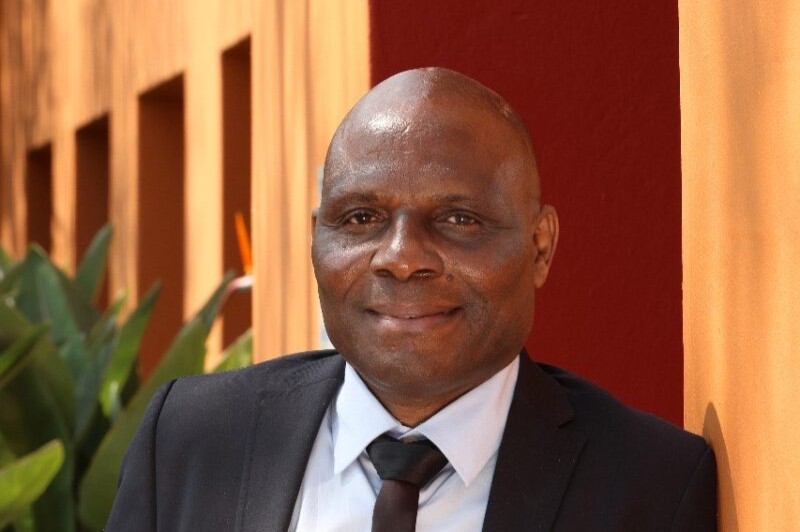
Fidelis Zvomuya is a journalist based in South Africa. His story about the hidden role women play in rhino-poaching syndicates opened a new national conversation on the topic.
His story caught the attention of several news outlets, and he was also contacted by Sanlam – a South African financial services group – who submitted his story as part of their annual journalism awards.
Fidelis is now contracted by New South Institute – a public policy think tank – as a resident journalist to continue writing about women and poaching.