


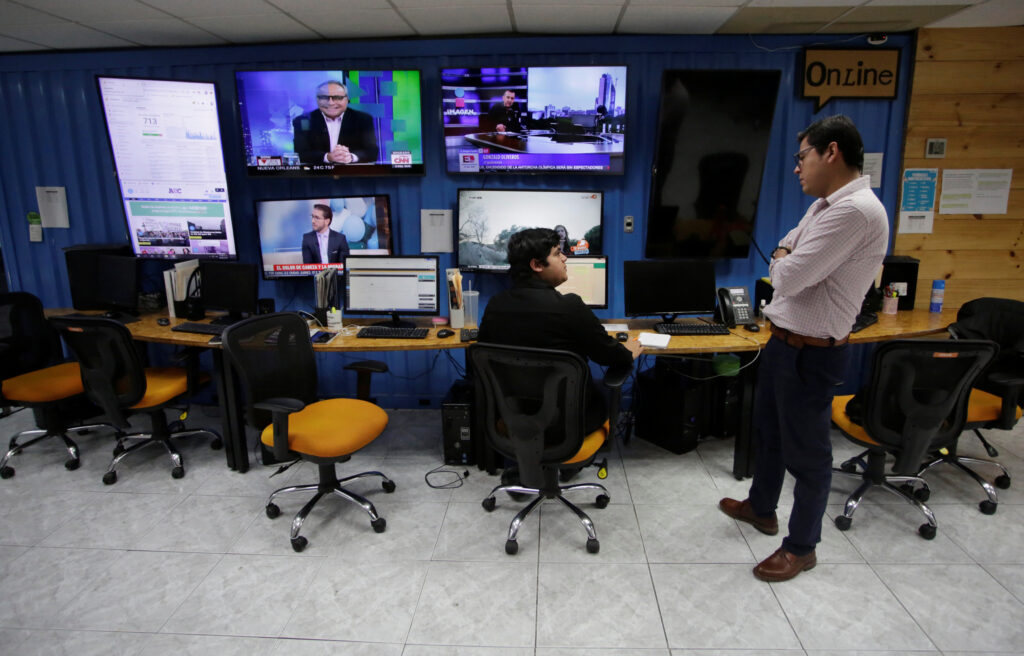
In Mexico, the government is an obstacle to the fight against fake news and the infodemic. The authorities have shown resistance to some conclusions of the WHO. To date, the president has not used a mask, and at the beginning of the pandemic, the authorities discouraged anyone who was not a doctor from using one, raising doubts on a supply problem.
Although the Mexican press has exercised criticism of this and other actions, it has lost the opportunity to go further, investigate, and challenge the response of the authorities on these issues.
Journalists, in general, realise their role. But the agenda is imposed by the media which they work for. Media outlets are more interested in their reporters covering the government’s daily conferences than verifying the words of the authorities.
In most of the cases, it is not an officialism issue, but a clickbait one, which deteriorates the quality of the work of the press to combat the infodemic. Thus, the best efforts of verification or investigation arrive by international outlets or independent initiatives. Far from government speeches, fake news also propagates, and gains strength in networks such as WhatsApp, where the person who shares the information is not a stranger, but your close circle: family and friends.
Although the media have denied some fake news, some with a dedicated team for it such as AFP, the Mexican press, in general, has not been so effective in reaching the same populations that create this false information. This is because the press does not use the same channels, in this case WhatsApp, as the Mexican population. An analysis of misinformation in Mexico found that 16% of fake news came through WhatsApp, in contrast to 13% on Facebook and 12% on Twitter.
– Juan Luis García Hernández, Digital News Reporter Mexico, Thomson Reuters Foundation Alumnus


More Impact Stories
View All Impact Stories
Securing protections for marine protected areas in Europe
Pro bono legal research by Hogan Lovells…
Read More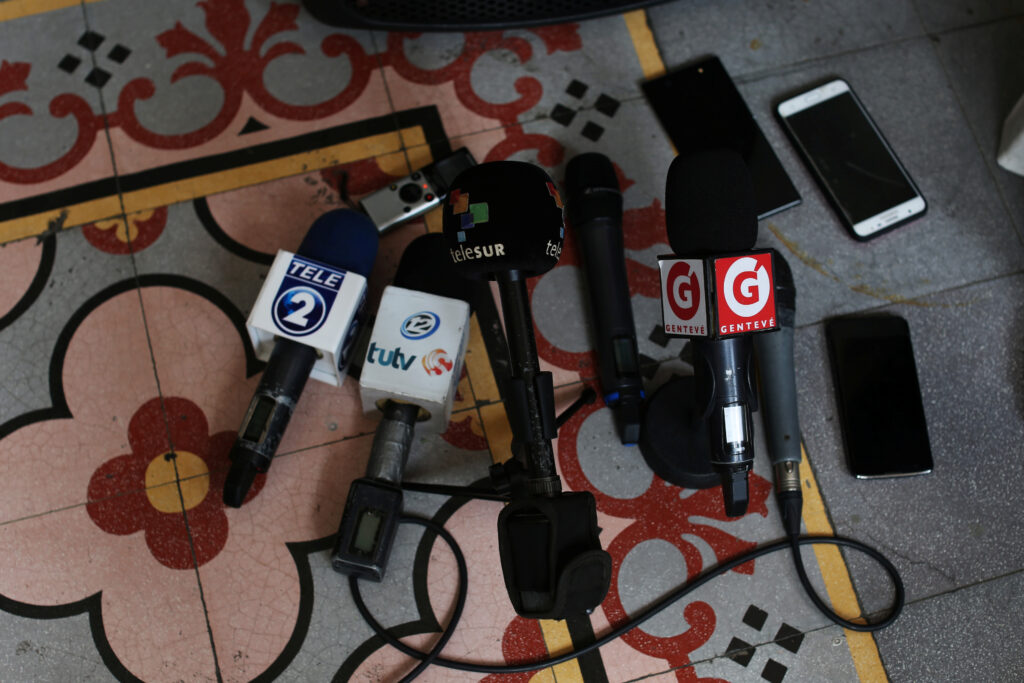
Protecting independent media under legal threat in El Salvador
SembraMedia used pro bono legal advice…
Read More
Improving access to philanthropic giving across Asia
Pro bono support provided by Dechert LLP helped AVPN…
Read More
Pro bono as a force for good: An interview with Cynthia Mudaye
Cynthia Mudaye from Mudaye & Co….
Read More
How in-house counsel is shaping the future of pro bono
Representatives from MSD explore how to strengthen the…
Read MoreBuilding the pro bono infrastructure needed across East Africa
Cathy Mputhia, CEO of C. Mputhia…
Read More5 tips to building a robust pro bono programme
Katie Marquart, Partner and Pro Bono Chair at Gibson Dunn, shares…
Read More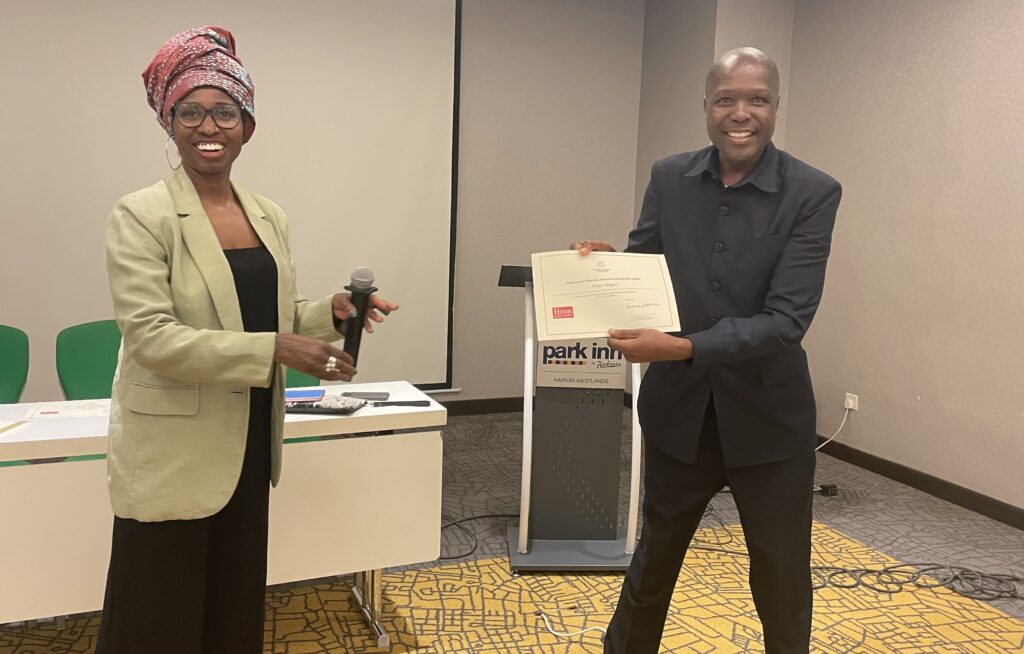
Reporting with empathy: one journalist’s journey to allyship
Discover how training from the…
Read More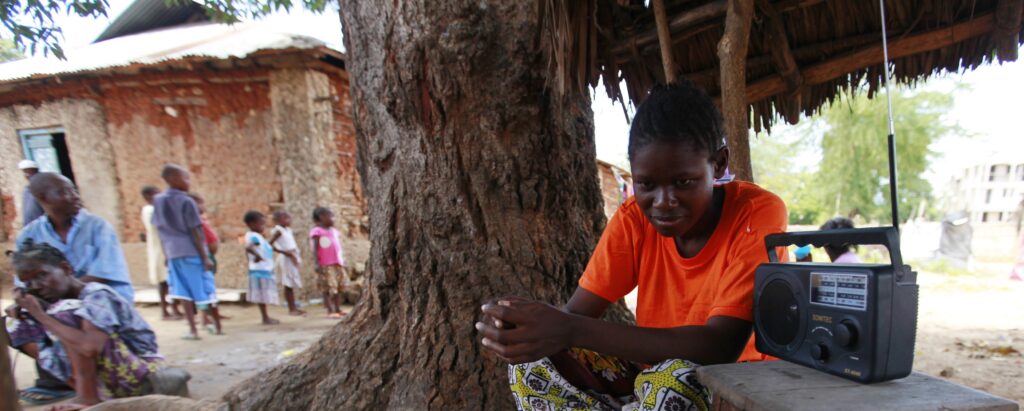
Shielding community journalism: How pro bono legal expertise broke the cycle of self-censorship for one Kenyan radio station
How pro bono legal support helped Kenyan radio station Radio Domus update editorial policies, ending…
Read More
Combatting international corruption: The pro bono research behind the landmark Foreign Extortion Prevention Act
Discover how pro bono legal expertise has created truly impactful tools for fighting corruption.
Read More

