


TrustLaw connects high-impact NGOs and social enterprises working to create social and environmental change with the best law firms and corporate legal teams to provide them with free legal assistance.
This project was nominated for the TrustLaw Impact Award, which recognises projects that demonstrate significant, wide-ranging impact on the NGO or social enterprise and their community and beyond.
According to the Convention on the Rights of Persons with Disabilities, individuals with disabilities have the right to live independently, to choose their place of residence and home assistance and enjoy inclusion in the community.
Senderos del Sembrador, an Argentinean NGO that works to promote the rights of people with intellectual disabilities, wanted to create a shared housing experience for individuals with disabilities. Due to a lack of choice, people with disabilities in Argentina tend to live with relatives or specialised institutions.
“Our objective was to create a shared home with people who have chosen to live there with their friends in an open and flexible scheme,” said Karina Guerschberg CEO of Senderos del Sembrador. As this housing project is the first of its kind in Argentina, Senderos del Sembrador contacted TrustLaw, the Thomson Reuters Foundation’s global pro bono service, for family and disability law advice and to understand the legal restrictions surrounding their project.
TrustLaw connected Senderos del Sembrador to Bullo Tassi Estebenet Lipera Torassa Abogados, a domestic Argentinian law firm. The law firm worked with the NGO to draft agreements for participants in this housing project that were easy to understand for people of all abilities.
In 2017, thanks to the legal assistance provided by Bullo Tassi Estebenet Lipera Torassa Abogados, Senderos del Sembrador were able to open their first house in Buenos Aires. Due to high demand, they are in the process of opening two more new homes.
“We have used our legal skills to collaborate on a project on homes [for the disabled] that is new for our country,” said Gustavo Torassa, Bullo Tassi Estebenet Lipera Torassa Abogados.
“This project shows that other kinds of homes are possible and that the persons with disabilities can exercise their rights when there is appropriate support; that they can make their own decisions and be the protagonists of their lives,” said Karina Guerschberg


More Impact Stories
View All Impact Stories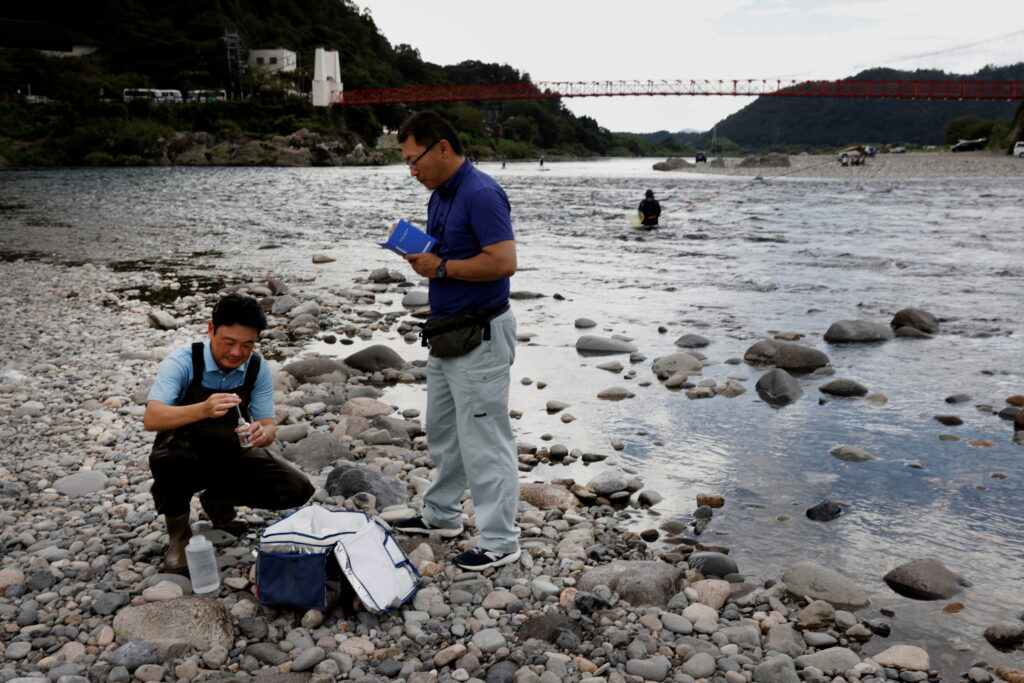
Securing protections for marine protected areas in Europe
Pro bono legal research by Hogan Lovells…
Read More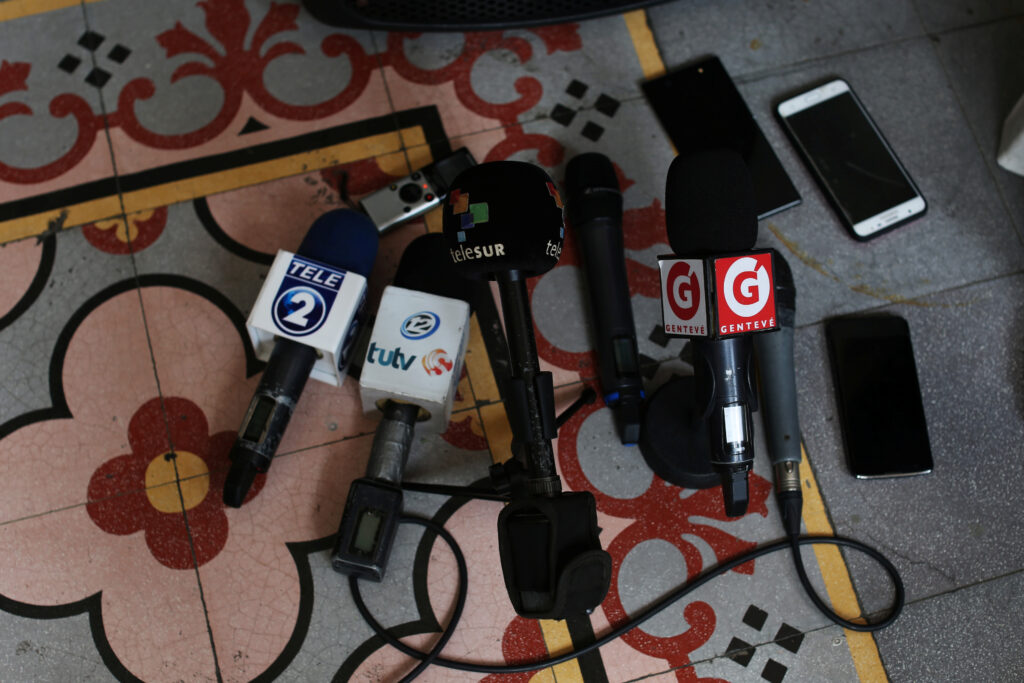
Protecting independent media under legal threat in El Salvador
SembraMedia used pro bono legal advice…
Read More
Improving access to philanthropic giving across Asia
Pro bono support provided by Dechert LLP helped AVPN…
Read More
Pro bono as a force for good: An interview with Cynthia Mudaye
Cynthia Mudaye from Mudaye & Co….
Read More
How in-house counsel is shaping the future of pro bono
Representatives from MSD explore how to strengthen the…
Read MoreBuilding the pro bono infrastructure needed across East Africa
Cathy Mputhia, CEO of C. Mputhia…
Read More5 tips to building a robust pro bono programme
Katie Marquart, Partner and Pro Bono Chair at Gibson Dunn, shares…
Read More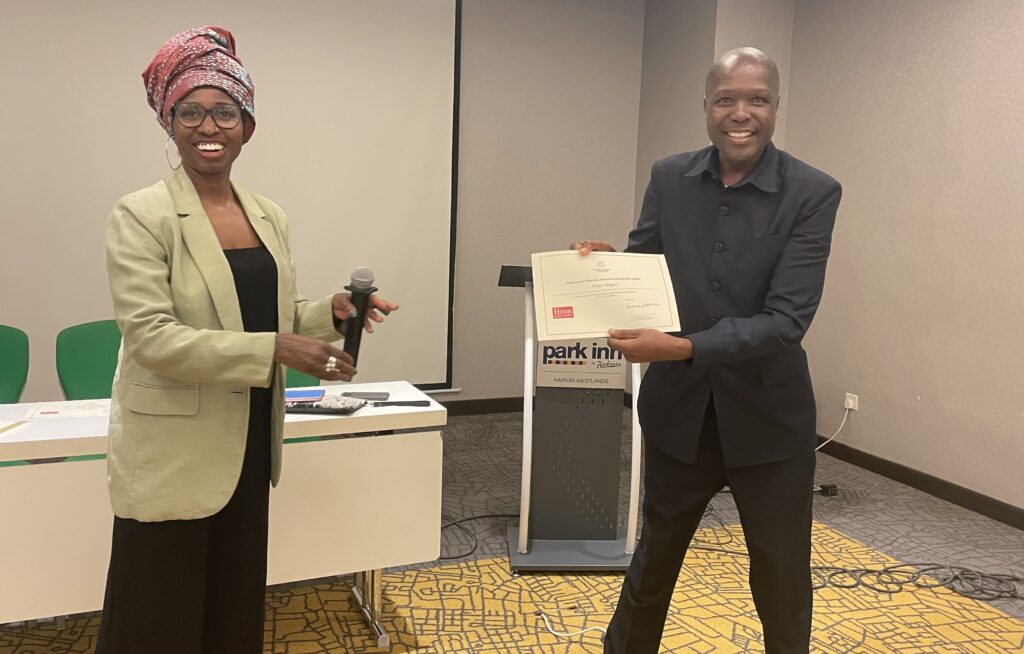
Reporting with empathy: one journalist’s journey to allyship
Discover how training from the…
Read More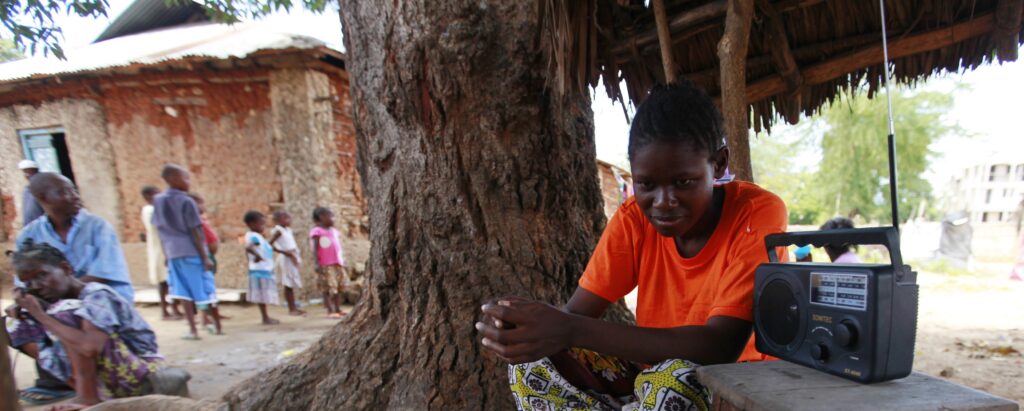
Shielding community journalism: How pro bono legal expertise broke the cycle of self-censorship for one Kenyan radio station
How pro bono legal support helped Kenyan radio station Radio Domus update editorial policies, ending…
Read More
Combatting international corruption: The pro bono research behind the landmark Foreign Extortion Prevention Act
Discover how pro bono legal expertise has created truly impactful tools for fighting corruption.
Read More

