



While Serbia does not have a legacy of pro bono culture in the traditional sense, Serbs do have a tradition of helping friends, family, and neighbours in need. Combined with a few pioneer law firms and the assistance of NGOs and faculties of law, the prospect for a legal community that accepts pro bono as part of a lawyer’s role could develop. The government is also taking new steps to shoulder some responsibility, sponsoring the adoption of Law on Free Legal Aid (“LFLA”), which came into force in October 2019. Adoption and funding of this legislation serves as a major boon to support citizens unable to otherwise afford legal assistance (please note that providing legal free aid under LFLA is not considered pro bono work, as attorneys are compensated for their work by municipalities and the Republic of Serbia).
The Legal Profession Act of 2011 (“LPA”) governs the provision of legal services in Serbia. The Serbian Bar Association, as an umbrella organisation, regulates all Serbian attorneys in the provision of legal services. Every attorney in Serbia must be a member of this association, which is automatically achieved by obtaining membership in one of nine regional bar associations in Serbia. In addition, a lawyer in Serbia can practice law as an in-house lawyer, without being an attorney and member of the Serbian Bar Association, but in such case they can provide services only to their employer, and they may not provide services to third parties.
By admission to the Serbian Bar Association, an attorney is authorised to provide all types of legal aid in Serbia, and there are no additional specialist licenses required to provide pro bono services. Also, while there are no specific rules regulating provision of pro bono services, it should be noted that certain actions construed to be pro bono services are deemed to be contrary to rules of the Code of Professional Ethics of Attorneys (“Code”). Namely, attracting clients by offering free legal representation or representation for fees that are lower than 50% of the fees proscribed by the Tariff on Fees and Expenses Payable for the Work of Attorneys (“Tariff”) is deemed unfair competition, and as such is prohibited by the code. In addition, it should be noted that aspiring lawyers in Serbia are not required to complete a minimum number of hours of pro bono legal services in order to become an attorney, nor are registered attorneys in Serbia required to work a minimum number of pro bono hours in order to remain registered with the Serbian Bar Association.
Areas of law relating to refugees, displaced persons and human trafficking are the main issues which require or present opportunities for the provision of pro bono legal services. In addition, the major unmet legal needs in Serbia continue to be found in protection of rights of various sensitive groups and/or minorities e.g. poverty-stricken parts of the population, victims of family violence, patient organisations etc. The key providers are a mix of law firms and NGOs, which are usually subcontracting attorneys for this kind of work, and are focused on refugees and other displaced persons as well as victims of human trafficking. In addition, certain law faculties of various universities also provide clinics which offer pro bono services, including the universities of Nis, Belgrade, Novi Sad and Kragujevac, and the University Union also offers pro bono services at their legal clinics. Unfortunately, there is a relatively low number of attorneys per head of population in Serbia compared to western jurisdictions, at approximately 8,500 lawyers in Serbia, which is roughly one lawyer per 800 citizens. The majority of lawyers in Serbia are sole practitioners and therefore lack the time or resources to provide as much pro bono assistance, which is the main obstacle for further development of pro bono practice.


More Impact Stories
View All Impact Stories
Securing protections for marine protected areas in Europe
Pro bono legal research by Hogan Lovells…
Read More
Protecting independent media under legal threat in El Salvador
SembraMedia used pro bono legal advice…
Read More
Improving access to philanthropic giving across Asia
Pro bono support provided by Dechert LLP helped AVPN…
Read More
Pro bono as a force for good: An interview with Cynthia Mudaye
Cynthia Mudaye from Mudaye & Co….
Read More
How in-house counsel is shaping the future of pro bono
Representatives from MSD explore how to strengthen the…
Read MoreBuilding the pro bono infrastructure needed across East Africa
Cathy Mputhia, CEO of C. Mputhia…
Read More5 tips to building a robust pro bono programme
Katie Marquart, Partner and Pro Bono Chair at Gibson Dunn, shares…
Read More
Reporting with empathy: one journalist’s journey to allyship
Discover how training from the…
Read More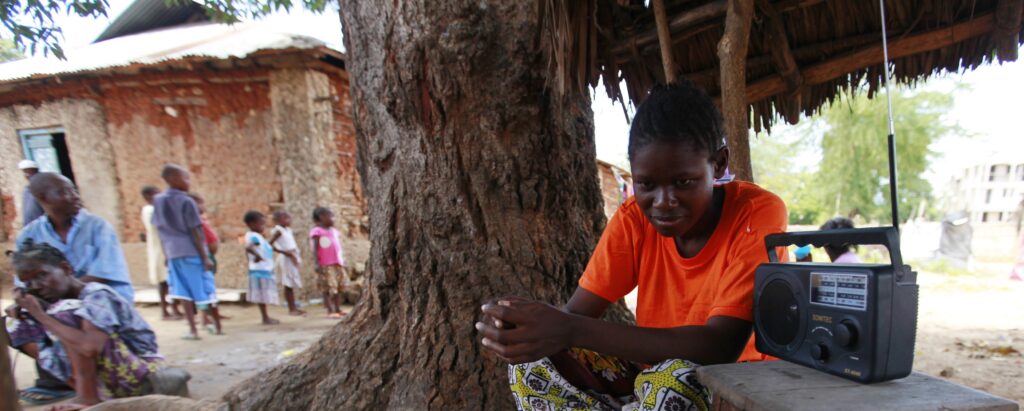
Shielding community journalism: How pro bono legal expertise broke the cycle of self-censorship for one Kenyan radio station
How pro bono legal support helped Kenyan radio station Radio Domus update editorial policies, ending…
Read More
Combatting international corruption: The pro bono research behind the landmark Foreign Extortion Prevention Act
Discover how pro bono legal expertise has created truly impactful tools for fighting corruption.
Read More

