
ELD

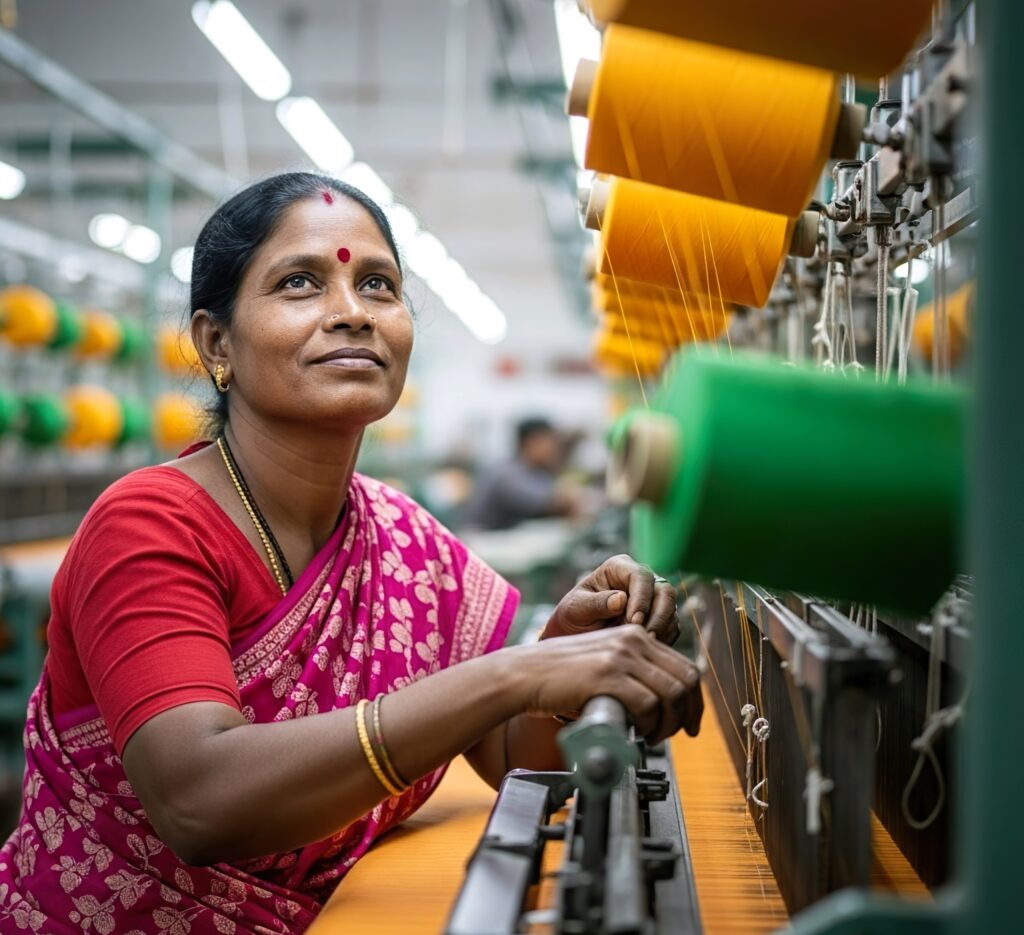
This report gathers the main findings of a piece of research the objective of which was to analyse the existing regulatory framework on violence and harassment against women in the world of work in 11 Latin American countries: Argentina, Brazil, Bolivia, Chile, Colombia, Ecuador, Mexico, Paraguay, Peru, Uruguay and Venezuela.

Details

Countries

ArgentinaBoliviaBrazilChileColombiaEcuadorMexicoParaguayPeruUruguayVenezuela

Languages

English

Download Report

Download pdf: Download Report

SF

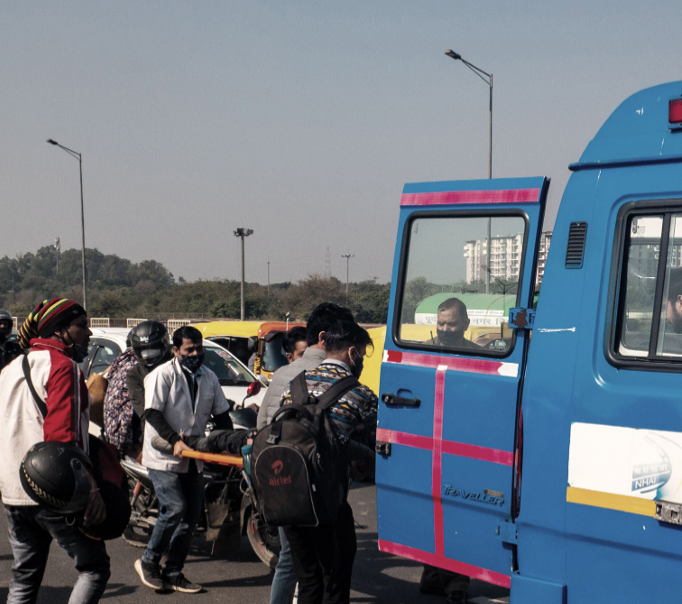
This report compiles and analyzes laws from different countries regarding emergency medical care, including those that guarantee it as a fundamental right. The jurisdictions studied include Australia, Brazil, England and Wales, Germany, India, Japan, Malaysia, Pakistan, South Africa, and the United States of America.

Details

Countries

AustraliaBrazilGermanyIndiaJapanMalaysiaPakistanSouth AfricaUnited KingdomUnited States

Languages

Arabic

Access the report

TRF

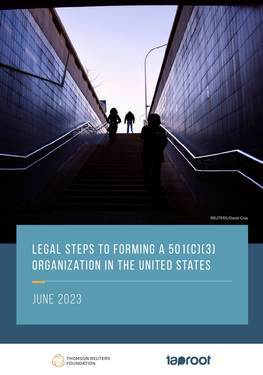
This guide is intended to provide user-friendly, practical guidance on how to form a 501(c)(3) non-profit organization in the United States. This was co-produced by Taproot and the Thomson Reuters Foundation, with pro bono legal research provided by Kirkland & Ellis LLP.

Details

Countries

United States

Languages

English

Download Guide

Download pdf: Download Guide

TRF

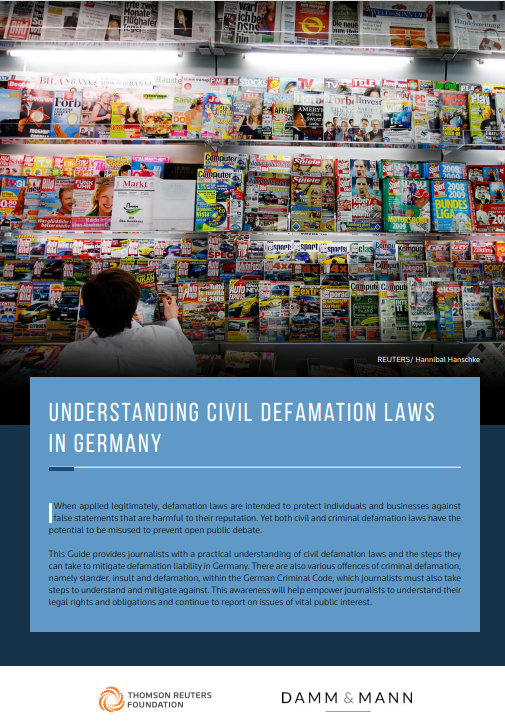
When applied legitimately, defamation laws are intended to protect individuals and businesses against false statements that are harmful to their reputation. Yet civil defamation laws have the potential to be misused to prevent open public debate.

This Guide provides journalists with a practical understanding of defamation laws and the steps they can take to mitigate civil defamation liability in Germany. This awareness will empower journalists to understand their legal rights and obligations and continue to report on issues of vital public interest. This was produced by the Thomson Reuters Foundation, with pro bono legal research provided by Damm & Mann.

Details

Countries

Germany

Languages

English

Download Guide

Download pdf: Download Guide

TRF

German Basic Law guarantees fundamental rights and freedom to persons and organisations active in the field of press and broadcasting. As a result, independence of the press and broadcasting is extensively protected in Germany, which extends to protecting the secrecy of sources of information. There are, however, instances where the protection of journalistic sources can be overridden by public interest.

This Guide provides an overview of the protection of journalistic sources or journalistic material under German law, as well as case law examples from the European Court of Human Rights. It is intended to help journalists and media organisations understand their legal rights and obligations, and continue to report on issues of vital public interest. This Guide was produced by the Thomson Reuters Foundation, with pro bono legal research provided by DLA Piper.  

Details

Countries

Germany

Languages

English

Download Guide

Download pdf: Download Guide

LNF

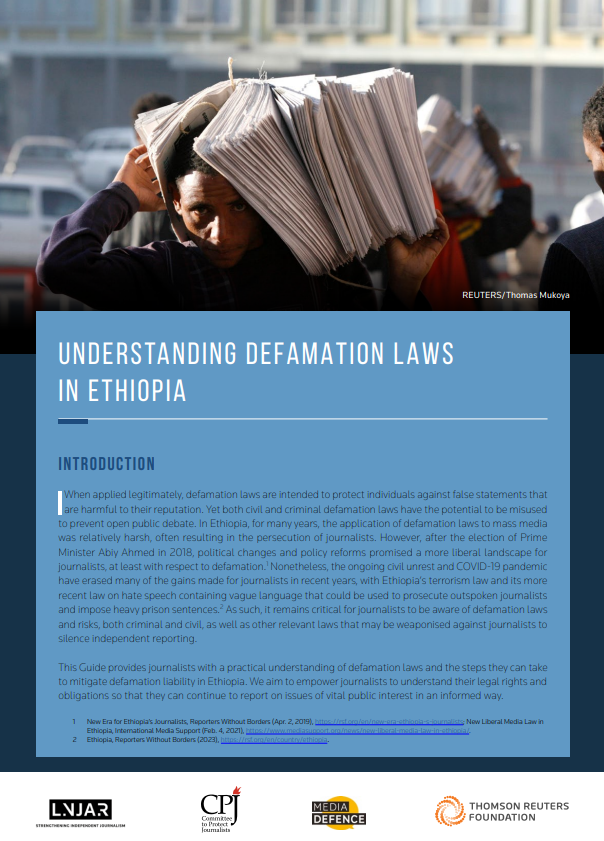
When applied legitimately, defamation laws are intended to protect individuals and businesses against false statements that are harmful to their reputation. Yet both civil and criminal defamation laws have the potential to be misused to prevent open public debate.

This Guide provides journalists with a practical understanding of defamation laws and the steps they can take to mitigate defamation liability in Ethiopia. This awareness will empower journalists to understand their legal rights and obligations and continue to report on issues of vital public interest. This was produced by the Steering Committee of the Legal Network for Journalists at Risk, namely the Committee to Protect Journalists, Media Defence and the Thomson Reuters Foundation


Details

Countries

Ethiopia

Languages

English

Download Guide

Download pdf: Download Guide

LNF

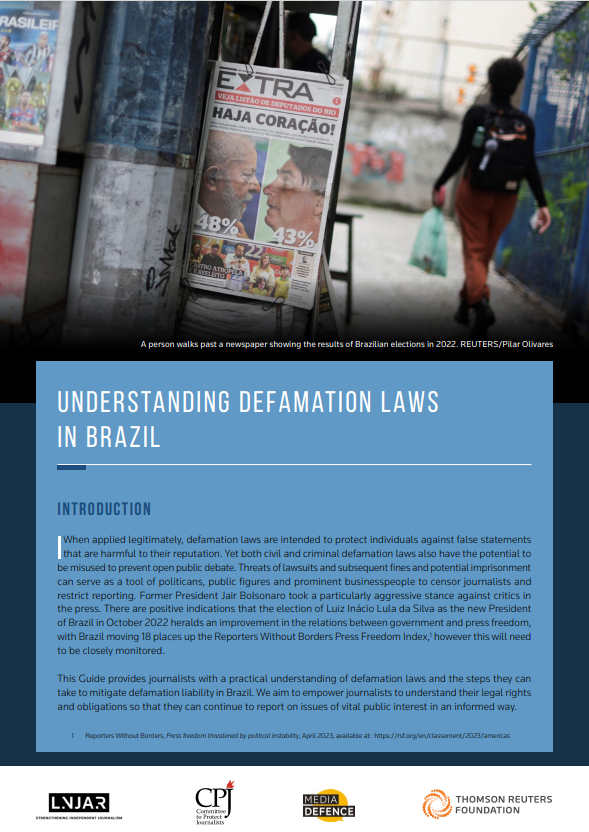
When applied legitimately, defamation laws are intended to protect individuals and businesses against false statements that are harmful to their reputation. Yet both civil and criminal defamation laws have the potential to be misused to prevent open public debate.

This Guide provides journalists with a practical understanding of defamation laws and the steps they can take to mitigate defamation liability in Brazil. This awareness will empower journalists to understand their legal rights and obligations and continue to report on issues of vital public interest. This was produced by the Steering Committee of the Legal Network for Journalists at Risk, namely the Committee to Protect Journalists, Media Freedom and Thomson Reuters Foundation


Details

Countries

Brazil

Languages

English

Download Guide

Download pdf: Download Guide

LNF

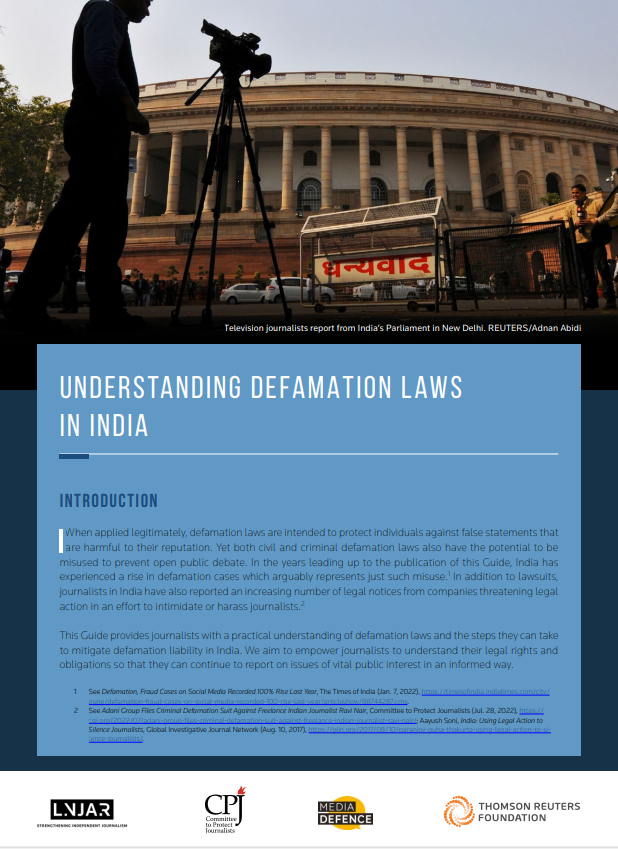
When applied legitimately, defamation laws are intended to protect individuals and businesses against false statements that are harmful to their reputation. Yet both civil and criminal defamation laws have the potential to be misused to prevent open public debate.

This Guide provides journalists with a practical understanding of defamation laws and the steps they can take to mitigate defamation liability in India. This awareness will empower journalists to understand their legal rights and obligations and continue to report on issues of vital public interest. This was produced by the Steering Committee of the Legal Network for Journalists at Risk, namely Committee to Protect Journalists, Media Defence and the Thomson Reuters Foundation

Details

Countries

India

Languages

English

Download Guide

Download pdf: Download Guide

Tags

LNF

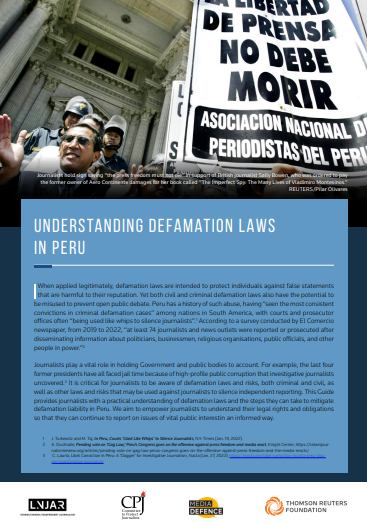
When applied legitimately, defamation laws are intended to protect individuals and businesses against false statements that are harmful to their reputation. Yet both civil and criminal defamation laws have the potential to be misused to prevent open public debate.

This Guide provides journalists with a practical understanding of defamation laws and the steps they can take to mitigate defamation liability in Peru. This awareness will empower journalists to understand their legal rights and obligations and continue to report on issues of vital public interest. This was produced by the Steering Committee of the Legal Network for Journalists at Risk, namely the Committee to Protect Journalists, Media Freedom and the Thomson Reuters Foundation


Details

Countries

Peru

Languages

English

Download Guide

Download pdf: Download Guide

Tags

TRF

When applied legitimately, defamation laws are intended to protect individuals and businesses against false statements that are harmful to their reputation. Yet both civil and criminal defamation laws have the potential to be misused to prevent open public debate.

This guide provides journalists with a practical understanding of defamation laws and the steps they can take to mitigate defamation liability in Kenya. This awareness will empower journalists to understand their legal rights and obligations and continue to report on issues of vital public interest.

The guide covers the scope of defamation law, the criminal and civil process of cases in courts, the defences against defamation, sanctions against defamation, and practical steps to mitigate defamation liability.

This was produced by the Thomson Reuters Foundation, with pro bono legal research provided by Bowmans Kenya.

Details

Countries

Kenya

Languages

English

Download Guide

Download pdf: Download Guide