TRF

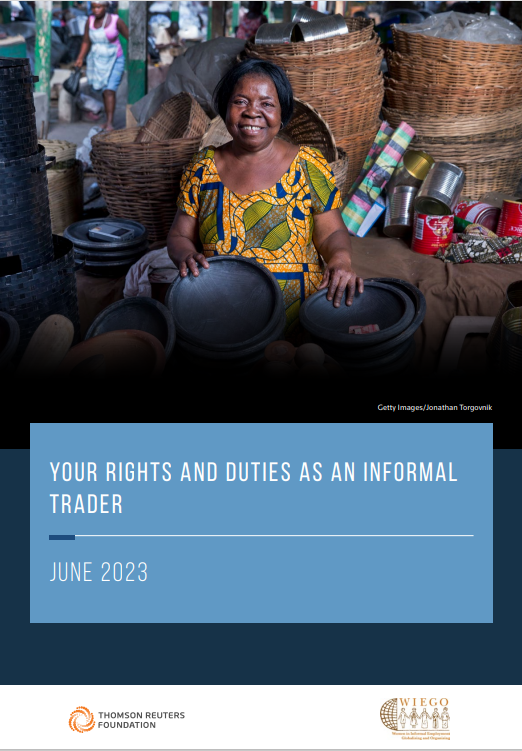
This is a guide to the legal framework, set up by the assembly bye-laws, that shapes:

• Where you can work.
• Under what conditions you can work.
• What your duties under the law are.
• The powers the authorities have if the bye-laws are broken.
• How you can use the law to protect your rights against abuse by public authorities.

Section 1 of this manual gives an overview of what the law says about vending in public spaces.

Section 2 looks at some of the main bye-laws that impact on you as informal traders.

Section 3 focuses on the issue of evictions and confiscation of your goods. It will outline the powers the authorities have to evict and confiscate.

Section 4 looks at possible ways you can use the law if you are facing eviction, or have been evicted.

Details

Countries

Ghana

Download Guide

Download pdf: Download Guide

Tags

IAP

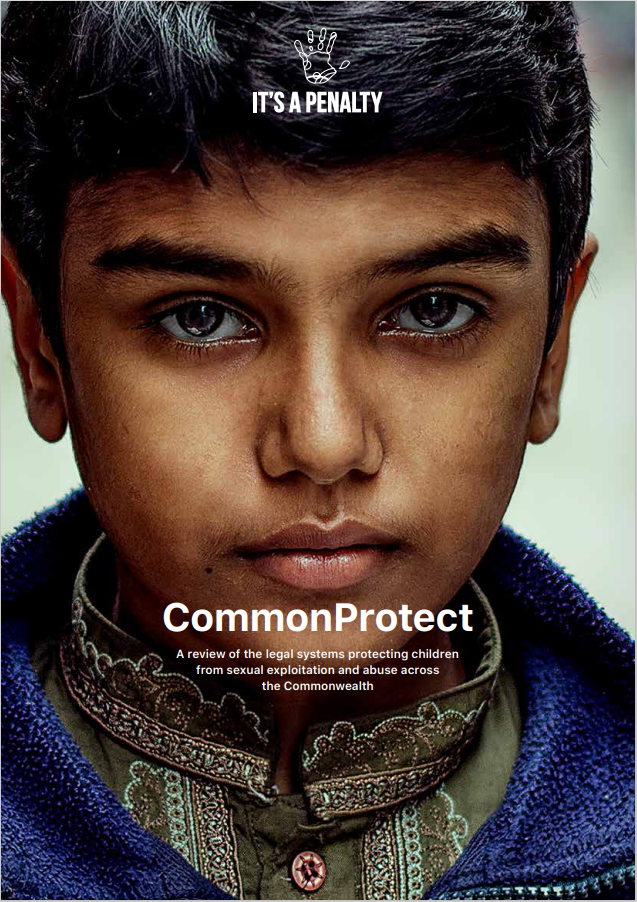
The sexual exploitation and abuse of children is a threat from which no child, community or country is immune. Despite significant work being done by governments and the global child protection community to tackle child sexual exploitation and abuse (CSEA), millions of children across the Commonwealth of Nations (the Commonwealth) remain at significant risk.


This report, facilitated by TrustLaw, analyses the protection of children from CSEA across 21 Commonwealth Member States from four regions: Africa, Asia, the Americas and the Pacific. To determine whether, and the extent to which, children are currently adequately protected against CSEA throughout the Commonwealth, this report analyses the criminalisation of CSEA, gaps in the prosecution of CSEA offences, gaps in the protection of children, and efforts made towards preventing CSEA.


TrustLaw connected It’s a penalty with legal experts in over 10 countries including lawyers from CMS and Clayton Utz who acted as the international coordinators of the report. It’s a Penalty also worked with law enforcement agencies and child rights’ advocates from each country to provide concrete and actionable recommendations that can be implemented to improve the protection of children from CSEA.

Details

Countries

Global

Languages

English

Download Report

Download pdf: Download Report

TRF

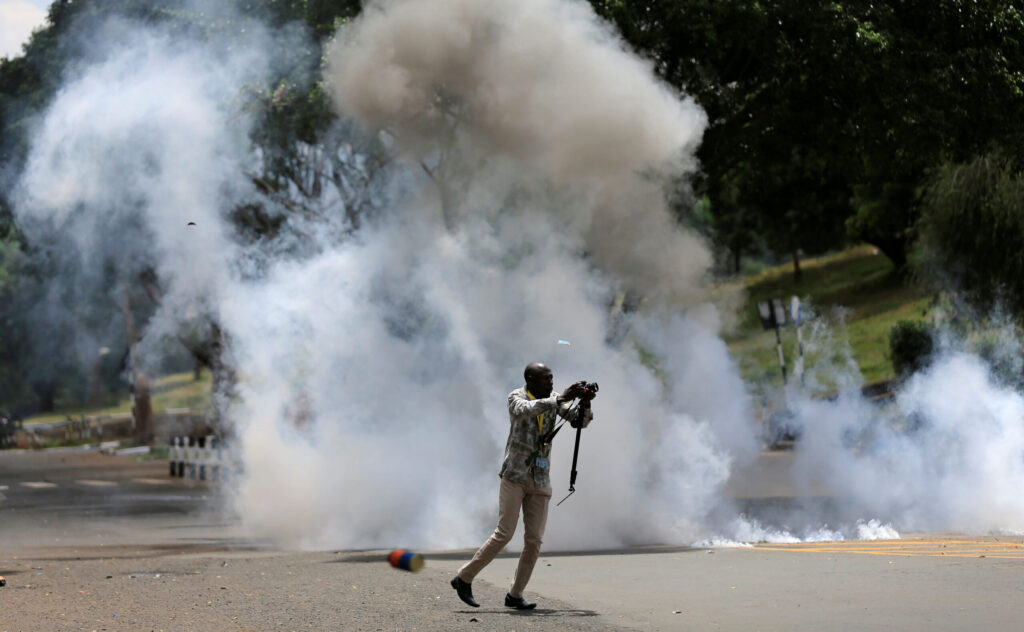
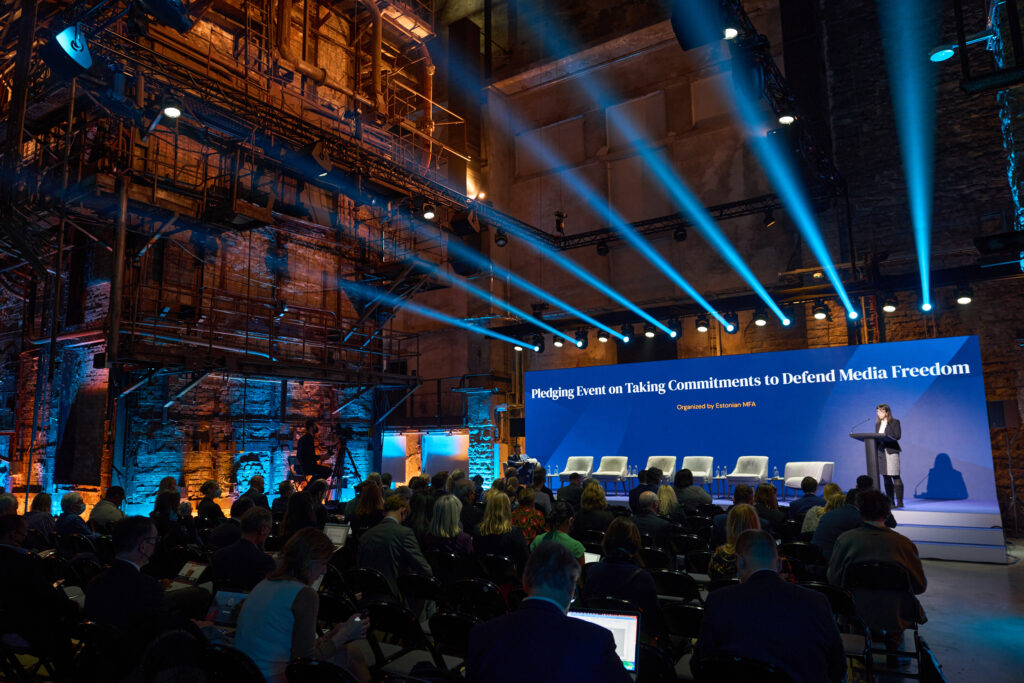
Media freedom is increasingly under threat as governments exploit laws and policies to suppress dissenting voices and control information. By enacting restrictive legislation, authorities stifle investigative journalism, censor critical reporting, and curtail the right to free expression on Illicit Financial Flows. This is done using vague defamation or national security regulations, they intimidate journalists and media outlets, leading to self-censorship and a chilling effect on reporting on the subject.

This report was developed by the Thomson Reuters Foundation under its Wealth of Nations programme, supported by NORAD (the Norwegian Agency for Development Cooperation). It sought to assess and outline the basic legal framework regulating online, print and broadcast media in Kenya, Tanzania, Uganda, and Zambia. It presents applicable laws, case law and existing ‘soft’ law and the extent to which they affect reporting on illicit financial flows or tax abuse in the target jurisdictions with the aim of helping journalists and civil society understand the legal and institutional framework they operate in.

The legal research and analysis for this report was facilitated by TrustLaw and carried out by lawyers from Bowmans Tanzania Ltd, Bowmans Coulson Harney LLP (Kenya), AF Mpanga Advocates, and DLA Piper Africa – Chibesakunda & Co.

Details

Countries

KenyaTanzaniaUgandaZambia

Languages

English

Download Report

Download pdf: Download Report

TRF

This briefing was produced by Disability:IN, a global non-profit driving disability in business, and supported by pro bono legal support facilitated by TrustLaw. It analyses the presence of corporate disclosure requirements concerning disability in Australia, Brazil, Canada, China, the European Union, France, Germany, India, Japan and the United Kingdom.

Download Report

Download pdf: Download Report

Tags

TRF

How the law is being weaponised to silence journalism and freedom of expression worldwide.


Overview

Journalists are facing an unprecedented wave of legal attacks designed to silence critical reporting and stifle press freedom.

The consequences of these attacks are severe: ranging from relentless court proceedings to imprisonment and financial ruin. Left unchecked, these practices threaten the ​future of the profession and democracies across the globe.

In response, we partnered with the Tow Center for Digital Journalism at Columbia University, combining their global research with insights from 37 ​media freedom experts and nearly 500 alumni – representing 106 countries – from our journalism training programmes.

Our report maps how legal systems are being systematically exploited to criminalise journalism, identifying eight key legal threats to the profession from the rise of Strategic Lawsuits Against Public Participation (SLAPPs) to the abuse of counter-terrorism laws.

Access the report

Report snapshot

0

journalists and editors consulted

from our journalism training alumni network, alongside 37 media freedom experts.

0 %

experienced legal threats as a result of their journalism

illustrating the scale of the issue.

0

key legal threats identified

that resonated most strongly with experts, journalists and editors consulted.

Our research highlights the following eight key legal threats to journalists across the globe:

Core recommendations

Our report features recommendations based on insights from the legal experts and in journalists our alumni network who contributed to the research.

Core insights for governments and funders include the need to:

  • Decriminalise defamation, in co-ordination with legal and human rights communities.
  • Adopt anti-SLAPPs safeguards, such as early dismissals, capping the cost of legal defence or imposing penalties on SLAPP filers.
  • Expand legal protection for journalists and increase visibility of legal threats.
  • Fund legal support and advocacy for organisations that provide support for journalists and engage in strategic litigation.

For all stakeholders, national and global collaboration among media defence organisations and legal service providers is essential to maximise impact.

CHR

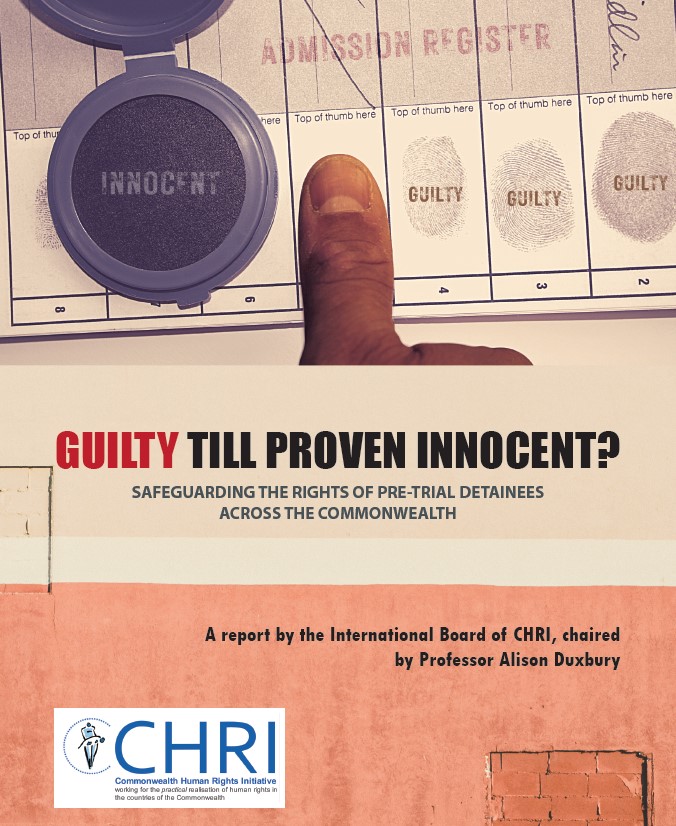
The excessive and arbitrary use of pre-trial detention is a global problem, affecting developed and developing countries alike, and can have a harmful impact on individual lives, families and communities. This report is a publication of the Commonwealth Human Rights Initiative that identifies and presents a one-of-a-kind comparative analysis of pre-trial safeguards in the existing legal and policy frameworks of all 54 Member States that constitute the Commonwealth.

The report was created with pro bono support facilitated by TrustLaw and legal research provided by K&L Gates Straits Law LLC (project coordinator); Allen and Overy LLP; Nyoh Law Chambers; and Shearman & Sterling LLP to inform this report.

Details

Countries

Global

Languages

English

Download Report

Download pdf: Download Report

SSF

This report covers and compares climate change laws in Argentina, Brazil, Chile, Colombia, Mexico, Paraguay and Peru based on twelve factors, including adaptation and mitigation plans, financial mechanisms, regulation on just transition and climate justice, and short- and long-term commitments.

Details

Countries

ArgentinaBrazilChileColombiaMexicoParaguayPeru

Download Report

Download pdf: Download Report

Tags

TRF

This report covers and compares climate change laws in Argentina, Brazil, Chile, Colombia, Mexico, Paraguay and Peru based on twelve factors, including adaptation and mitigation plans, financial mechanisms, regulation on just transition and climate justice, and short- and long-term commitments.

Details

Countries

ArgentinaBrazilChileColombiaMexicoParaguayPeru

Languages

English

Download Report

Download pdf: Download Report

FR-

[En español abajo]

This legal research compares legislations on child marriage in seven Latin American countries.

Child marriage is a recurrent practice in conflict-affected, suburban and rural areas of Colombia. The country’s Civil Code allows children aged 14 years old or older to marry, with the consent of their parents, without limiting or conditioning the age of their prospective spouses. Consequently, children are married to adult partners, and many become victims of sexual violence and exploitation, and even modern slavery and human trafficking.

This new comparative legal analysis examines the laws of Argentina, Bolivia, Brazil, Colombia, Mexico, Panama, and Peru and highlights the differences in legal status of child marriage across Latin America. The research will enable organisations like Save the Children and Fundación Renacer to develop their understanding of child marriage legislation in countries with similar social and legal structures to Colombia, informing their advocacy on the subject.

The report is the result of collaboration between the Thomson Reuters Foundation, Fundación Renacer-ECPAT Colombia and Save the Children Colombia. The law firms involved in the project were Bruchou & Funes de Rioja (Argentina), coordinating law firm; Morgan & Morgan (Panama); Dentons Guevara & Gutierrez (Bolivia); Hogan Lovells (Mexico); Tozzini, Freire, Teixeira e Silva Advogados (Brazil); Baker & McKenzie LLP (Colombia); and Rodrigo Elias & Medrano (Peru).

___

Esta investigación legal compara las legislaciones sobre matrimonio infantil en siete países de Latinoamérica.

El matrimonio infantil es una práctica recurrente en zonas suburbanas, rurales y afectadas por el conflicto armado en Colombia. El código civil colombiano permite el matrimonio de niñas y niños a partir de los 14 años de edad, con el consentimiento de sus padres, sin limitar o condicionar la edad de sus futuros contrayentes. Como resultado, niñas, niños y adolescentes se casan con adultos y muchos se convierten en víctimas de violencia y explotación sexual, e incluso esclavitud moderna y tráfico de personas.

Este nuevo análisis de derecho comparado estudia las leyes de Argentina, Bolivia, Brasil, Colombia, México, Panamá y Perú y resalta las diferencias del estatus legal del matrimonio infantil a través de América Latina. La investigación permitirá a organizaciones como Save the Children y Fundación Renacer desarrollar su entendimiento de la legislación sobre matrimonio infantil en países con estructuras sociales y legales similares a las de Colombia, y poder realizar una incidencia informada.

El informe es el resultado de una colaboración entre Thomson Reuters Foundation, Fundación Renacer-ECPAT Colombia y Save the Children Colombia. Las firmas que participaron del proyecto son Bruchou & Funes de Rioja (Argentina), firma coordinadora del proyecto; Morgan & Morgan (Panamá); Dentons Guevara & Gutierrez (Bolivia); Hogan Lovells (México); Tozzini, Freire, Teixeira e Silva Advogados (Brasil); Baker & McKenzie LLP (Colombia); y Rodrigo Elias & Medrano (Perú).

Details

Countries

ArgentinaBoliviaBrazilColombiaMexicoPanamaPeru

Languages

Spanish

Download Report

Download pdf: Download Report

HHI

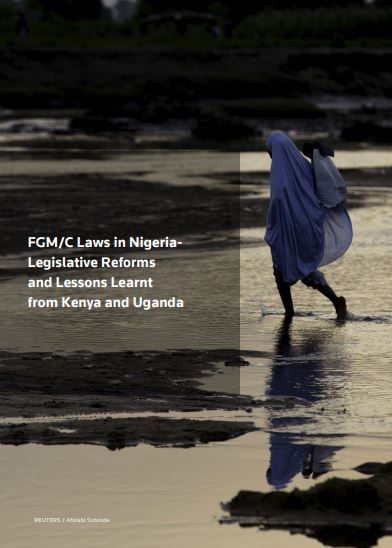
In Nigeria, the prevalence of Female Genital Mutilation/ Cutting (FGM/C) is 24.8% and about 20 million women and girls are reported to have undergone FGM/C. The southwest region records the second highest prevalence by geo-political zone with Ekiti, Osun, and Oyo State recording prevalence rates of 57.9%, 45.9%, and 31.1% respectively.

This report contains a comparative overview of anti-FGM/C laws in Oyo, Osun and Ekiti states in Nigeria as well as Kenya and Uganda, with the aim of drawing lessons from Kenya and Uganda to strengthen the anti-FGM/C legal and policy framework in the three states in Nigeria.

Details

Countries

KenyaNigeriaUganda

Download Report

Download pdf: Download Report

Tags