


Migrant, refugee and asylum-seeking women and girls in Europe face persistent inequalities and barriers to protection and enjoyment of their fundamental rights. The COVID-19 pandemic has amplified this discrimination, and created new outcomes that disproportionately impact migrant women and girls. This report is a publication by the European Network of Migrant Women (ENOMW) with design support from the Thomson Reuters Foundation. TrustLaw facilitated pro bono legal research support from Hogan Lovells LLP, Latham & Watkins LLP, Uràa Menéndez – Proenà§a de Carvalho, Linklaters LLP and Selma Korichi (independent lawyer) to inform this report.
Share


Sign up to our newsletter
Details
Countries
European UnionBelgiumFranceGermanyItalyPortugalHungarySpainSwedenGreeceLanguages
EnglishDownload Guide

Related resources
View all
Digital Services Act and European Media Freedom Act: What they mean for content moderation and media freedom
In the internet age, online news sources command a much larger readership than printed media….
Read More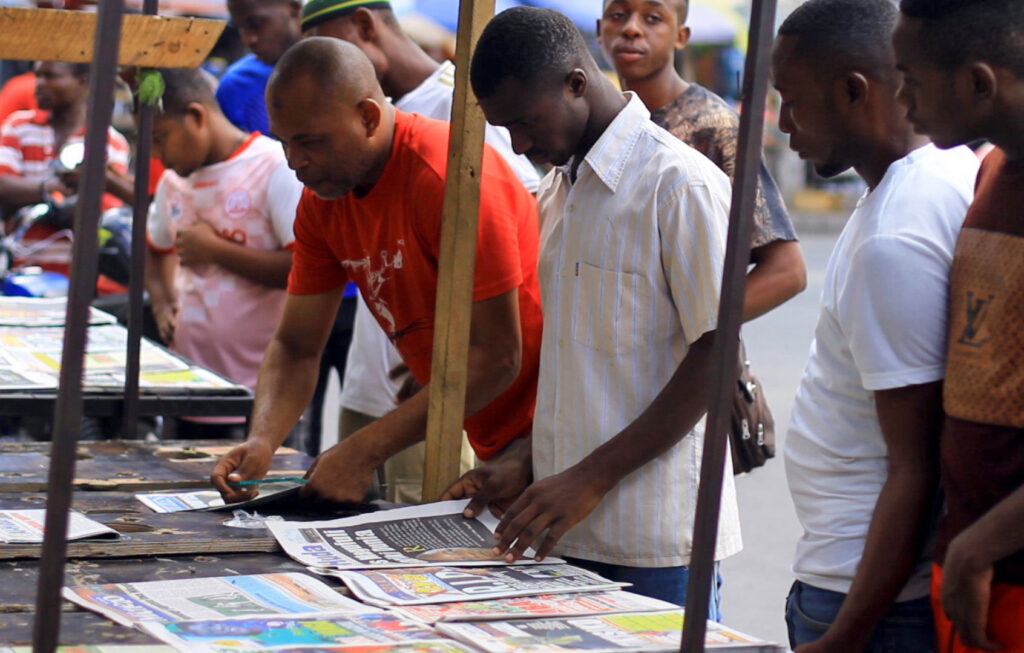
Legal guidelines on the use of AI in newsrooms (Kenya and Tanzania)
These legal guidelines aim to…
Read More
Casebook for newsroom AI prototypes and governance
This casebook documents what six small and mid-size newsrooms…
Read More
Before you publish: Middle East and North Africa legal pre-publication review guide for journalists
This Guide aims to assist journalists in the Middle East and North Africa in…
Read More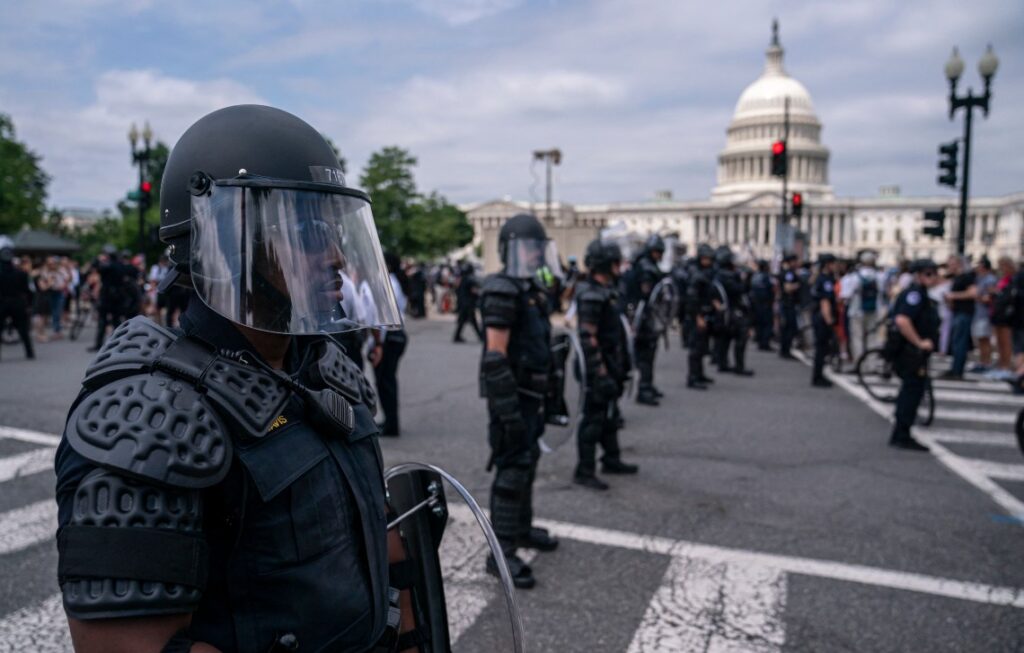
Know your rights guide for journalists covering protests in the U.S.
A guide for journalists in the…
Read More
AI use and best practice policy for newsrooms – Argentina
A practical guide which provides…
Read More
AI use and best practice policy for newsrooms – Uruguay
A practical guide which provides newsrooms…
Read More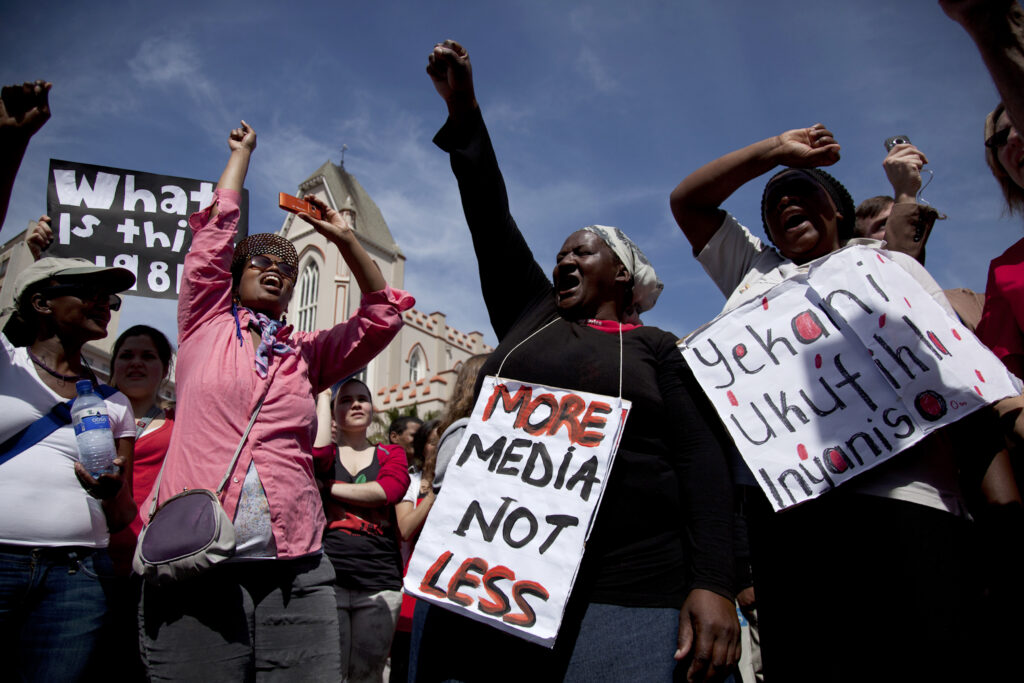
Weaponising the law: Threats to media freedom in South Africa
The legal threats eroding South Africa’s…
Read More
The global impact of the EU AI Act
This report is essential reading for business leaders navigating AI governance…
Read More
A New Generation of Laws Is Restricting Civic Space in Latin America
Civil society is under…
Read More

