


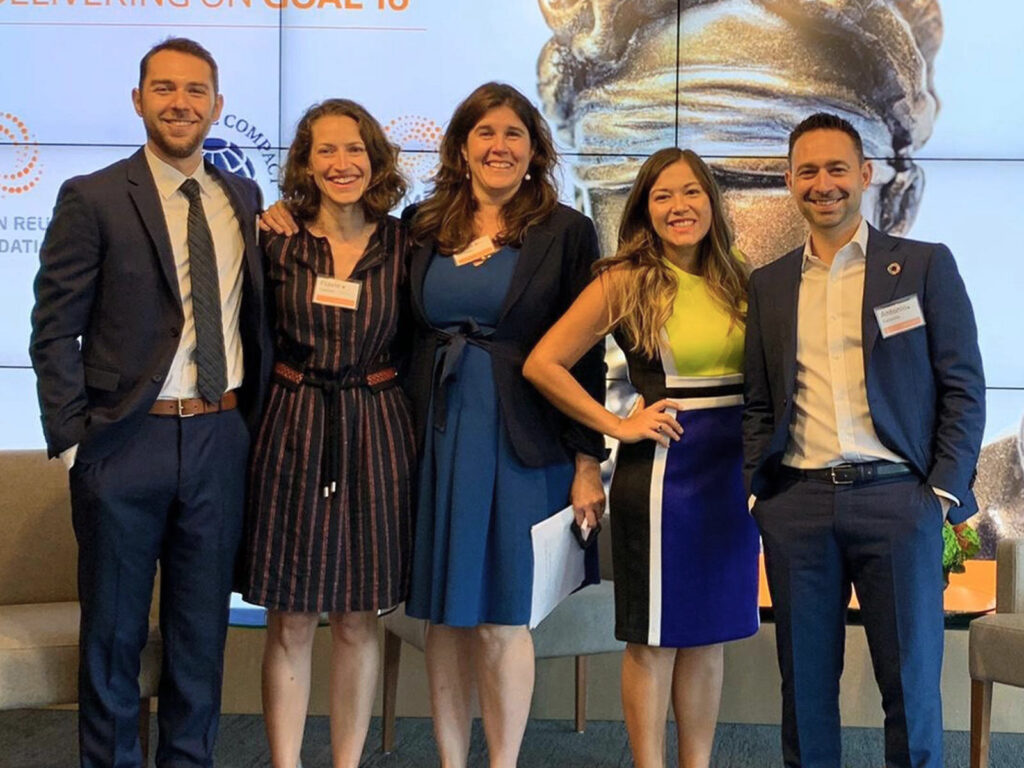
Last week, as world leaders gathered in New York for the 74th session of the United Nations General Assembly, TrustLaw, the Thomson Reuters Foundation’s global pro bono service, Thomson Reuters, and the UN Global Compact convened experts from across the legal community and leading NGOs for an interactive morning session on delivering Sustainable Development Goal 16.
The event, hosted by Thomson Reuters in New York City, included a fireside chat with Thomson Reuters Foundation CEO Antonio Zappulla alongside officials from the UN Global Compact and Oando PLC, as well as working table discussions on how companies can incorporate SDG 16 into their corporate DNA and potential pro bono research collaborations in the areas of human trafficking and protecting access to information and fundamental freedoms.
SDG 16, one of 17 Sustainable Development Goals adopted by all United Nations Member States in 2015 via the 2030 Agenda for Sustainable Development, outlines global aims to promote peaceful and inclusive societies with access to justice for all and effective, accountable, and inclusive institutions.
The event also included brief interventions from the floor, when Bennett Freeman, lead author of Shared Space Under Pressure: Business Support for Civic Freedoms and Human Rights Defenders, and Shelby Quast, Director of Americas for Equality Now, offered insight from their work on the front lines.
Natalie Meltzer, Program Manager for the Committee to Protect Journalists, said of the event: “What was really valuable for me was learning about what’s possible in terms of pro bono.”
Katherine Hughes, Pro Bono Attorney at Cleary, added that the event was: “Such a great opportunity to collaborate with folks on the other side of the [TrustLaw] process.”
During the fireside chat, Thomson Reuters Foundation CEO Antonio Zappulla outlined the Foundation’s three areas of focus: media freedom, inclusive economy, and human rights. Questions following the fireside chat included how to best tackle corruption, and reflections on the importance of media freedom.
Ideas for research projects developed during the working table discussions will be reviewed and then presented back to participants, who will have the option to move forward with the projects. TrustLaw has frequently linked pro bono firms and NGOs globally to produce cross-jurisdictional research reports on topics ranging from defamation in the Americas to corporate liability for forced labour and human trafficking. These reports drive forward understanding of important issue areas and provide valuable insight to NGOs leading social change efforts.
“We had experts in the room who joined us and our network of pro bono lawyers to brainstorm on the most pressing issues they are facing and the answers that could stem from high-impact legal research. It was inspirational and a unique opportunity to gather top NGOs and truly committed pro bono lawyers in the same room,” said Flavie Fuentes, Legal Manager for North America for TrustLaw.
Giulia Corinaldi, Global Head of Programmes for TrustLaw, added: “The event was an incredible incubator of new ideas. TrustLaw is now committed to ensuring they develop into concrete research that will deliver social change.”
Share


Sign up to our newsletter
More News
View All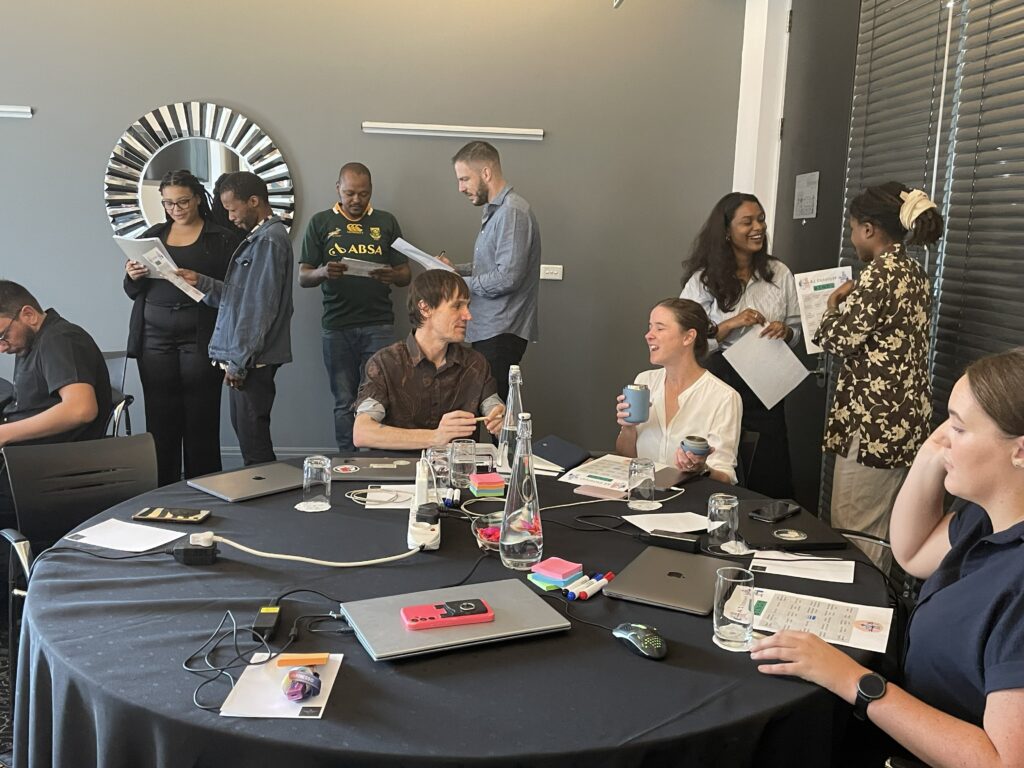
From competitors to collaborators: How AI training brought two South African newsrooms together
In partnership with Microsoft, we supported four newsrooms in South Africa with…
Read More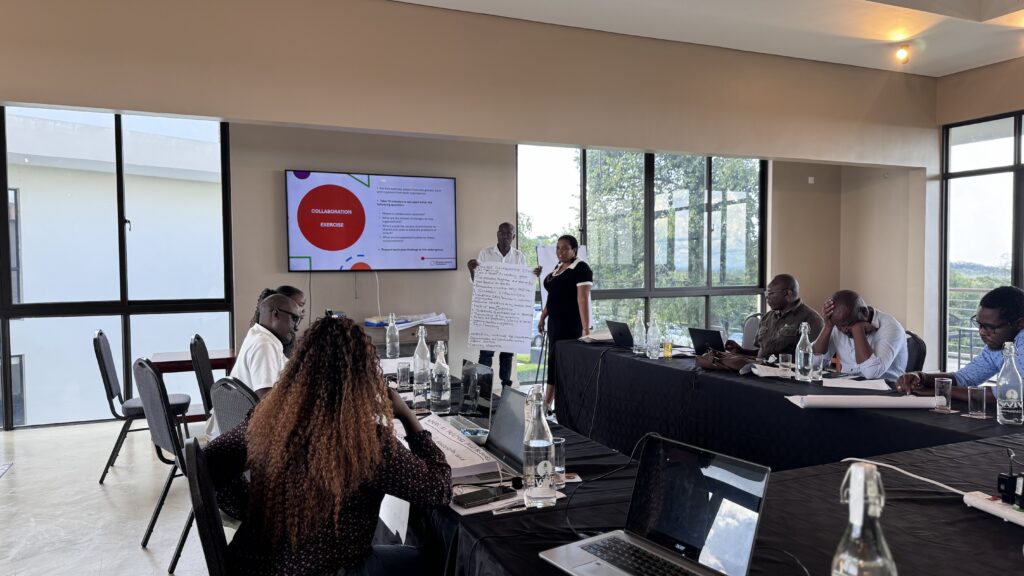
How one newsroom built an AI fact-checking tool for Zambia’s Election
In collaboration with…
Read More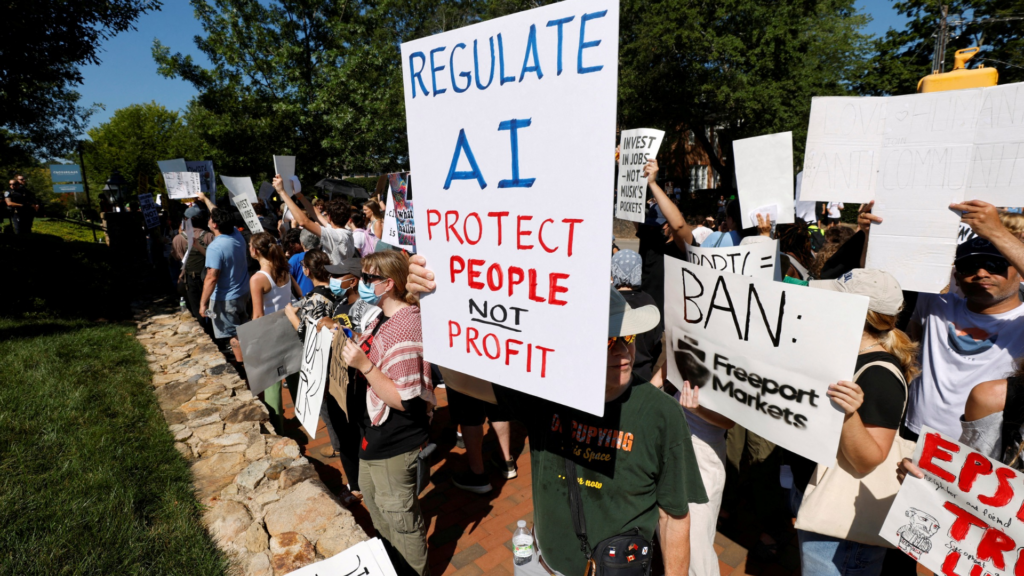
AI is the biggest reallocation of capital in a generation. Here’s why that should concern all of us
AI has led to a fundamental restructuring of economic power, raising questions that may…
Read More
Three converging pressures facing civil society – and what it will take to respond
What civil society organisations in our TrustLaw network are telling us…
Read More
Democracy is in retreat. Here’s why that should alarm us all
Three powerful and interconnected…
Read More
Collaboration between reporters and content creators is essential for defending information integrity
At workshops in Kenya, the Thomson Reuters Foundation saw what true co-operation…
Read More
“I had a love-hate relationship with journalists…”
A journalist and a content…
Read More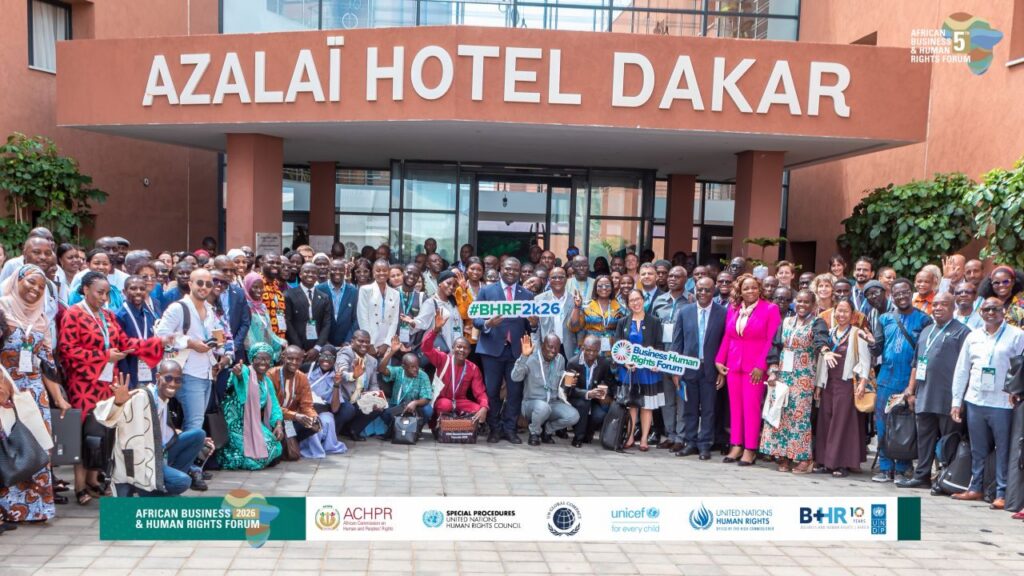
Working behind the scenes: Reflections from the 5th African Business and Human Rights Forum
A behind-the-scenes view of 5th African Business and Human Rights Forum -…
Read More
World News Day: every $1 invested in journalism can return $100 to society. So why are we letting it collapse?
Defending journalism is not just a moral responsibility. It’s an economic and democratic…
Read More
AI legislation is important in upholding universal human rights
Our Director of Responsible Business,…
Read More

