


When I took over as CEO in April 2019, I was in no doubt that there were hugely exciting opportunities ahead. I inherited an organisation with great reputation, reach and know-how, and a talented and passionately committed team.
Not only that, but in its recent history the Foundation had grown from a modest charity focused on the training of journalists and reporting on humanitarian issues, to a global organisation known as a thought leader in the anti-slavery world and renowned for its pro bono legal network, TrustLaw, as well as its journalism. The Foundation’s potential for continued evolution – and impact – was clear.
This is a tribute to my predecessor, Monique Villa, who had overseen the Foundation’s transformation, strengthened its convening power and focused her drive and passion to ensure the breadth and scale of its work continued to grow apace.
A change in leadership, however, is a great time to pause, take stock and look at the trajectory we’ve followed over the past decade. Some distinct trends stood out to me, together with a clear opportunity to realign the Foundation’s strategic path to build on the areas in which we can achieve the most impact.
And that is why our newly-defined focus areas double down on our core expertise. These are: media freedom, inclusive economies and human rights.
These pillars of work are interconnected, interdependent and overlapping. At the Thomson Reuters Foundation we believe that societies around the world should be free, fair and informed. It is simply impossible to live in such a society if there is a lack of free media, if human rights are not upheld, and if there’s no socio-economic inclusion.
This new framework encompasses all of our existing activities, offering the perfect opportunity to develop initiatives and partnerships that are clearly relevant to us. In addition, it shifts the focus to the wider and collective outcomes of the organisation. Our mission now is as clear as it has ever been: we use the combined power of journalism and the law to build global awareness of the critical issues faced by humanity, with the goal of inspiring collective leadership and shaping a prospering world where no one is left behind.
Today, I am proud to share with you a document that expands upon the vision I have outlined in this message and makes abudantly clear the wealth of existing work we have done within each of our focus areas, while charting the road ahead for us as an organisation.
Share


Sign up to our newsletter
More News
View All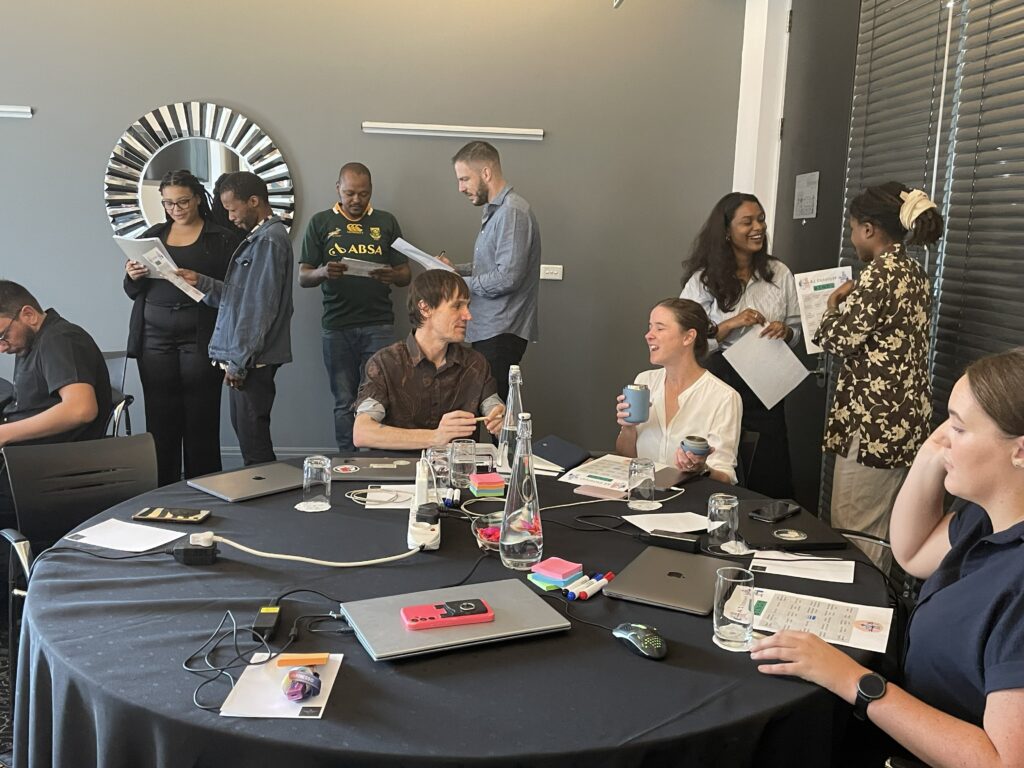
From competitors to collaborators: How AI training brought two South African newsrooms together
In partnership with Microsoft, we supported four newsrooms in South Africa with…
Read More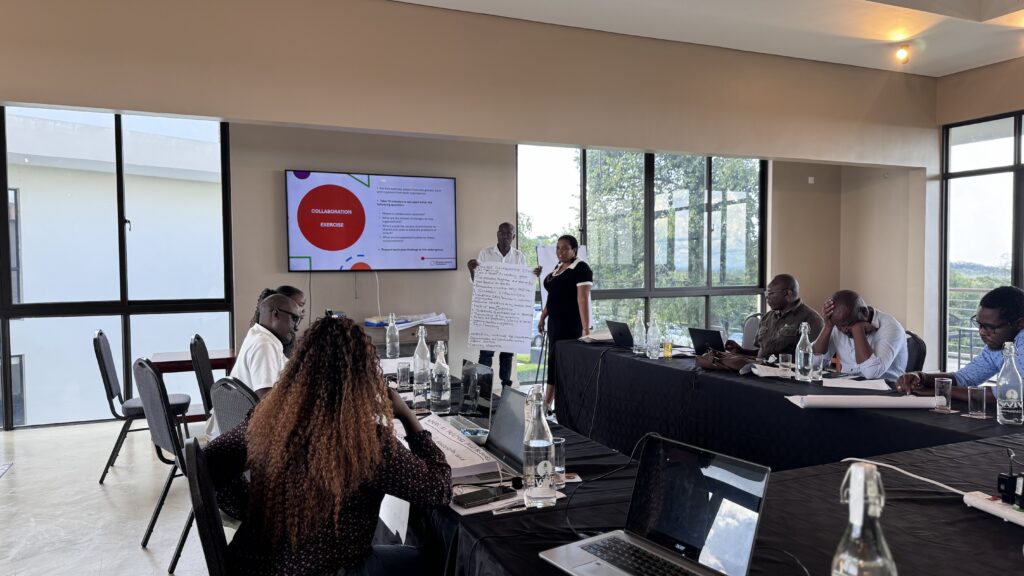
How one newsroom built an AI fact-checking tool for Zambia’s Election
In collaboration with…
Read More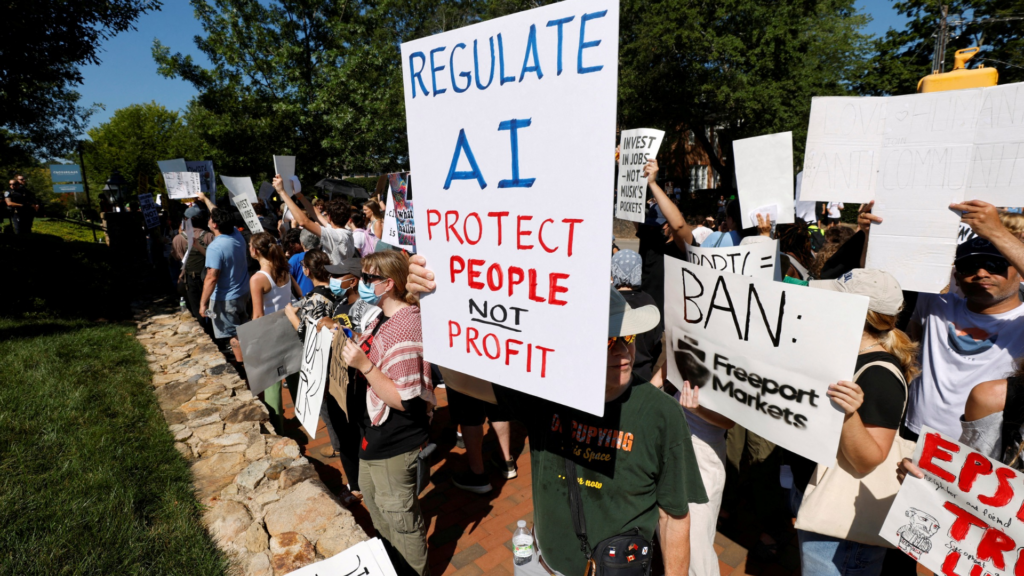
AI is the biggest reallocation of capital in a generation. Here’s why that should concern all of us
AI has led to a fundamental restructuring of economic power, raising questions that may…
Read More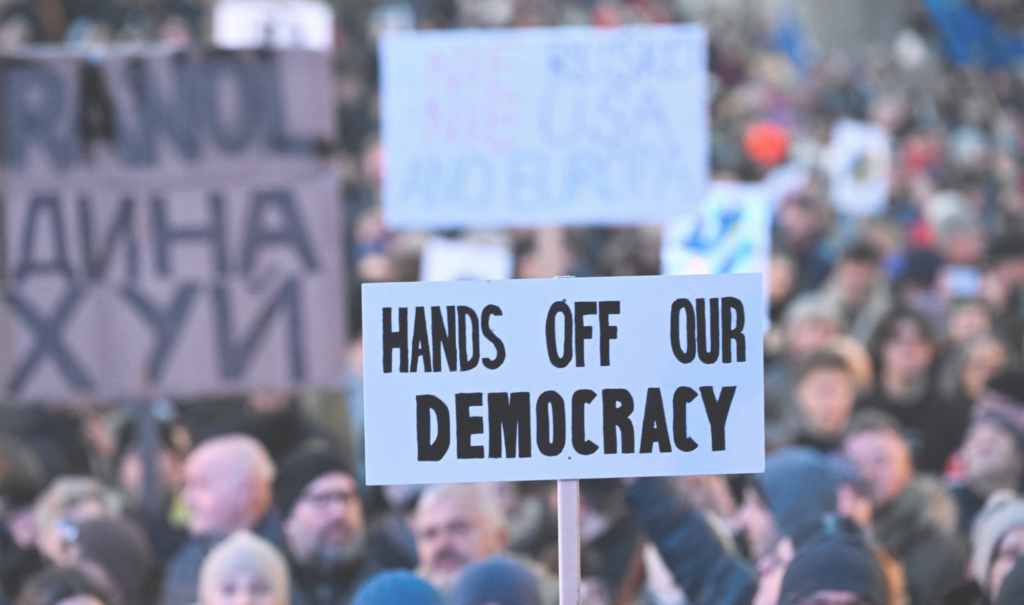
Three converging pressures facing civil society – and what it will take to respond
What civil society organisations in our TrustLaw network are telling us…
Read More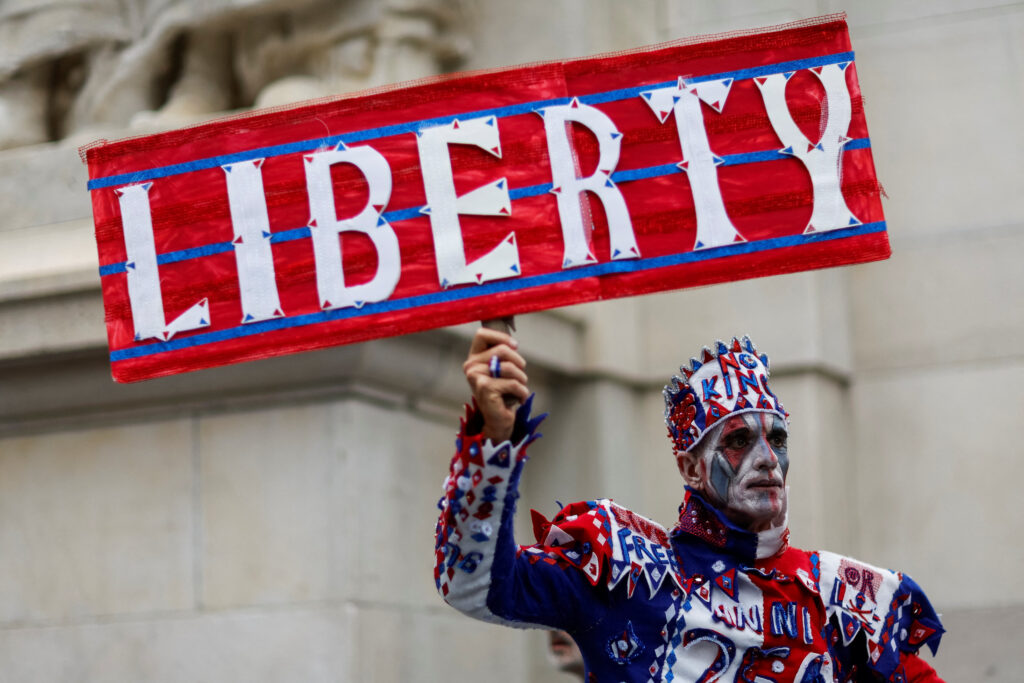
Democracy is in retreat. Here’s why that should alarm us all
Three powerful and interconnected…
Read More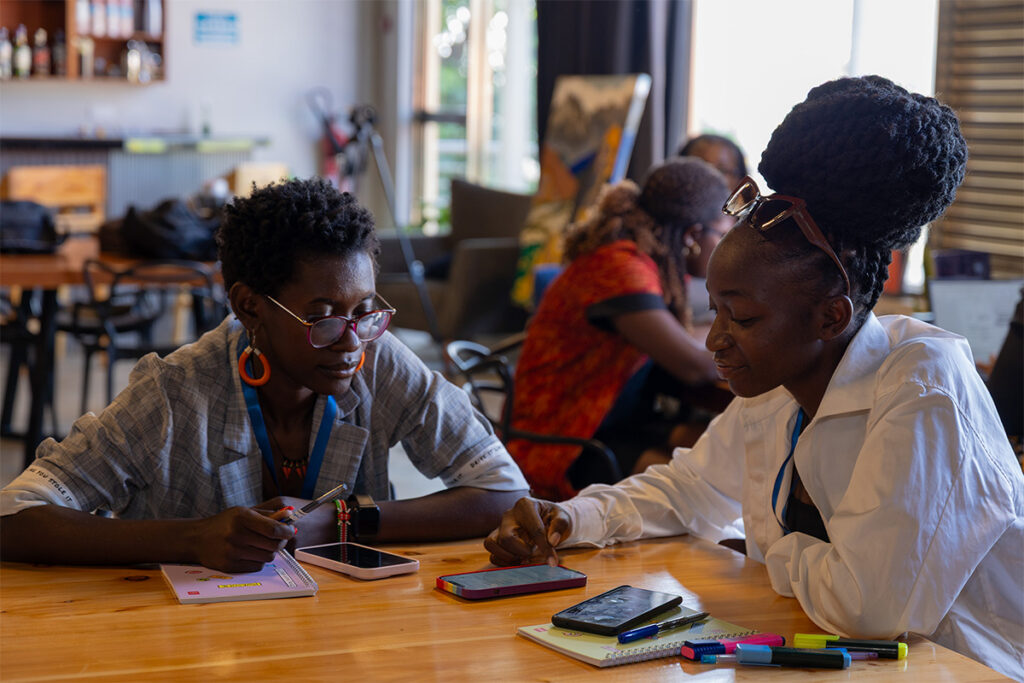
Collaboration between reporters and content creators is essential for defending information integrity
At workshops in Kenya, the Thomson Reuters Foundation saw what true co-operation…
Read More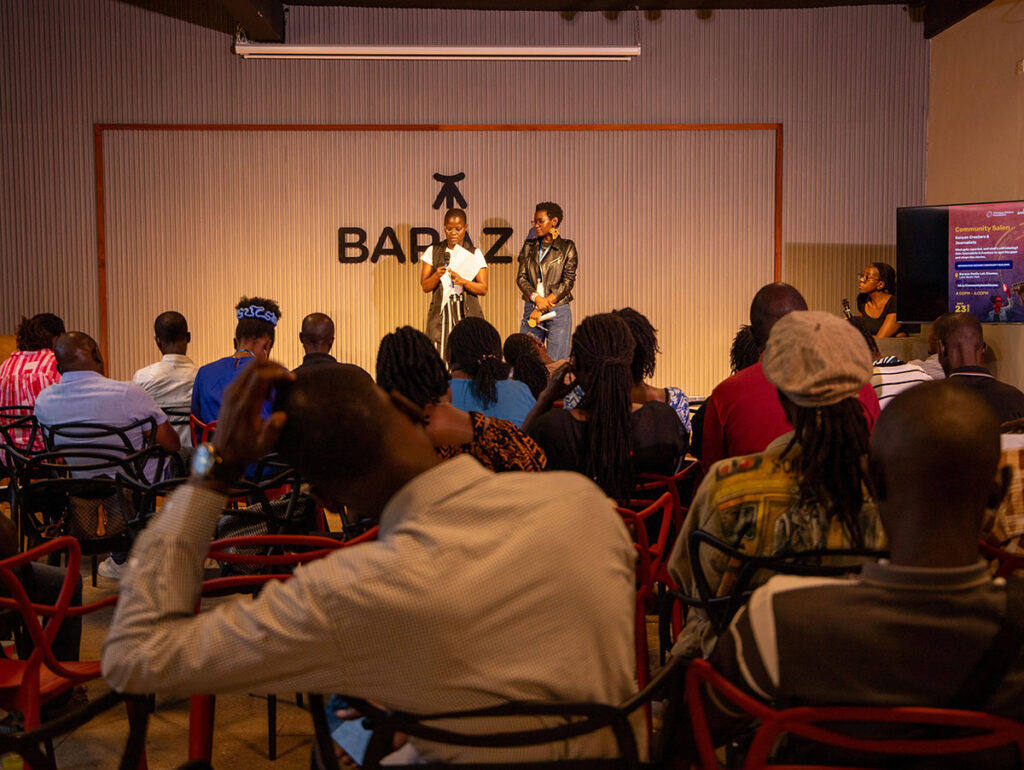
“I had a love-hate relationship with journalists…”
A journalist and a content…
Read More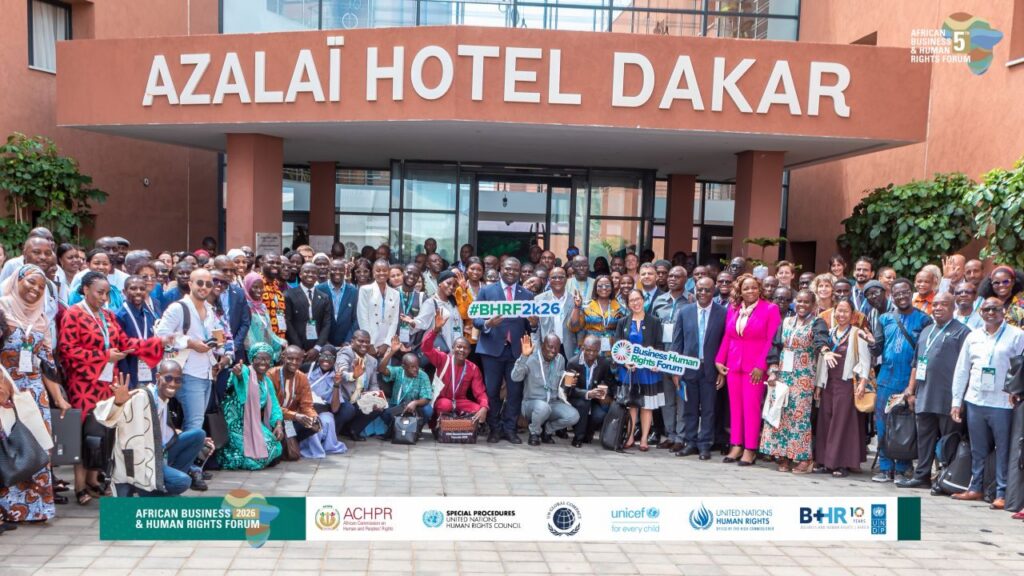
Working behind the scenes: Reflections from the 5th African Business and Human Rights Forum
A behind-the-scenes view of 5th African Business and Human Rights Forum -…
Read More
World News Day: every $1 invested in journalism can return $100 to society. So why are we letting it collapse?
Defending journalism is not just a moral responsibility. It’s an economic and democratic…
Read More
AI legislation is important in upholding universal human rights
Our Director of Responsible Business,…
Read More

