Report

The world’s largest dataset on corporate AI adoption: 100,000 data points, 2,972 companies, 11 sectors, 6 regions.


Overview

Across the global economy, companies are embedding AI into their products, services and operations at a speed that is outpacing the governance frameworks designed to keep it in check. The result is a widening transparency gap – one that creates risk for businesses, workers, investors and society as a whole.

To address this challenge, we partnered with UNESCO to launch the AI Company Data Initiative (AICDI): the world’s largest dataset on corporate AI adoption.

Our findings reveal a consistent and concerning pattern: organisations are eager to adopt AI, but lack the mechanisms to manage its associated risks.

  • Nearly 90% of companies have not publicly committed to any named AI governance framework
  • Only 13% have a policy to ensure human oversight of AI systems.
  • Just 2.3% have a dedicated complaints mechanism for AI-related issues, meaning the majority of companies have no early warning system for workforce risks related to AI.

Access the report

What's inside?

To download this free resource, simply click the 'Download' button under ‘Access the report’ and fill in your details to download.

Once downloaded, you will have access to:

  • Global findings across 5 themes: strategy, oversight, workforce, ethics and environment, data governance.
  • Sector-by-sector and regional trends.
  • Sentiment analysis of 15,000+ open-text corporate disclosures.
  • 8 company case studies (Vodafone, SAP, Telefónica, TELUS, BASF, Banco Bradesco and more).
  • A ready-to-use engagement guide and proxy voting principles to strengthen stewardship on responsible AI.

Who should download this resource?

Organisations looking to:

  • Benchmark their AI governance maturity against nearly 3,000 peers across their sectors and regions.
  • Identify the specific governance gaps most likely to attract regulatory and investor scrutiny.
  • Discover how this global standard-aligned survey can help you to enable greater AI governance.

Investors looking to:

  • Gain comparable AI governance data broken down by sector, region and company size.
  • Identify risks before governance failures create financial impacts.
  • Understand and anticipate where regulatory headwinds are most likely to concentrate.

Report snapshot

0 %

Less than a third of companies have a dedicated team or resource for AI governance.

Stakeholders expect more than disclosure – they expect evidence of how governance works in practice.

0 %

did not evidence that they had policies in place to protect employees from potential negative impacts of AI.

Companies are not demonstrating how they are preparing employees for an AI-enabled future, leaving themselves open to talent drain and productivity losses.

0 %

of companies report conducting human rights impact assessments on AI. Just 5% state that they conduct ethical impact assessments.

AI governance is focused on compliance, with limited visibility of ethical impacts, creating potential risks to people and society.

About this report

  • Published by the Thomson Reuters Foundation, in partnership with UNESCO.
  • Grounded in UNESCO's Recommendation on the Ethics of AI, adopted by all 193 UNESCO member states.
  • Backed by an investor signatory group with $1.2 trillion assets under management.

Report

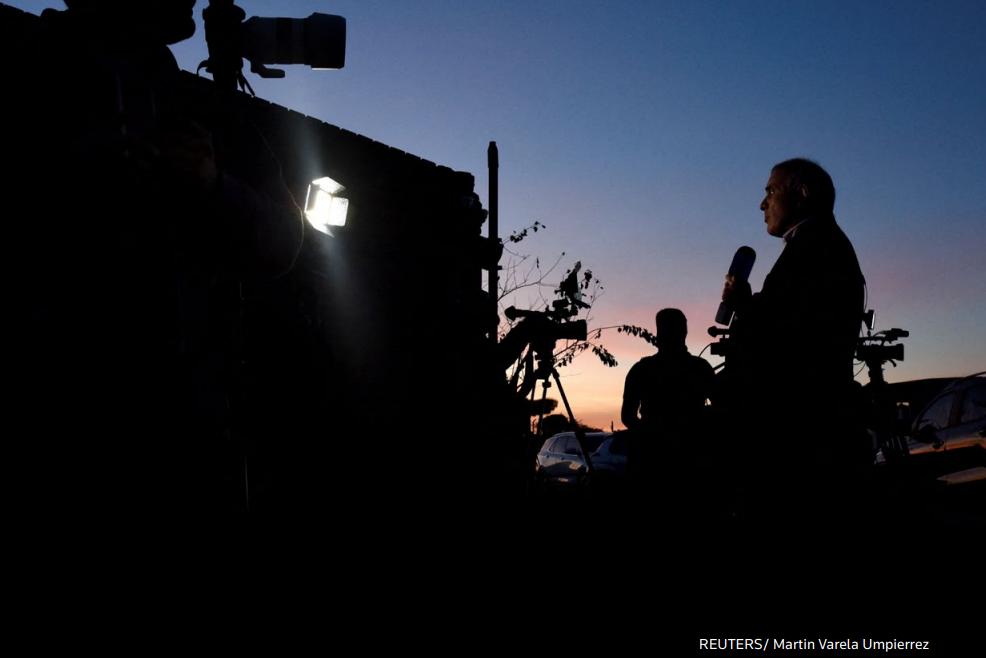
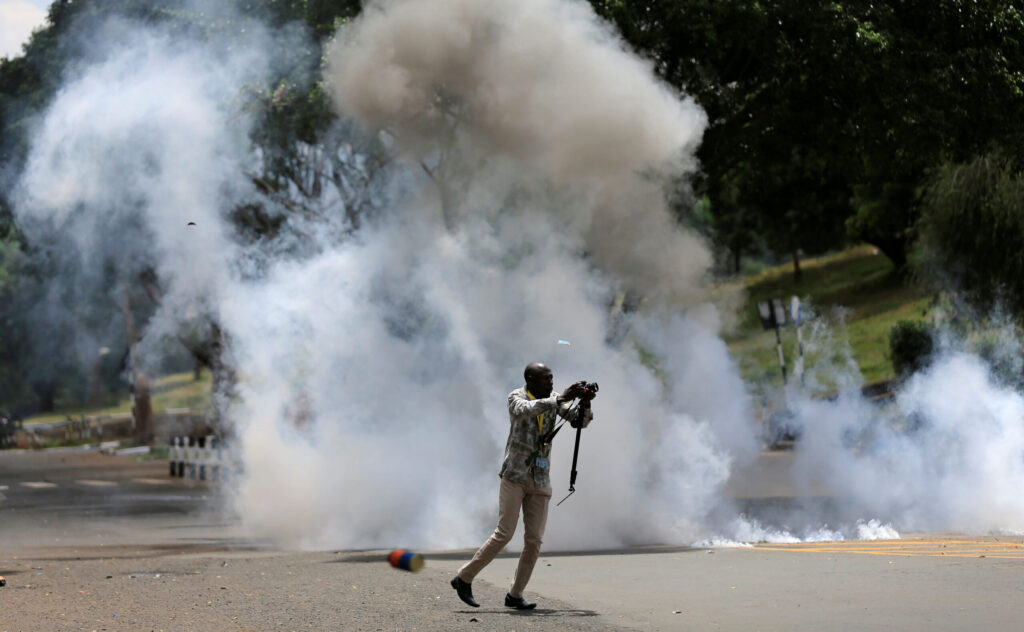
Photo: Reuters/Thomas Mukoya

The legal threats undermining press freedom in Kenya, and how to address them.


Overview

Despite constitutional protections, journalists and media organisations in Kenya face systematic legal attacks through the abuse of legal processes, regressive legislation, and escalating technological, financial and commercial threats that undermine press freedom and weaken industry sustainability.

To better understand and address this challenging environment, we partnered with ALT Advisory in association with Power Law Africa to conduct this research. Through extensive research on legislation and recent media freedom cases, consultations with journalists nationwide, and the insights and guidance of a panel of Kenyan media and legal experts, our report provides a comprehensive overview of the media freedom landscape in Kenya, alongside practical recommendations for driving change.

We found that 42% of respondents have faced legal threats in response to their work, including arrest, litigation, and shutting down online platforms. Our research identifies that these threats sit within six primary categories, from defamation lawsuits to unlawful surveillance and cybercrime.

Critically, 65% of media professionals highlighted legal protections as their top support need to ensure journalism sustainability, and over half expressed a lack of confidence in the legal system’s ability to protect journalists covering sensitive topics. Sustained multisectoral coordination and collective action will be pivotal to addressing these complex threats and weak protections, to defend press freedom in Kenya at a crucial time. The recommendations in our report set out clear, evidence-based steps that can be taken by actors across the media freedom ecosystem.

This report builds on the 2023 global “Weaponizing the Law: Attacks on Media Freedom” report to examine how legal provisions and processes are weaponised to intimidate, silence, and economically weaken media actors in Kenya.

Access the report

Report snapshot

0 %

of media actors have faced legal threats in response to their work.

This includes litigation, arrest, and the shutdown of online platforms.

0 %

of respondents identified journalist safety as one of the biggest legal threats to journalism in Kenya.

A failure to enforce existing protections has fostered a culture of impunity, as evidenced by cases of threats, physical assaults, harassment, and even killings.

0 %

of respondents highlighted legal protections as their top support need.

Institutional weaknesses, such as inadequate oversight of surveillance powers, undermine the effectiveness of existing legal protections.

Core recommendations

While these challenges are not unique to Kenya, solutions require collaborative action across the country's media freedom ecosystem. Recommendations include the need to:

  • Strengthen implementation of access to information and community media laws
  • Confront abuse of court processes through legal protections and judicial reform
  • Mitigate the impact of repressive and disabling legislation through building evidence and driving public awareness
  • Address technology-facilitated harms
  • Advance the sustainability of journalism through stronger legal support mechanisms, education and robust policies


Download the full report

Download pdf: Download the full report

The law is increasingly being weaponised around the world to silence public interest reporting. While some cases brought against journalists are legitimate, many are not. Some cases, known as Strategic Lawsuit Against Public Participation suits (SLAPPs), are deliberately brought to silence or intimidate journalists. The fear of retaliation or costly lawsuits may discourage publication or cause a journalist to remove a story. This has the effect of chilling speech and may undermine public discourse, often on matters of public interest.

This guide has been published in response to this context, with a focus on European jurisdictions. It aims to assist journalists working in Europe to minimise their legal liability by providing a checklist of factors to consider before publishing a story. While this may not prevent SLAPP suits or other legal attacks on journalists, this Guide seeks to assist journalists in:

  • acting ethically,
  • limiting their legal liability, and
  • ensuring that they may raise a reasonable defence before a court to avoid unfair legal sanctions.
Download report
Download
Details

Languages

EnglishRussianBelarusian

Female genital mutilation (FGM) is a globally recognised form of gender-based violence and discrimination, affecting over 230 million women and girls worldwide.  

Strategic litigation can be a powerful tool in the movement to end FGM. To strengthen these efforts, cases relating to FGM – whether prosecutions, civil cases, constitutional cases, or other forms of strategic litigation – need to be periodically examined to determine barriers to access to justice for those who are the most impacted.  

Through TrustLaw, the Foundation’s global pro bono legal network, we connected the global human rights organisation, Equality Now, with legal experts at Covington & Burling LLP for research support.  

The resulting report aims to broaden and deepen our understanding of the use of the law as a tool to eliminate FGM. Its findings are designed to support future litigation efforts, inform stronger and more effective legal strategies, and promote a coordinated, informed and survivor-centred approach to ending FGM. 
Reflecting on the power of legal pro bono, Divya Srinivasan, Global Lead, Ending Harmful Practices at Equality Now, said: 
 
“Laws against FGM exist, but justice is still out of reach for many survivors. The pro bono legal research facilitated by Thomson Reuters Foundation helped us analyse cases across ten countries and exposed systemic failures. These findings will drive our advocacy to strengthen laws and improve justice for women and girls.” 

Read the reportright icon
Report

Findings from a rapid survey of legal needs amongst Civil Society Organisations (CSOS) in the Thomson Reuters Foundation’s TrustLaw network, the largest pro bono legal service in the world.


Overview

Civil society organisations (CSOs) globally are facing some of the biggest challenges in decades, from sweeping cuts to international aid budgets, to increased political pressure and scrutiny, to authoritarian leaders weaponising the law to cut off CSOs from their support networks.

In September 2025, TrustLaw, the Thomson Reuters Foundation’s global pro bono service, surveyed our CSO members to understand how their legal needs had changed over the past 12 months, and what they were expecting in the coming 12-24 months. Most respondents were small, grassroots organisations with fewer than 50 staff, distributed across the world.

Download the report

Download pdf: Download the report

Report snapshot

0 %

of CSOs reported rising legal needs over the last year

A figure that increases to 65% in Asia and 70% in North America.

0 %

cited new and/or stricter laws targeting civil society as the driver of this rise

A further 34% attributed it to funding changes or cuts.

0 %

now rank loss of funding among the top 3 most serious risks to face their organisation

A figure that rises to 81% for those working specifically in human rights defence.


Key recommendations

Meeting this moment requires more pro bono support, but also more diverse and strategically organised support. This includes:

  • Deepening the pro bono bench, especially in context where pro bono is newer or less formalised, to improve access for CSOs to local expertise.
  • Building longterm partnerships that combine oneoff advice with capacity building, training and preventive risk management.
  • Engaging a broader ecosystem of legal actors – law firms of all sizes, inhouse legal teams, bar associations, universities and specialist clinics – and connecting them more systematically with CSOs including with the support of clearinghouses like TrustLaw.
  • Supporting strategic litigation. In particular, one respondent highlighted the importance for CSOs to be able to tap into lawyers who can help with strategic litigation and push back on the most damaging new regulations, and on laws clearly infringing on established human rights.

About the author

TrustLaw

TrustLaw, an initiative of the Thomson Reuters Foundation, is the world’s largest pro bono legal network. Working with leading law firms and corporate legal teams, we facilitate free legal support, ground-breaking legal research and resources for non-profits, independent media and social enterprises in over 190 countries. By spreading the practice of pro bono worldwide, TrustLaw wants to strengthen civil society and drive change. If you have ideas for resources we could develop or legal research projects that would be of assistance after reading this guide, please contact us. If you are a non-profit or social enterprise in need of legal support, find out more about the service and join TrustLaw for free.


The increased use of Generative Artificial Intelligence (GenAI) tools has introduced both benefits and risks for freedom of expression. While these tools can enhance creativity, access to information, and civic engagement, they also pose significant risks such as the spread of information disorder, algorithmic bias and personal data misuse.

In addressing these risks in African contexts, this research report presents an analysis of the intersection between GenAI and the right to freedom of expression in eight countries across Eastern and Southern Africa: Ethiopia, Kenya, Rwanda, South Africa, Tanzania, Uganda, Zambia, and Zimbabwe. It explores the legal frameworks governing GenAI and related rights, including privacy, data protection, copyright, corporate accountability, and access to justice.

Through TrustLaw, the Foundation’s global pro bono legal network, in partnership with the Patrick J. McGovern Foundation, we connected ARTICLE 19 Eastern Africa with legal experts at ALP East Africa, Coulson Harney LLP (Bowmans Kenya), Bowmans South Africa, Bowmans Tanzania, B&M Legal Practitioners (Bowmans Zambia), Kanokanga & Partners, Mehrteab & Getu Advocates LLP, and K-Solutions & Partners (ALN Rwanda) to develop this resource.

Download PDF

Download pdf: Download PDF
Report

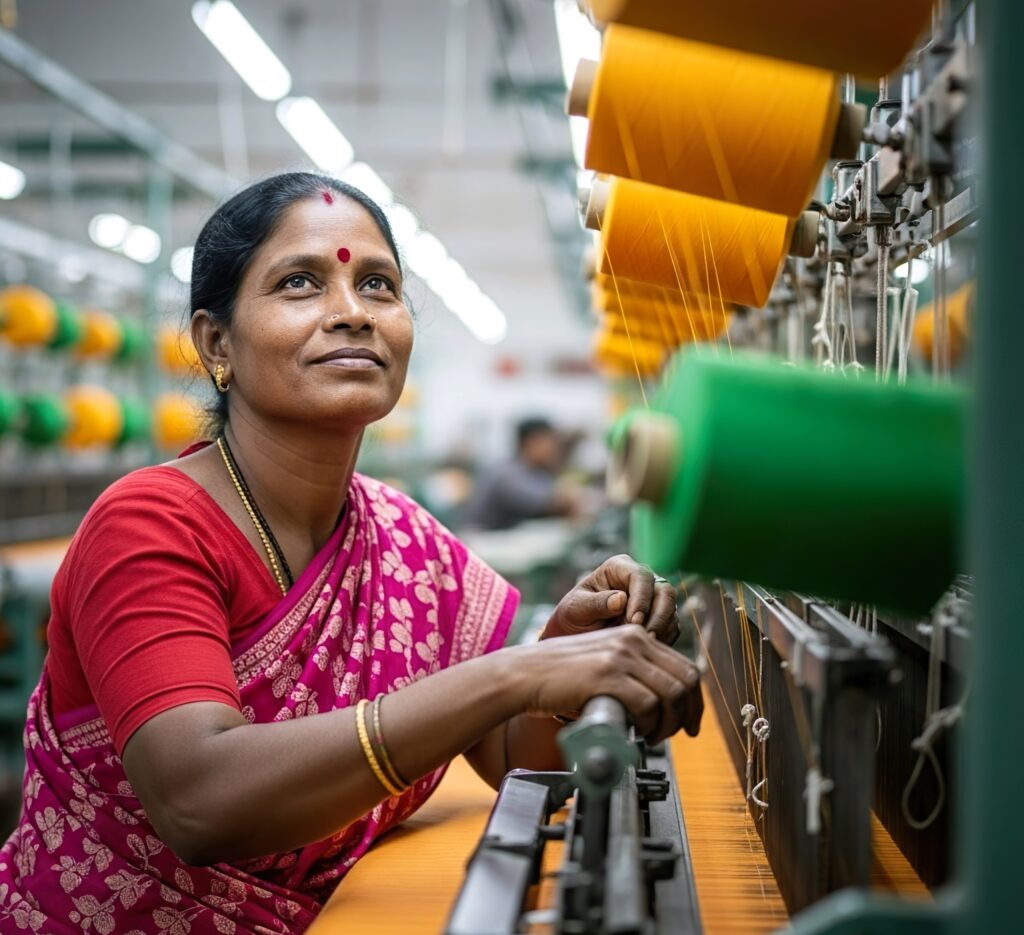
How businesses can bridge the gap between climate ambition and action, putting people at the heart of just transition in South Asia


Overview

The shift towards a low-carbon economy is reshaping the lives and livelihoods of people worldwide. However, top-level climate goals are often at odds with workers’ realities on the ground.

This report explores how businesses can turn climate intentions into concrete action that puts people at the heart of the shift to net zero. It uses examples of just transition in South Asia, as well as the challenges faced by buyers and investors in Europe when considering how to embed just transition principles in global supply chains.

This research is part of our work to improve understanding of the links between climate change and labour rights, in order to promote more responsible business practices.

Access the report

What does just transition mean?

The move away from fossil fuels risks deepening existing inequalities, as millions of workers depend on coal, oil and manufacturing.

Just transition means creating greener job opportunities without leaving people behind. It signifies not only mitigating the direct risks of climate change to people, but also addressing the impact on the workforce of potential unemployment, income loss, and exclusion from new opportunities.

Just transition in South Asia

Bringing together global frameworks and examples from companies in South and Southeast Asia, the report defines the concept and challenges of just transition for businesses, investors, policymakers and sustainability leaders.

Drawing on extensive research and interviews with business and civil society leaders - particularly in India and Bangladesh - the report features examples from companies of embedding just transition principles and turning them into action.


Just transition in context

0 k

garment jobs at risk in Bangladesh

Extreme heat and flooding could reduce Bangladesh’s garment industry's earnings by 22% by 2030, putting almost a million jobs at risk, according to Cornell University's Global Labor Institute and Schroders.

0 %

of coal workers in Jharkhand, India think they lack skills to work in other sectors

94% of coal workers in the state have not taken part in any training, and nearly half of those who have (45%) believe they lack the skills for alternative sectors, EY's 2023 Climate Trends report found.

0 k

people in Vietnam displaced by hydropower plants

Building small hydropower plants has displaced over 200,000 people in northwest Vietnam, 90% of them from ethnic minority groups, according to research by Ty Pham Huu and LANDAc.

Key findings

Context in South Asia

The report focuses on how just transition is understood and put into practice, with examples from India and Bangladesh.

In India, millions of workers employed in the coal industry will be affected by the shift away from fossil fuels. However, the report shows that the term ‘just transition’ is often perceived as an abstract concept, limiting conversations on how to ensure these workers can adapt and reskill to industry change.

Bangladesh is one of the countries most affected by climate risk, which will impact the country’s cotton production and garment industries, as well as displacing communities. Despite the impact on workers, there is a low level of awareness of the links between energy transitions and workers’ rights in the country.

Risks and gaps

Supply chains in the region power global industries. But top-level climate goals are often detached from the real-life impact of just transition on workers. Our research finds that progress on just transition in these regions is held back by:

  • A lack of common understanding of what ‘just transition’ means across sectors and regions
  • Limited alignment between businesses’ environmental and social strategies
  • Data gaps due to few standardised reporting frameworks and insights on the social impact of climate adaptations
  • Procurement practices that push the cost of just transition onto Global South suppliers

Competing priorities

Multinational buyers and local suppliers have different needs. Companies must balance competing drivers – such as such the cost of green investments versus the effect on wages, or the speed of change versus the need to include vulnerable workers.

Recommendations

Just transition efforts should be built on collaborative approaches that prioritise stakeholder engagement, rather than top-down climate directives. The report includes corporate case studies that highlight how companies can:

  • adopt climate strategies that prioritise workers' and human rights
  • set up cross-functional teams for accountability and action
  • engage in on open dialogue with workers, suppliers and communities
  • develop inclusive training programmes for workers
  • improve data collection and standardise monitoring approaches, in order to measure the impact of just transition efforts.

TRF

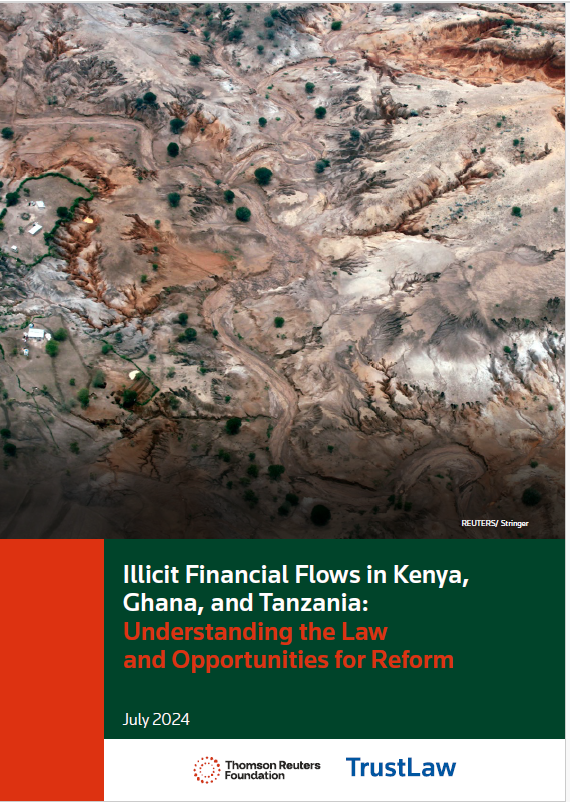
This report examines the legal and institutional frameworks in Kenya, Ghana, and Tanzania to curb illicit financial flows (IFFs), identifying their strengths and gaps that facilitate IFFs. It focuses on three prevalent forms of IFFs: tax-related IFFs, corruption, and money laundering. The study highlights the significance of commercial activities, which account for 65% of IFFs from Africa, and emphasizes the need to address aggressive tax planning, transfer pricing abuse, mis-invoicing, and tax evasion. It also delves into corruption within the extractive sectors of Tanzania and Ghana, and the financial and real estate sectors in Kenya, which are particularly vulnerable to money laundering. This report aims to empower civil society organizations (CSOs) and advocacy communities by enhancing their understanding of the legal landscape to effectively combat IFFs, thereby increasing government transparency and accountability in combating IFFs in these countries.

Details

Countries

GhanaKenyaTanzania

Download Report

Download pdf: Download Report

Too often, the people most in need of health services cannot access them due to stigma, discrimination, gender inequality or harmful laws and policies, including criminalisation.

TrustLaw facilitated this legal research as part of an ongoing partnership between the Global Fund to Fight AIDS, Tuberculosis and Malaria (the Global Fund) and the Thomson Reuters Foundation (TRF), to support young journalists and civil society actors to challenge human rights-related barriers that can prevent marginalised communities from accessing health services.

The report surveys the legal barriers that adolescents and young people face in accessing (i) HIV prevention and testing services, (ii) sexual and reproductive healthcare, and (iii) harm reduction services, in eight countries: Cameroon, Ghana, Nigeria, South Africa, Indonesia, the Philippines, Thailand, and Kyrgyzstan. The research focuses on the laws which facilitate or hamper access to these healthcare services – the extent to which the laws are enforced falls outside the scope of the research.

This report is produced with pro bono support from lawyers at A&O Shearman in Thailand, Kalikova & Associates in Kyrgyzstan, Norton Rose Fulbright in Indonesia, Puyat, Jacinto & Santos in the Philippines, Udo Udoma & Belo-Osagie in Nigeria and three further pro bono law firms in Ghana, Cameroon, and South Africa.

Download report
Download

TRF

Bienvenidos a la “Guía para medir el impacto del trabajo pro bono”, presentada por TrustLaw, la red global pro bono legal de Thomson Reuters Foundation. En TrustLaw, nuestra misión es conectar a abogados en 190 países con ONG y empresas sociales que necesitan asistencia jurídica pro bono. Al involucrarse con el trabajo pro bono, los abogados pueden capitalizar el poder del derecho para afrontar algunas de las cuestiones apremiantes que enfrenta la sociedad actual.


Para cumplir esta misión, trabajamos de cerca con equipos legales que incluyen tanto firmas jurídicas como departamentos legales corporativos alrededor del mundo. Desde grandes firmas internacionales con personal especializado que trabaja a tiempo completo en casos pro bono hasta firmas jurídicas pequeñas o unipersonales que brindan asesoría jurídica ad hoc a las organizaciones de la comunidad local, TrustLaw respalda un amplio rango de iniciativas pro bono. Nuestros equipos regionales nos brindan conocimientos únicos sobre el panorama global del pro bono y nuestro Índice de Pro Bono de TrustLaw ofrece una
mirada integral sobre la escala y las tendencias del sector legal pro bono a nivel internacional.


En el mundo actual, medir el impacto es esencial, particularmente para impulsar el cambio social. Las organizaciones desean saber que su tiempo, inversión y esfuerzo están marcando una diferencia significativa. Aunque muchas aún dependen del registro de horas como métrica principal para evaluar los resultados alcanzados, hay un reconocimiento creciente de la necesidad de considerar el impacto con un enfoque más integral. Sin embargo, medir el impacto puede ser desafiante y costoso.


Esta guía busca salvar esta brecha. Mediante un esquema de 5 pasos, nos proponemos brindar apoyo a los equipos legales para medir el impacto de sus programas pro bono de manera más efectiva. Creemos que, al entender y cuantificar el impacto de su trabajo, los abogados pueden maximizar sus contribuciones al cambio social y generar una diferencia tangible en las vidas de sus beneficiarios.

Details

Countries

Global

Languages

Spanish

Download Report

Download pdf: Download Report