


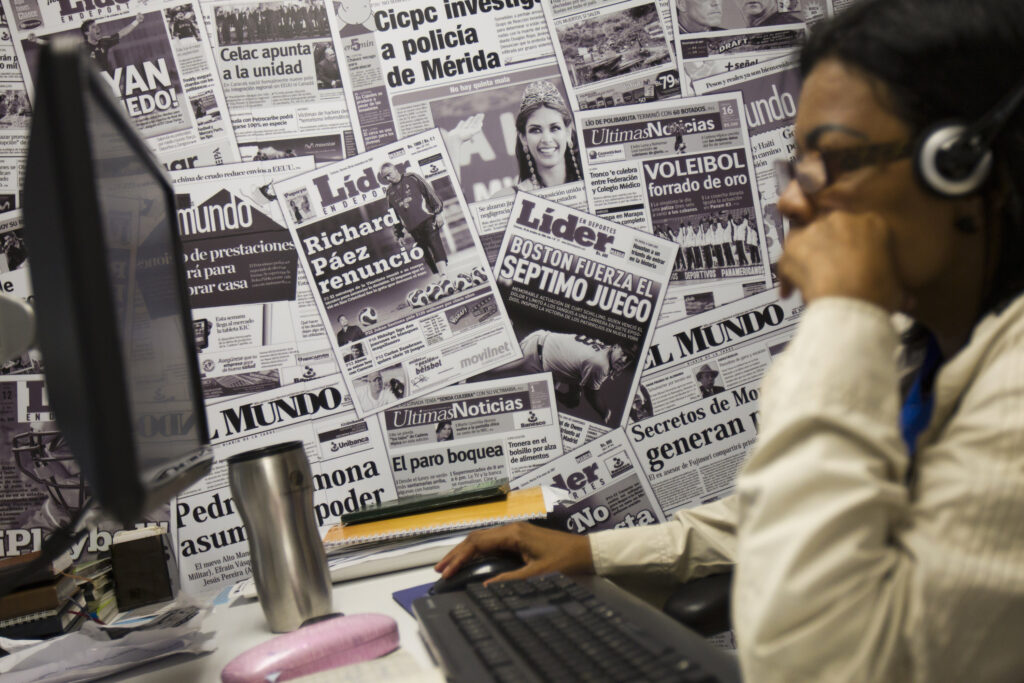
When Ghanaian journalist Kweku Bolton investigated the growing practice of mobile money fraud in the country, his reporting was followed by 32 arrests by the cybersecurity authority and coincided with telecommunications companies implementing quarterly system upgrades.
This is accountability journalism in action – exposing harm that would otherwise remain hidden, prompting institutions to respond and giving the public evidence that power can be challenged. Bolton is one of the hundreds of journalists we’ve supported across 25 African countries over 15 years to tackle illicit financial flows and expose power abuses.
The role of journalism in democracies
Democracies depend on people having access to reliable information that enables them to make informed decisions – and that’s exactly the role of independent media, and why our work in this space exists.
But trustworthy journalism does more than that. It creates a shared basis of fact, scrutinises those who exercise power and gives citizens evidence to demand change. Without this, elections may still happen, but meaningful democratic accountability becomes much harder. At the Thomson Reuters Foundation, we believe in the power and value of independent media to deliver accurate information at scale and hold power to account, ensuring that the right checks and balances are in place.
But newsrooms globally face a range of legal, digital and financial challenges that threaten their sustainability, independence and ability to operate – and it’s only getting harder as traditional business models come under pressure.
Growing threats facing press freedom
The scale of these threats is significant. With three quarters of people living under autocracies, protecting those that protect our civic freedoms matters now more than ever. As autocracy rises, freedom of expression is often the first liberty to erode. In 2025, V-Dem reported that this decreased in 44 countries, with almost 75% of autocracies resorting to silencing the media – and CPJ’s annual prison census recorded more journalists imprisoned worldwide than ever before.
Legal attacks against journalists are on the rise. Our Weaponisation of the Law series demonstrates this clearly: legal systems are being deliberately used to criminalise journalism, pushing many to self-censor. Last year alone, this worsened in 26 countries. This deepens public uncertainty and mistrust at a time when confidence in institutions is already fragile.
At the same time, many are struggling to keep up with the rapid proliferation of technologies like AI – causing mis- and disinformation to flourish. Our own research surveying over 200 journalists across more than 70 countries in the Global South found that journalists need greater support and clearer guidance to navigate this shift.
Together, these pressures make it harder for independent media to do its job and sustain the shared reality on which democratic accountability depends.
How we support independent media
Through editorial, legal and operational support, we help journalists and newsrooms worldwide to continue to deliver trusted, credible information, even under pressure.
For young civil society leaders and journalists across Africa and Asia, we train and mentor them to tackle health mis- and disinformation, giving marginalised groups the information they need to access life-saving healthcare and participate in civic life.

Accurate and responsible reporting is vital in my community because many people rely on the media for information that directly affects their health, safety, and livelihoods. Credible journalism helps people make informed decisions, holds leaders accountable, and ensures that underreported communities are not ignored in policy and development discussions.
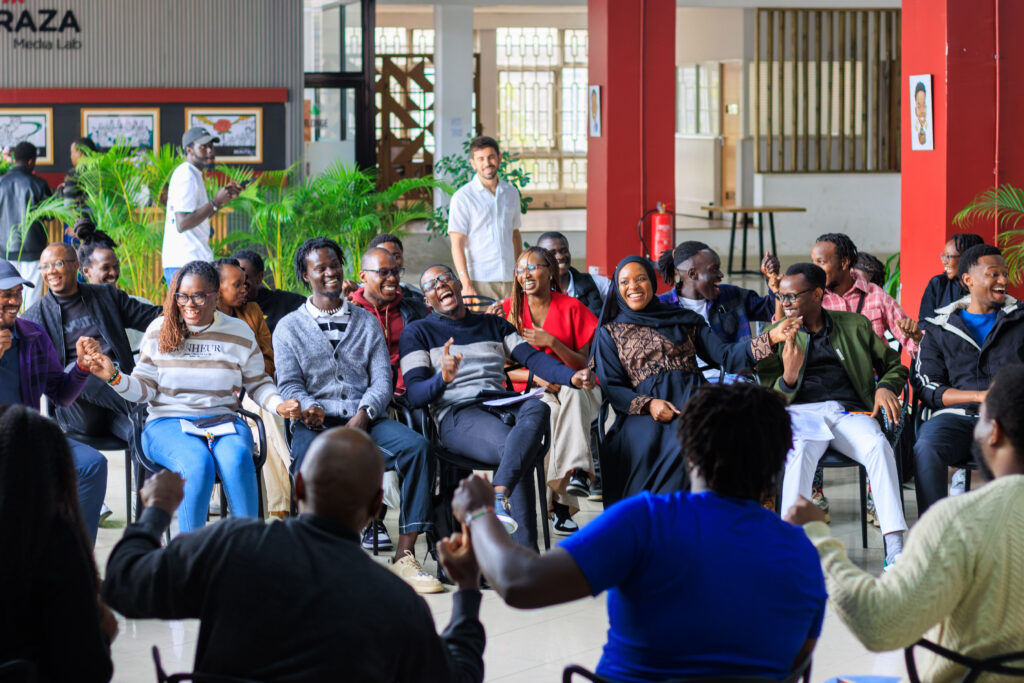
It also means equipping those at the forefront of democracy’s most pivotal moments. We’re bringing together news content creators and journalists in Kenya so that they can learn from each other, uphold accurate reporting and engage audiences – particularly important ahead of the country’s election in 2027.
Journalists and content creators don’t need to compete – not if we share the common goal of fostering more informed and therefore freer societies […] “What happens when the two come together?” The answer is quite simple: that collaboration becomes our strongest tool to fight misinformation and ensure the information integrity necessary to safeguard democracy.
Our support continues where democracy has failed. We provide legal support, training, mentoring and free access to legal guides and research to exiled journalists so that they can continue to deliver high-quality coverage of public interest issues – keeping home countries connected to plural, credible information. This is the last line of accountability for autocracies.
[TRF] supported us in refining our organisational strategy, defining priorities, developing operational budgets, improving management processes, clarifying editorial standards, and articulating our mission. As the external environment became increasingly unstable, these strategic discussions became even more valuable, helping us adapt our plans while maintaining a clear long-term direction.
Why it matters
Every journalist and newsroom we support helps get accurate, trustworthy information to the people who need it, which is precisely what democracy needs to work properly. That’s why protecting independent media isn’t just about journalism – it’s about protecting democracy itself.
If you want to find out more about how you can work with us to strengthen information integrity and drive this work, get in touch.
Share


Sign up to our newsletter
More News
View All
World News Day: every $1 invested in journalism can return $100 to society. So why are we letting it collapse?
Defending journalism is not just a moral responsibility. It’s an economic and democratic…
Read More
AI legislation is important in upholding universal human rights
Our Director of Responsible Business,…
Read More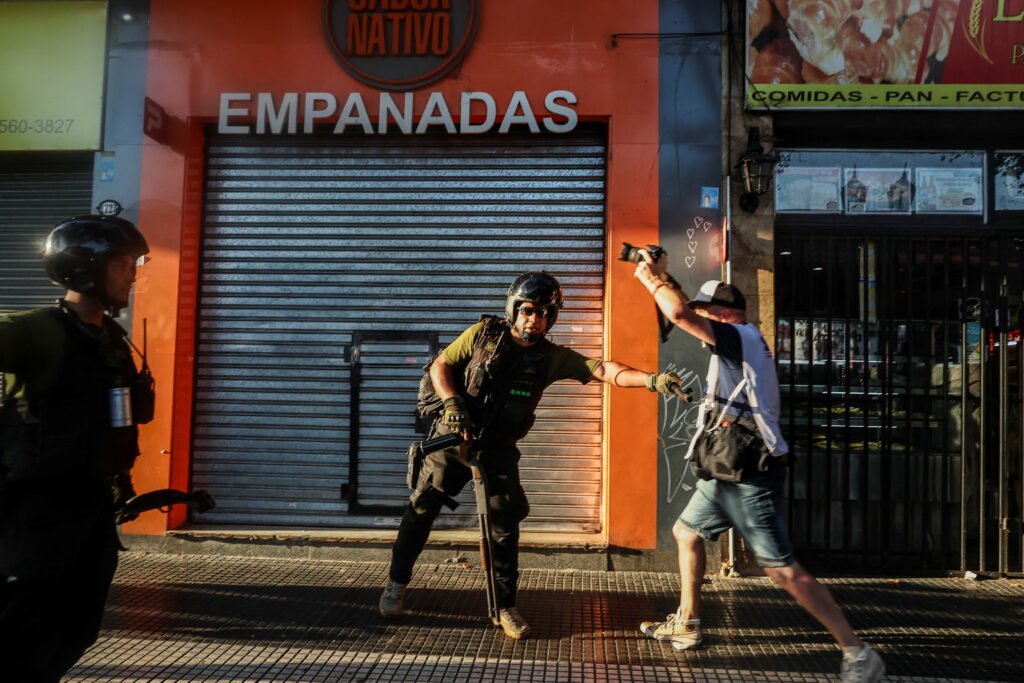
How civil society can counter the rise of legal restrictions across Latin America
New…
Read More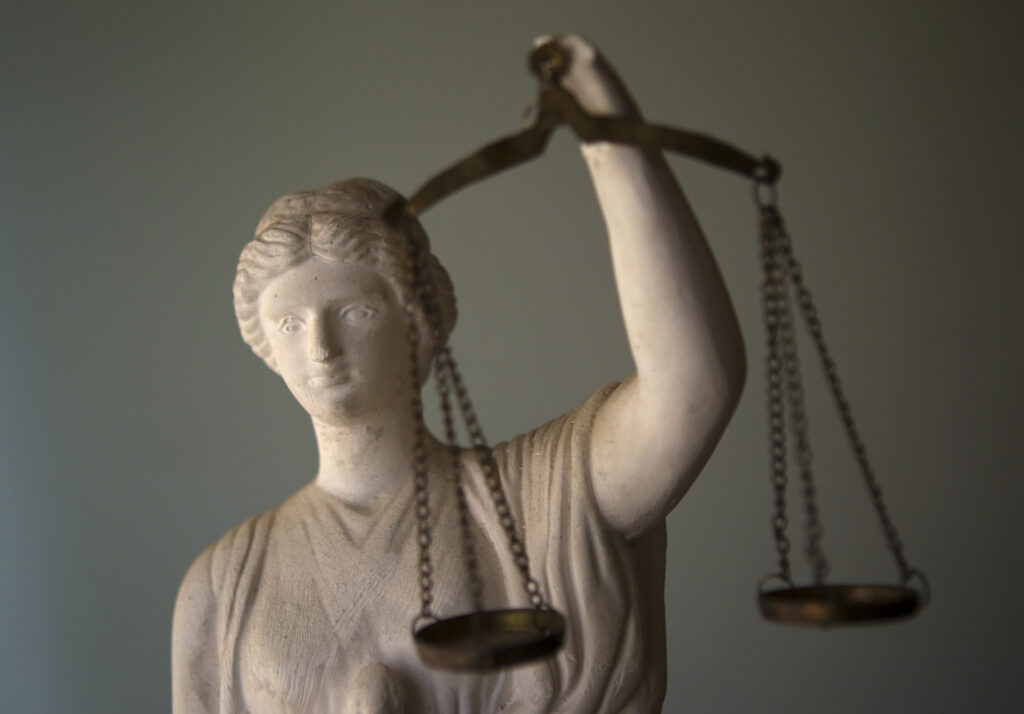
Legal support: a lifeline for civil society and democracy
How democracies become stronger when civil society…
Read More
How upholding workers’ rights builds democratic resilience
How businesses treat their workers…
Read More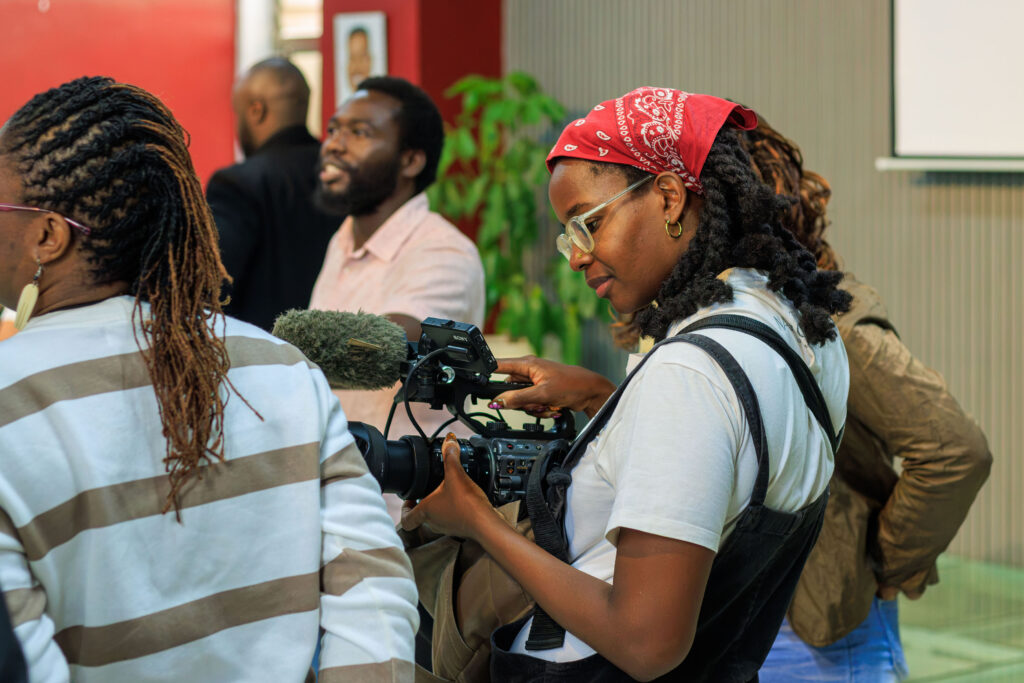
What legal risks do content creators face? 5 key considerations for influencers
Content…
Read More
What the EU’s Procurement shift could mean for workforce disclosure
In the wake of the…
Read More
Why existing support for civil society can’t solve this crisis
Most support wasn’t designed…
Read More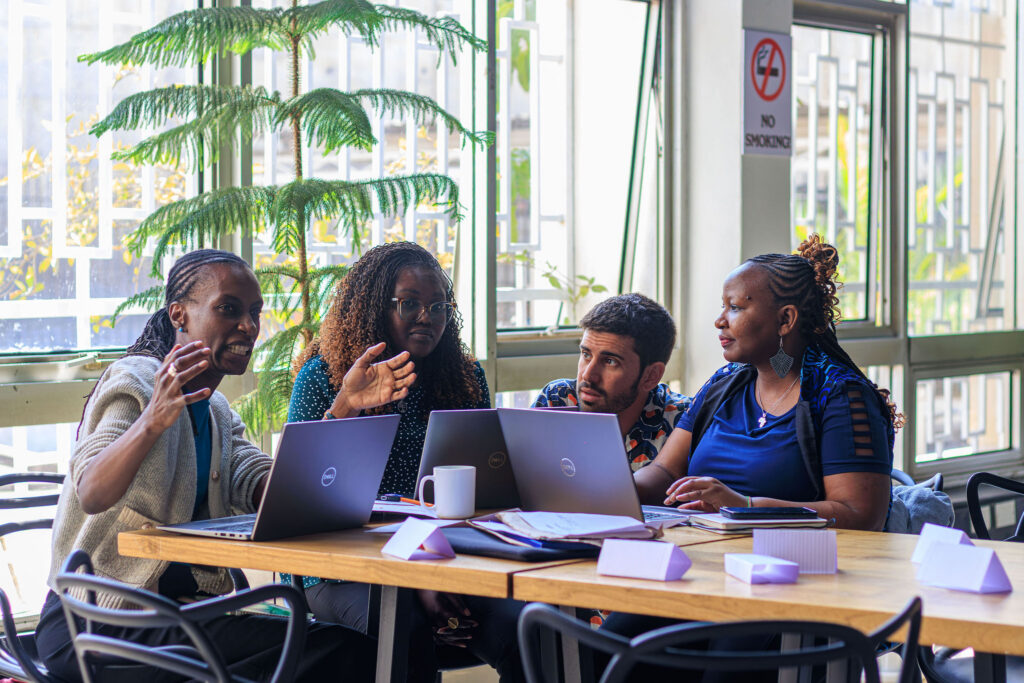
What happens when content creators and journalists come together?
Our Multimedia Editor for Openly,…
Read More
Constitutional protections are not enough to defend press freedom: what our research in South Africa shows
South Africa’s constitutional protections for press freedom are among the strongest on the…
Read More

